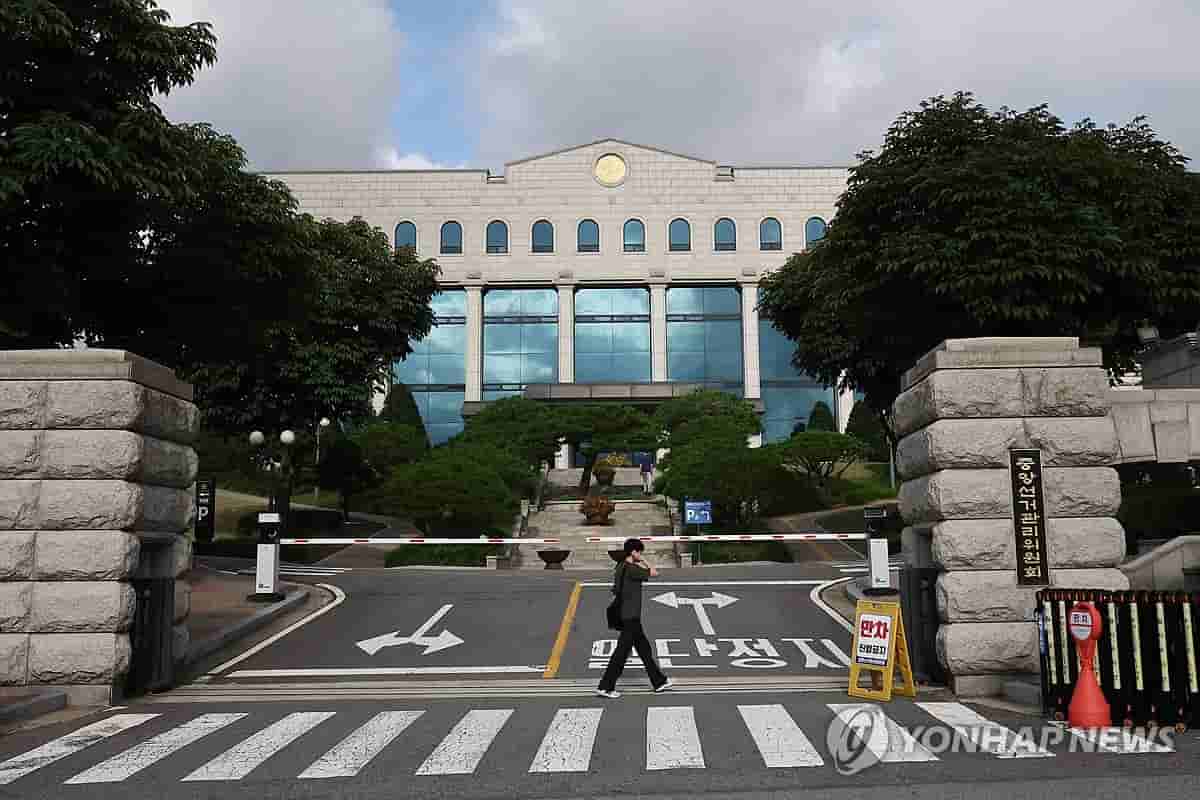
Election data manipulation suspected in South Korea's Gyeonggi Province
window 24h
IN SHORT
South Korea is grappling with two significant political developments. In Gyeonggi Province, election data manipulation is suspected, with patterns suggesting voter turnout rates may have been altered during the recent June 3 local elections, potentially broadening an inquiry into ballot shortages. Meanwhile, the National Assembly is poised to vote on a prosecution reform bill that would curb the direct investigative powers of prosecutors. An opposition filibuster against this legislation is ongoing, but the ruling Democratic Party is anticipated to overcome it and pass the bill.
✉Newsletter
PiQ Daily
Pick your topics. Get only what matters, on your cadence.
Key Numbers
June 3date of local elections
24-hourduration of ongoing filibuster
Who's Involved
South Korea
nation facing election and reform issues
Gyeonggi Province
region where election data manipulation is suspected
Yonhap News Agency
news agency reporting on election manipulation
South Korean National Assembly
legislative body set to vote on reform bill
Democratic Party
ruling party expected to pass reform bill
1 / 2
Key facts
Election data manipulation is suspected in South Korea's Gyeonggi Province.
Patterns suggesting manipulation of voter turnout rates have appeared.
The suspected manipulation occurred during the June 3 local elections.
The investigation into ballot shortages may expand due to these suspicions.
South Korea's National Assembly is set to vote on a prosecution reform bill.
The bill aims to strip prosecutors of their direct investigative powers.
An opposition filibuster against the bill is nearing its 24-hour mark.
The ruling Democratic Party is expected to end the filibuster and pass the bill.
South Korea faces concurrent political challenges involving election integrity and prosecutorial reform. In Gyeonggi Province, suspicions of election data manipulation have emerged following the June 3 local elections. Reports indicate patterns suggesting alterations in voter turnout rates across various polling stations. This development could expand an existing investigation that is already examining issues related to ballot shortages. The extent of the alleged manipulation and its potential impact on election outcomes are under scrutiny.
Concurrently, the South Korean National Assembly is preparing for a critical vote on a prosecution reform bill. This legislation aims to significantly curtail the direct investigative powers traditionally held by the prosecution service. An opposition-led filibuster, a tactic to delay or block the bill's passage, has been ongoing and is approaching the 24-hour mark. Despite this obstruction, the ruling Democratic Party is widely expected to end the filibuster and secure the bill's passage. The reform is a key agenda item for the current administration, signaling a potential shift in the balance of power between the judiciary and law enforcement.
The potential election data manipulation in Gyeonggi Province raises concerns about the fairness and accuracy of the electoral process. Investigations into ballot shortages are already underway, and any findings of deliberate manipulation could have serious implications for public trust in the electoral system. The reform of prosecutorial powers, on the other hand, represents a significant structural change, potentially altering the landscape of criminal investigations and the role of the prosecution in South Korean governance.
↳ Why This Matters
South Korea faces concurrent political challenges involving election integrity and prosecutorial reform. In Gyeonggi Province, suspicions of election data manipulation have emerged following the June 3 local elections. Reports indicate patterns suggesting alterations in voter turnout rates across various polling stations. This development could expand an existing investigation that is already examining issues related to ballot shortages. The extent of the alleged manipulation and its potential impact on election outcomes are under scrutiny.
Frequently asked questions
The main suspicion is that voter turnout rates were manipulated at various polling stations during the June 3 local elections.
Suspicious patterns were observed in Pyeongtaek, Dongducheon, Guri, Yeoju, Seongnam, Ansan, and Goyang, in addition to Gimpo and Uiwang where errors were already identified.
A prosecution-police task force raided the headquarters of the National Election Commission (NEC) and discovered chat messages suggesting collusion to fix voter numbers.
The NEC stated that there were errors in inputting hourly voter numbers in certain districts, and adjustments were made to correct them without changing the total numbers.
What Happens Next
01The prosecution-police task force is expected to continue its investigation into the alleged data manipulation and ballot shortages.
02Further analysis of election data from other regions may be conducted.
03The National Election Commission may implement stricter protocols to prevent future data input errors and ensure transparency.
Get the newsletter.
Pick the topics you actually care about. We'll email when there's news worth your time, on the cadence you choose. Cancel any time from your account.