Key facts
- The Justice Department has canceled a $1.8 billion 'anti-weaponization fund'.
- The fund was intended to compensate individuals claiming wrongful investigation or prosecution.
- The fund originated from a settlement in Donald Trump's lawsuit against the IRS.
- Bipartisan backlash and concerns about potential misuse, particularly regarding January 6th Capitol attack individuals, led to the cancellation.
- Acting Attorney General Todd Blanche confirmed the decision.
- The fund was previously blocked by legislation passed by the Senate.
- Senate Republicans voted against an amendment to permanently eliminate the fund.
- The fund had stalled immigration bill negotiations.
- A federal judge had previously temporarily blocked the fund.
- Former President Donald Trump defended the fund and stated he would consult lawyers.
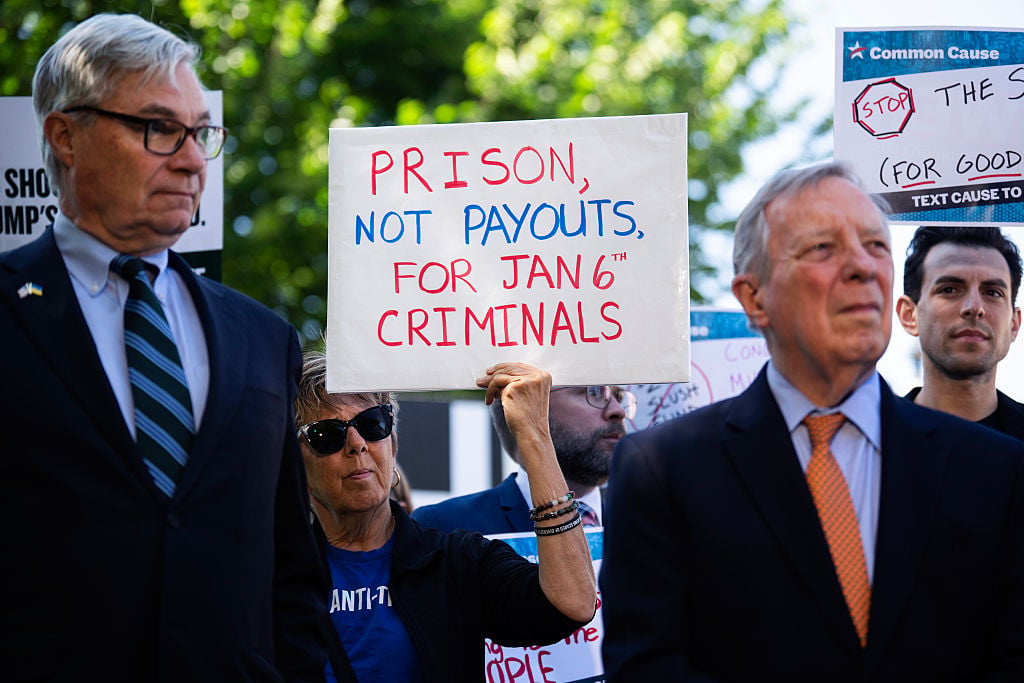
The U.S. Justice Department has officially confirmed the termination of a controversial $1.8 billion 'anti-weaponization fund.' This fund was intended to compensate individuals who claimed wrongful investigation or prosecution. The decision to scrap the initiative followed significant bipartisan backlash and concerns about its potential misuse, particularly by individuals involved in the January 6th Capitol attack. The fund's origins trace back to a settlement in a lawsuit filed by Donald Trump against the IRS.
Acting Attorney General Todd Blanche indicated that there are no plans to move forward with establishing the fund, and a Department of Justice attorney stated in court filings that the proposed compensation program will not be created. Critics had denounced the initiative as a 'slush fund' for President Donald Trump's political allies. The fund had previously stalled immigration bill negotiations and was temporarily blocked by a federal judge. Reports suggest that January 6 rioters had sought the fund for legal costs.
Despite the backlash, Senate Republicans had previously voted against an amendment aimed at permanently eliminating the fund during consideration of a $70 billion immigration enforcement package. This vote exposed divisions within the Republican party ahead of the November elections. Senate Democratic Leader Chuck Schumer had offered an amendment to ban the fund, which had stalled budget reconciliation efforts as Republicans debated their stance. Former President Donald Trump has continued to defend the fund, stating he would consult lawyers regarding its status.