Twenty-two Democratic state attorneys general are challenging proposed U.S. tariffs on imports from 59 countries and the European Union, arguing they are unlawful and will raise consumer costs. Meanwhile, Brazil's instant coffee industry warns a potential 25% tariff could significantly increase prices for American consumers and businesses by disrupting supply chains, as over 90% of its exports go to the U.S. Separately, investor advocates are urging the SEC to maintain quarterly reporting requirements for public companies, emphasizing the importance of timely financial disclosures for investment decisions.
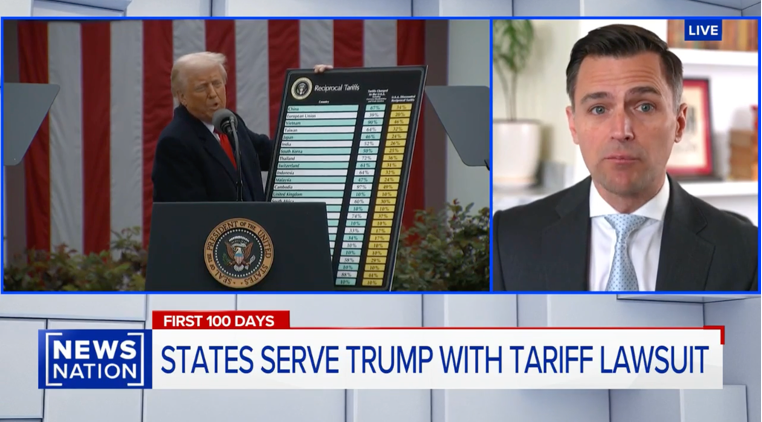
A coalition of twenty-two Democratic state attorneys general has voiced opposition to proposed U.S. tariffs targeting imports from 59 countries and the European Union. The attorneys general contend that these tariffs are unlawful and serve as a pretext for the administration to bypass congressional authority. They also raise concerns that the tariffs will lead to increased costs for consumers.
In parallel, Brazil's instant coffee industry is sounding an alarm regarding a proposed 25% U.S. tariff. Industry representatives warn that such a tariff could substantially increase costs for American businesses and consumers by disrupting the supply of instant coffee. Brazil's exports of instant coffee are heavily reliant on the U.S. market, with over 90% of its exports destined for the United States. This represents more than a fifth of the U.S. import market for instant coffee.
Separately, investor advocates are actively lobbying the U.S. Securities and Exchange Commission (SEC) to reject a proposal that would permit public companies to transition to semiannual financial reporting. These advocates assert that maintaining quarterly reporting is essential for informed investment decisions and effective corporate oversight. They emphasize the critical role of timely and detailed financial disclosures in the market.
While the tariffs are framed by some as measures against forced labor, the attorneys general argue this is a pretext to circumvent Congress. The potential economic impacts on consumers and specific industries, like Brazil's instant coffee sector, are significant concerns. The SEC faces pressure from investor groups to uphold existing reporting standards, highlighting a broader debate about regulatory oversight and market transparency.
A coalition of twenty-two Democratic state attorneys general has voiced opposition to proposed U.S. tariffs targeting imports from 59 countries and the European Union. The attorneys general contend that these tariffs are unlawful and serve as a pretext for the administration to bypass congressional authority. They also raise concerns that the tariffs will lead to increased costs for consumers.