Key facts
- Twenty-two Democratic state attorneys general oppose proposed tariffs on imports from 59 countries and the EU.
- The tariffs are proposed due to concerns over the import of goods produced with forced labor.
- The AGs argue the tariffs are unlawful, will increase consumer costs, and are an abuse of executive power.
- Oregon's AG estimates annual household cost increases of $3,800 due to the tariffs.
- Trading partners like the EU and China have rejected the U.S. findings and opposed the tariffs.
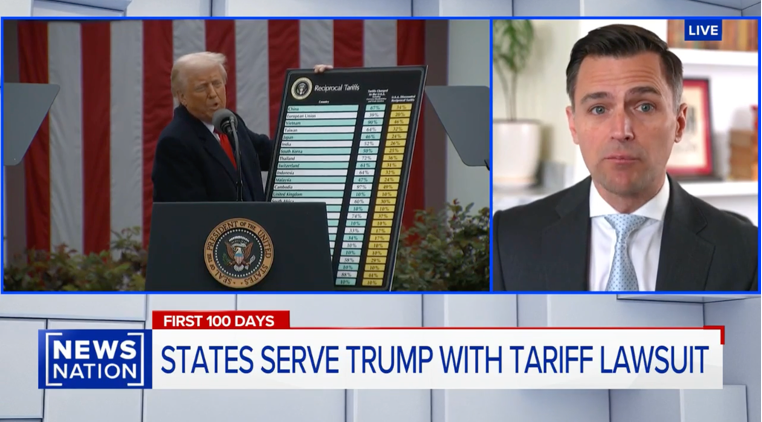
A coalition of 22 Democratic state attorneys general has voiced strong opposition to the Trump administration's proposed tariffs, which could reach up to 12.5% on imports from 59 countries and the European Union. The administration cited concerns over the failure of these nations to prohibit goods produced with forced labor as the basis for the tariffs.
Led by California Attorney General Rob Bonta, the group argues that the proposed levies are unlawful and will exacerbate economic hardship for American consumers by increasing the cost of goods. They contend that the move is a pretext to implement tariffs that were previously invalidated by the U.S. Supreme Court, representing an abuse of executive power and a circumvention of congressional safeguards.
Several attorneys general highlighted the potential economic devastation. Oregon's AG, Dan Rayfield, estimated that the tariffs could lead to an annual increase of $3,800 in household expenses. Delaware's AG, Kathy Jennings, warned of significant impacts on the agricultural sector, potential shortages on grocery shelves, and difficulties in exporting locally produced goods. Nevada's AG, Aaron Ford, projected that Nevada businesses could face $985 million in new costs, which would ultimately be passed on to consumers.
Trading partners have largely rejected the U.S. administration's assertions. The European Union called the tariffs unjustified and reiterated its commitment to existing trade agreements, with a European Parliament official describing the U.S. findings as "utterly absurd." China also opposed the unilateral tariffs and denied any instances of forced labor within its borders. Britain stated it was engaged in discussions with the U.S. and was taking its own measures to combat forced labor.