Key facts
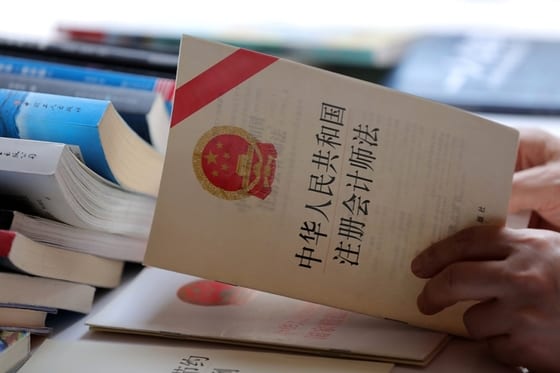
- China will double maximum fines for fraudulent accounting firms.
- China will impose lifetime bans on accountants for intentional crimes.
- China's updated Law on Certified Public Accountants takes effect January 1, 2027.
- China's National Audit Office found 1.08 billion yuan in maternity benefit irregularities.
- The maternity benefit irregularities amount to $160 million.
- Over 1 million individuals were impacted by maternity benefit irregularities.
- Australia will double potential fines for social media platforms regarding underage accounts.
- Australia's maximum fine for social media platforms will reach A$99 million.
- Australia will expand the eSafety Commissioner's powers to demand information.
China is poised to implement stricter regulations for accounting firms, doubling the maximum fines for those issuing fraudulent reports and introducing lifetime bans for accountants found guilty of intentional crimes. These changes, part of an updated Law on Certified Public Accountants, will take effect on January 1, 2027, with the stated goal of enhancing market integrity and boosting investor confidence.
In parallel, China's National Audit Office has identified substantial irregularities totaling 1.08 billion yuan, equivalent to $160 million, within its maternity insurance and subsidy funds. These issues have impacted more than 1 million individuals and encompass a range of problems including administrative failures, corporate withholding of funds, and outright fraud. The audit highlights significant systemic issues in the management and distribution of these crucial benefits.
Meanwhile, Australia is taking a firm stance on child protection on social media platforms. The government plans to double the potential fines for platforms that fail to prevent underage children from holding accounts, with the maximum penalty escalating to A$99 million. Furthermore, the powers of the eSafety Commissioner are being expanded to allow for more robust information demands from both social media platforms and third-party entities, strengthening the Commissioner's ability to enforce regulations and protect young users.