Canada Pitches Critical Minerals Partnership to Japan Amid China Trade Squeeze
window 24h
IN SHORT
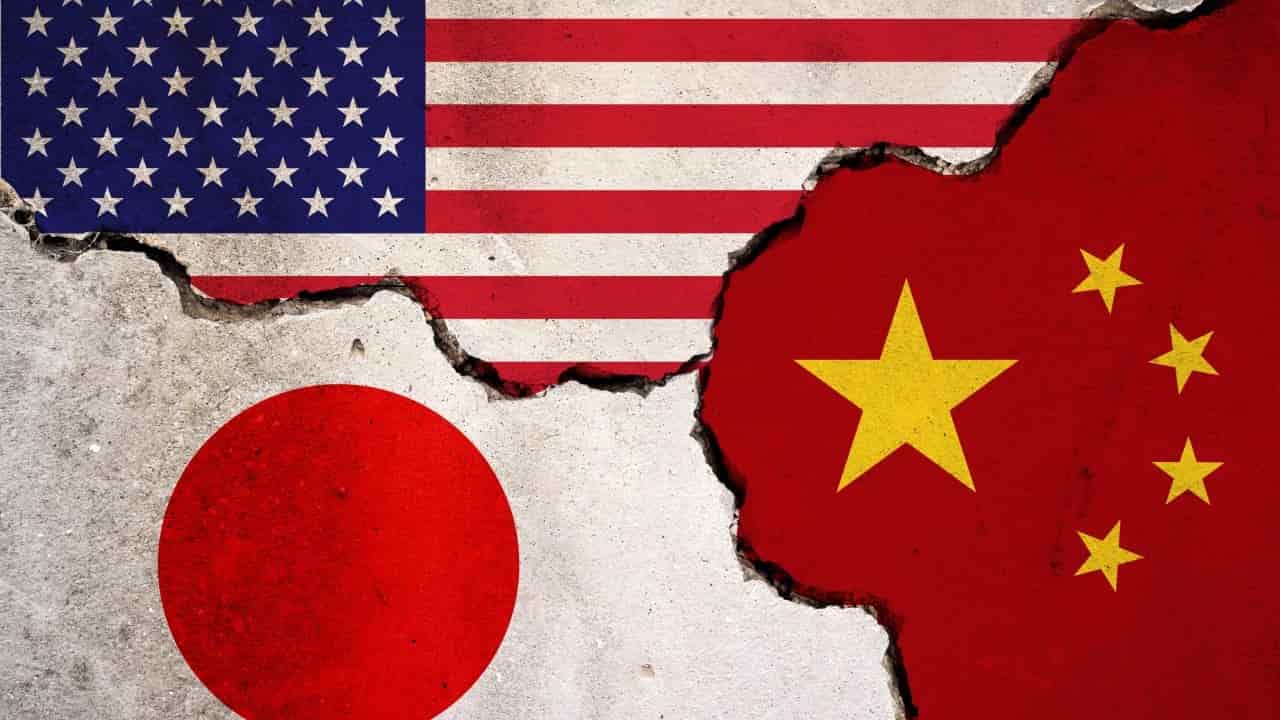
Canada is proposing a critical minerals partnership with Japan to counter China's increasing trade influence and export controls. The initiative offers joint ventures and off-take agreements to reduce Japan's dependence on Chinese resources. Meanwhile, broader US-China relations are being examined through various lenses, including Alibaba's lawsuit against the Pentagon, the state of a rare earth minerals truce, and US arms sales to Taiwan.
✉Newsletter
PiQ Daily
Pick your topics. Get only what matters, on your cadence.
Who's Involved
Canada
nation proposing critical minerals partnership with Japan
Japan
nation seeking to diversify critical minerals supply chains
China
nation whose export controls and trade influence are being countered
United States
nation with complex relations and trade issues with China
Alibaba
company suing the Pentagon
Pentagon
U.S. defense department entity being sued by Alibaba
1 / 2
Key facts
Canada is seeking to deepen its critical minerals supply chain partnership with Japan.
The partnership aims to reduce Japan's reliance on Chinese resources.
Recent Chinese export controls are a factor in this initiative.
Canada is offering joint ventures and off-take agreements to Japan.
US-China relations are being examined through multiple recent reads.
These reads cover Alibaba's lawsuit against the Pentagon.
The status of a rare earth minerals truce is being discussed.
US arms sales to Taiwan are also a topic of analysis.
Canada is actively pursuing a strengthened critical minerals supply chain partnership with Japan. This initiative aims to provide Japan with alternatives to its current reliance on Chinese resources, particularly in light of recent export controls imposed by China. The proposed partnership includes the possibility of joint ventures and off-take agreements, designed to bolster Japan's access to critical minerals and reduce its vulnerability to trade pressures from China.
In parallel, the complex relationship between the United States and China is under scrutiny from multiple perspectives. Recent analyses cover a range of issues, including Alibaba's legal action against the Pentagon. This lawsuit adds another dimension to the ongoing trade and geopolitical tensions between the two nations. The status of a truce concerning rare earth minerals is also a point of examination, suggesting that agreements in this sensitive sector may be subject to change or challenge. Furthermore, the ongoing US policy of arms sales to Taiwan remains a significant factor in US-China relations, representing a persistent point of contention.
These developments highlight the intricate and multifaceted nature of global supply chains and international relations, particularly concerning strategic resources like critical minerals and the geopolitical implications of trade policies and security alliances.
↳ Why This Matters
Canada is actively pursuing a strengthened critical minerals supply chain partnership with Japan. This initiative aims to provide Japan with alternatives to its current reliance on Chinese resources, particularly in light of recent export controls imposed by China. The proposed partnership includes the possibility of joint ventures and off-take agreements, designed to bolster Japan's access to critical minerals and reduce its vulnerability to trade pressures from China.
Frequently asked questions
China has added 20 more Japanese entities, including units of Mitsubishi Electric, Mitsubishi Heavy Industries, and Komatsu, to its export control blacklist.
Canada is offering Japan joint mining ventures, off-take agreements, and shared stockpiles of critical minerals like graphite and gallium as an alternative to Chinese supply.
Japanese and Canadian firms signed over C$1 billion (US$705 million) in deals, with the total haul for the week reaching over $1.7 billion.
Japan is reducing its reliance on Chinese rare earths due to China's leverage and past trade disputes, such as the 2010 rare earth shipment cutoff.
What Happens Next
01Canada and Japan will continue discussions on joint mining ventures and supply agreements.
02Efforts to build Western alternatives to China's critical mineral refining capacity will continue over decades.
03Japan will likely continue to diversify its critical mineral supply chains.
Get the newsletter.
Pick the topics you actually care about. We'll email when there's news worth your time, on the cadence you choose. Cancel any time from your account.