Key facts
- The White House is meeting with law enforcement groups to discuss the Clarity Act.
- The legislation includes protections for crypto developers against being classified as money transmitters.
- The National Sheriffs Association has raised concerns about exemptions for mixers and DeFi.
- The bill aims to provide new tools for pursuing illicit actors in the crypto space.
- Senate leadership is considering bringing the Clarity Act to a vote in July.
- An ethics provision banning government officials from crypto interests is a point of contention.
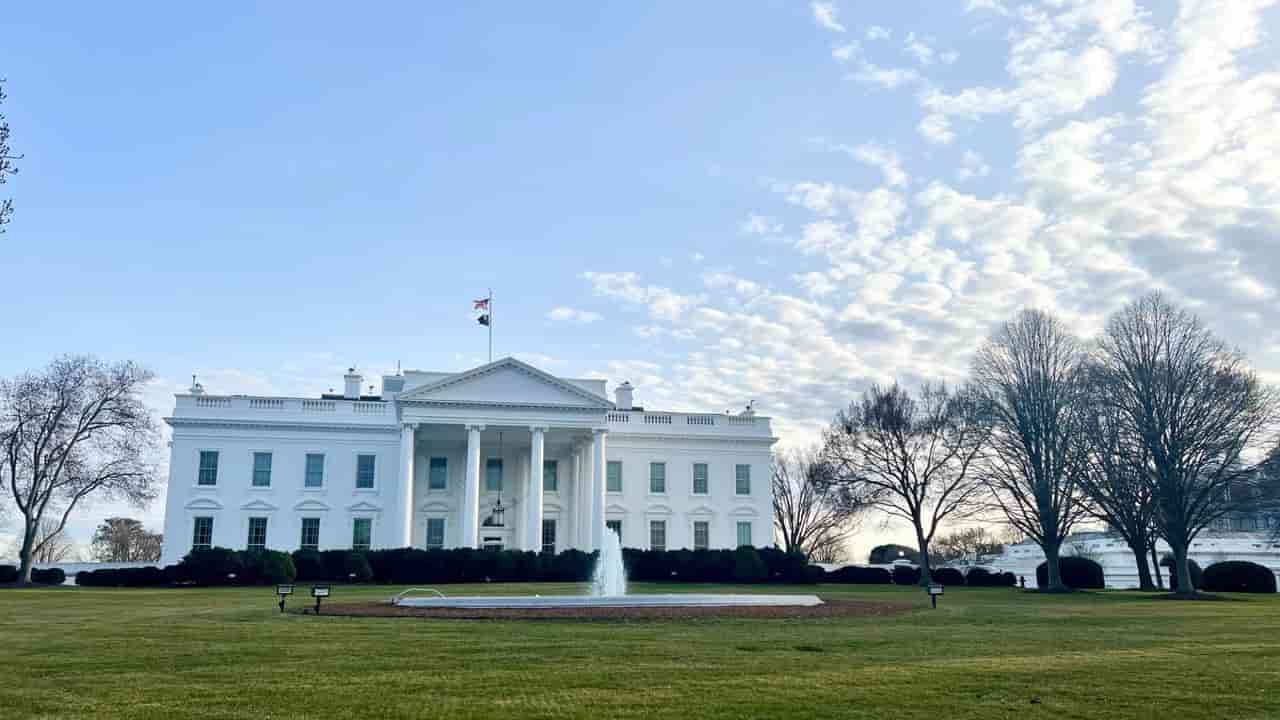
The White House is scheduled to meet with law enforcement organizations to address concerns surrounding the Digital Asset Market Clarity Act, a Senate bill focused on crypto market structure. The meeting aims to resolve objections, particularly regarding Section 604, which seeks to protect software developers from being held legally responsible as "money transmitters." This provision is seen as vital for the continued development of decentralized finance (DeFi) projects.
Groups like the National Sheriffs Association have voiced strong opposition, arguing against blanket exemptions for mixers and DeFi, and stating that while some developers are not money transmitters, many others are. White House officials, including lead crypto adviser Patrick Witt, have been actively working to advance the bill, emphasizing its potential to provide new tools for combating illicit finance and bringing regulatory clarity to the crypto industry.
Conversely, critics like Senator Elizabeth Warren continue to highlight the use of cryptocurrency by criminal groups. Despite ongoing debates over key provisions, Senate leadership, including Majority Leader John Thune and Banking Committee Chairman Tim Scott, is reportedly considering bringing the Clarity Act to a vote in July. However, the bill requires 60 votes to pass, necessitating bipartisan support, and discussions are ongoing regarding other legislative matters, including the BRCA, the Commodity Futures Trading Commission's staffing, and an ethics provision concerning government officials' potential conflicts of interest in the crypto sector.
Separately, President Donald Trump's approach to signing legislation, as demonstrated by his stance on a housing affordability bill, is noted. The housing bill is expected to become law by July 10, regardless of Trump's signature, testing the impact of his resistance to legislation.