Key facts
- The Banshee Labyrinth venue accepted it discriminated against Jewish comedian Philip Simon.
A venue has accepted it discriminated against Jewish comedian Philip Simon when it cancelled his show at last year's Edinburgh Festival Fringe. The venue cited his views on the Gaza conflict, which Simon stated was "just for being Jewish."
The case highlights concerns about discrimination based on perceived political views related to the Israeli-Palestinian conflict and the legal ramifications for venues and organizations.
A venue has accepted that it discriminated against a Jewish comedian when it cancelled his show at last year's Edinburgh Festival Fringe. Stand-up comic Philip Simon had been due to perform a solo show at The Banshee Labyrinth. However, the venue pulled his act over what it said were his views on the conflict in Gaza. In a statement given at the time to industry magazine Chortle, the venue said Mr Simon had expressed views on social media and elsewhere that it said "align with the rhetoric and symbology of groups associated with humanitarian violations".
Responding to the decision on social media, the performer said he had been cancelled "just for being Jewish." He stated: "The reason I was given is that my views concerning the ongoing humanitarian crisis in Palestine… are in significant conflict with our venue's stance against the current Israeli government's policy and actions." He added: "I am still processing the concept that in 2025 I can be cancelled just for being Jewish."
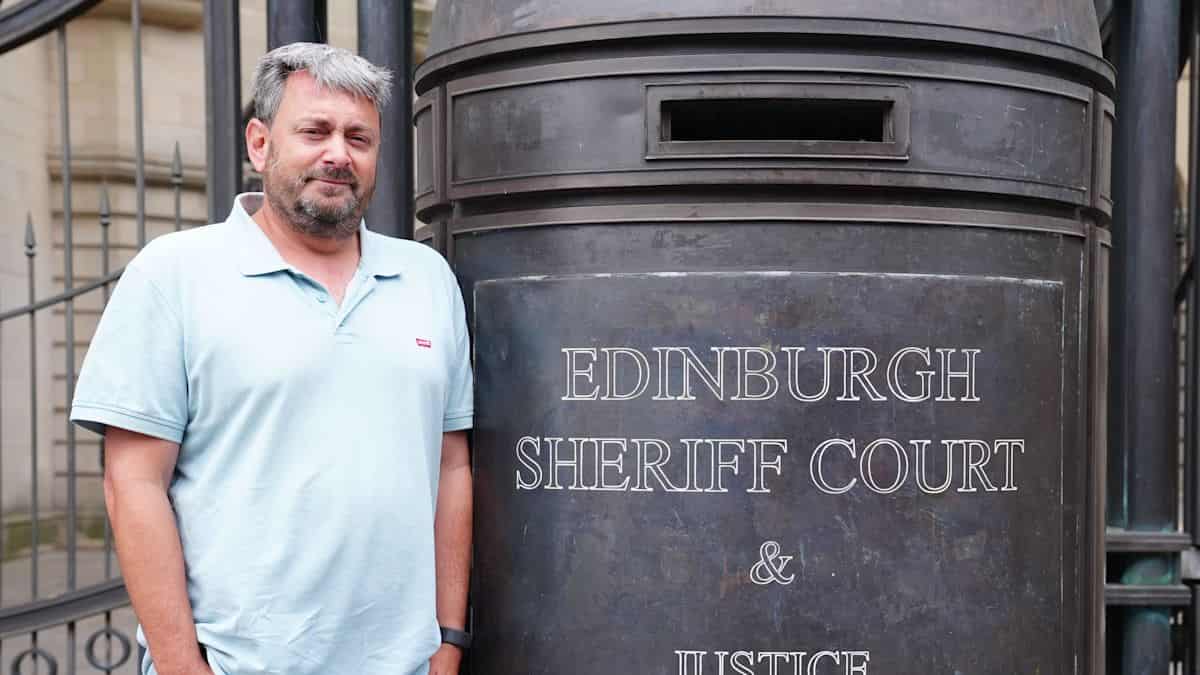
Mr Simon took legal action against the venue's owner, Morrison Bros Ltd, claiming it had discriminated against him on the grounds of "unlawful belief-based discrimination." This culminated in a hearing at Edinburgh Sheriff Court on Monday, where Mr Simon's lawyer, David Welsh, said "on the eve of the hearing" the venue accepted it had acted unlawfully. The lawyer told the court: "The defender conceded that the defender discriminated against the pursuer, contrary to the provisions of the Equalities Act."
Following the defence's concession, Mr Welsh stated that "the whole issue of liability has now been resolved in the pursuer's favour." He was critical of the defender's "conduct" throughout the legal action, saying it had "dragged out proceedings" despite knowing any defence was "untenable," leading to his client incurring "avoidable expenses." Responding, the venue's lawyer, Darren Cox, disputed whether it would have been possible to settle the matter pre-litigation and called for a decision on expenses to be deferred. Judge Sheriff Roderick Flinn told the court: "In this case parties have agreed by joint minute that the defender discriminated against the pursuer, contrary to the provisions of the Equalities Act 2010." He added that the defender had acted "unreasonably" and said expenses relating to preparations for a substantive hearing would be awarded at the higher "solicitor-client" rate. The amount of damages to be awarded to Mr Simon will be determined at a future hearing.