Key facts
- U.S. State Department sanctioned Russian military entities, two companies, and five citizens.
- Sanctions are due to involvement in weapons of mass destruction proliferation concerning Iran, North Korea, and Syria.
- Measures took effect July 24 and are set to last two years.
- U.S. government agencies are barred from purchasing goods or services from sanctioned parties.
- The action follows a Senate vote to advance a bipartisan Russia sanctions bill.
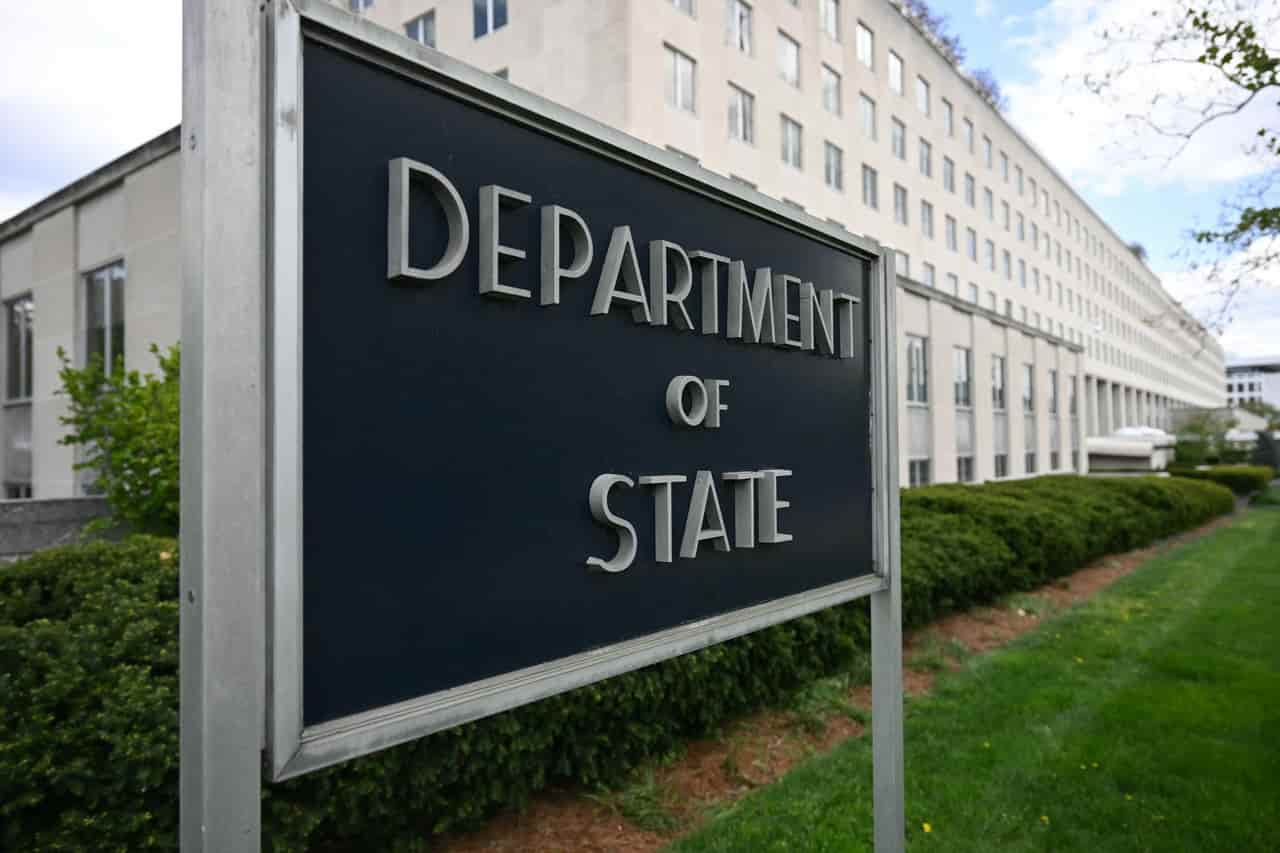
The United States has imposed sanctions on several Russian military entities, two Russian companies, and five Russian citizens, according to a notice published by the State Department on August 4. The measures target specific directorates and support centers within the Russian military, including the Main Missile and Artillery Directorate and the 1061st Material-Technical Support Center.
The sanctions also extend to any successors, subdivisions, or subsidiaries of these listed entities. The sanctioned companies are International Invest Company and Gedion Alpha Company. The individuals targeted are Alexander Prikhodko, Andrei Gusev, Andrei Kosolapov, Vladislav Morozik, and Sergei Tsibarev.
According to the State Department, these individuals and entities engaged in activities that violated U.S. legislation on the nonproliferation of weapons of mass destruction, specifically concerning Iran, North Korea, and Syria. The sanctions officially took effect on July 24 and are slated to remain in force for two years, unless the State Department decides to lift them earlier.
Under the new measures, U.S. government agencies are prohibited from purchasing goods or services from the sanctioned entities, providing them with any form of assistance, or selling them weapons. This announcement comes shortly after the U.S. Senate voted on July 28 to advance a bipartisan Russia sanctions bill. The legislation, recently revised, aims to reduce Russia's energy revenues through tariffs and other measures targeting countries that continue to purchase Russian oil and gas. At the request of President Donald Trump, the revised bill also includes provisions for sanctions against Iran, a known ally of Russia. However, the legislation has not yet been enacted into law and requires approval from both the Senate and the House of Representatives.