Key facts
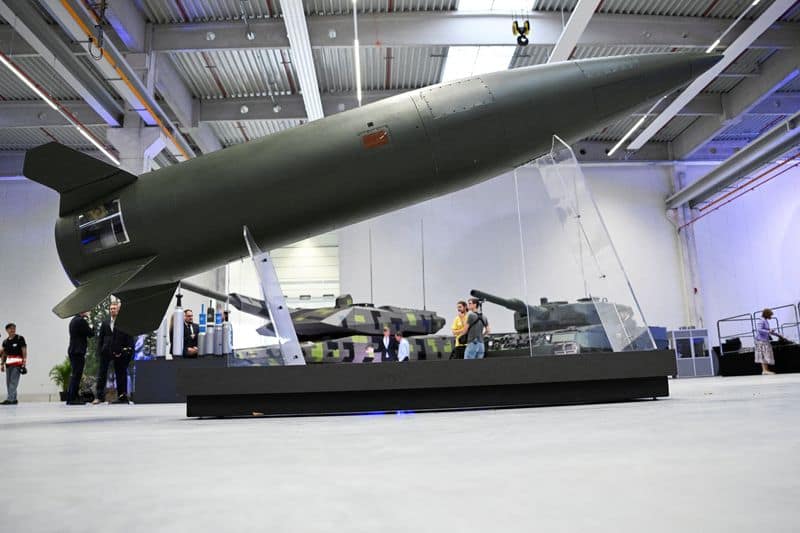
- The U.S. Army has used virtually all of its ATACMS and Precision Strike Missiles (PrSM) during the five-month war with Iran.
- The drawdown of these long-range munitions raises concerns about U.S. military readiness and its ability to deter adversaries like Russia and China.
- The U.S. has also expended a significant portion of its Patriot interceptors, THAAD interceptors, and Tomahawk cruise missiles.
- President Donald Trump stated that the U.S. possesses more than sufficient munitions and that defense companies are increasing production.
- Analysts caution that current production levels may not be adequate for a prolonged conflict.
The U.S. Army has significantly depleted its stockpile of highly accurate long-range missiles, including Army Tactical Missile Systems (ATACMS) and Precision Strike Missiles (PrSM), during its five-month war with Iran. Sources familiar with the data indicate that "virtually all" of these weapons have been used, a development not previously reported. These munitions are crucial for striking targets from a safe distance and are considered vital for potential conflicts with adversaries like China. The drawdown also extends to other key defensive weapons, with reports suggesting substantial expenditures of Patriot and THAAD interceptors, as well as Tomahawk cruise missiles. Analysts acknowledge that while defense companies are increasing production of certain munitions to record levels, these supplies may still fall short of what is required for a prolonged conflict. President Donald Trump has asserted that the U.S. possesses an abundance of munitions and is expanding production, while the Pentagon maintains the military has all it needs. However, internal discussions within the administration highlight concerns about continuing strikes against Iran without drawing down stockpiles to levels that could impair the U.S. ability to respond to other global crises.