The U.S. is providing doses of an experimental antibody drug, MBP134, for clinical trials to combat the Ebola outbreak in the Democratic Republic of Congo. This marks the first time the U.S. government has directly supported trials of the Mapp Biopharmaceutical treatment.

The U.S. provision of experimental Ebola treatments for clinical trials in Congo is critical for advancing potential therapies against a deadly outbreak, potentially leading to future regulatory approval and broader access to life-saving medication.
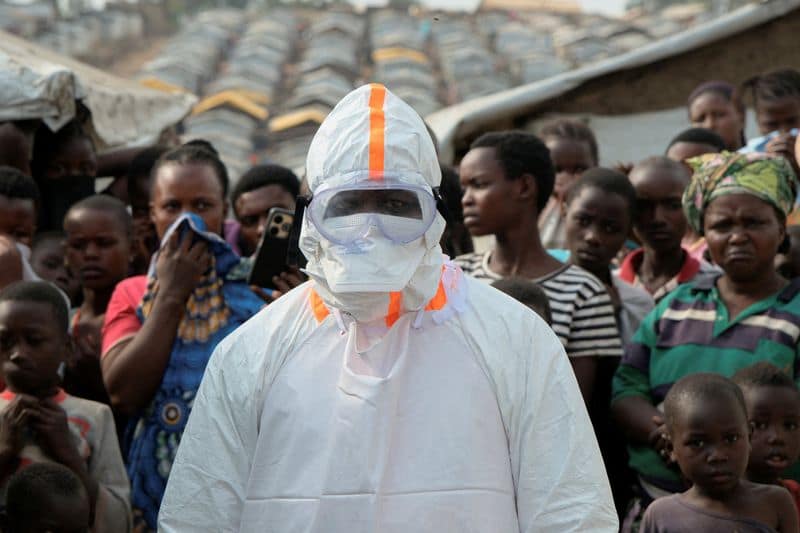
The United States has provided doses of an experimental antibody drug, MBP134, developed by Mapp Biopharmaceutical, for use in clinical trials to combat the ongoing Ebola outbreak in the Democratic Republic of Congo. This initiative marks the first instance of direct U.S. government support for trials of this specific treatment, which is intended for the Bundibugyo strain of Ebola that has resulted in over 1,000 cases and 250 deaths in Congo, with additional cases reported in neighboring Uganda.
Doses of MBP134, along with other therapeutics, are currently being shipped, and the World Health Organization is collaborating with health partners to prepare for patient enrollment in trial facilities. The data gathered from these trials could be crucial for future regulatory review and potential U.S. approval of the drug. While there are no approved treatments for this strain of Ebola, trials for MBP134 and two antivirals from Gilead Sciences are slated to begin in the coming weeks. Vaccine trials are expected to follow, with early-stage testing potentially commencing in July, though likely not in Congo.
Conducting clinical trials in a challenging region affected by conflict, with difficulties in testing, contact tracing, and potential mistrust of health workers, presents significant hurdles. Global health officials emphasize the importance of addressing these issues to ensure patient access to effective drugs post-trial. The Mapp drug will be tested independently and in combination with Gilead's remdesivir. Another Gilead antiviral, obeldesivir, will also be tested as a preventive option. Ethics committees and regulators in Congo and Uganda are currently reviewing the trial protocols for these treatments, which have previously shown safety but not yet proven efficacy against the Bundibugyo strain.