Key facts
- Citigroup and JPMorgan Chase will help finance Japan's $550 billion investment package in the U.S.
- Japanese banks have expressed reluctance to participate due to the high cost of securing U.S. dollars.
- The investment plan aims to secure U.S. tariffs of 15% on most Japanese exports.
- Two batches of projects worth over $100 billion have been announced so far.
- The first batch of investments, totaling $2.2 billion, includes an oil export facility, an industrial diamond plant, and a power plant.
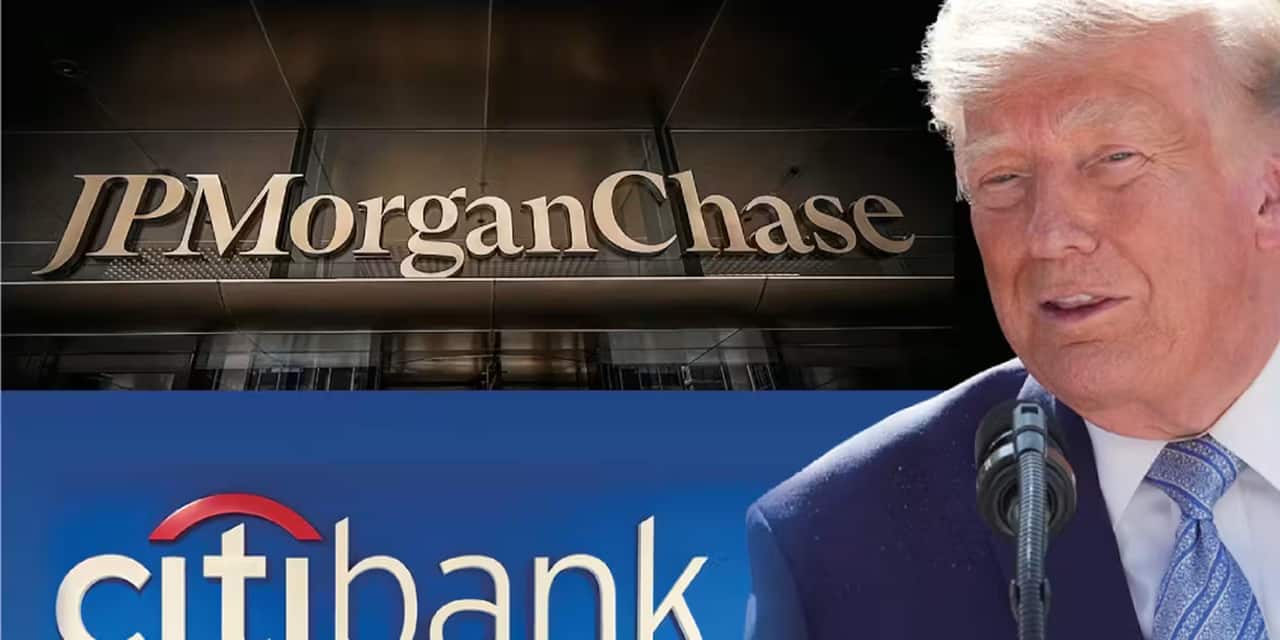
Citigroup and JPMorgan Chase are poised to help finance Japan's substantial $550 billion investment package in the United States, according to sources familiar with the matter. This move aims to secure the necessary capital for a series of power projects and other infrastructure initiatives.
Japanese banks have reportedly shown reluctance to fully participate in the funding due to the significant costs associated with obtaining large amounts of U.S. dollars for long-term projects, given the interest rate gap between the two countries and currency hedging expenses. The Japan Bank for International Cooperation (JBIC) is providing about one-third of the financing for the initial projects, with the remainder co-financed by Japanese megabanks like Mitsubishi UFJ Financial Group, Sumitomo Mitsui Financial Group, and Mizuho Financial Group.
The investment scheme is partly a result of negotiations to avoid steep U.S. tariffs on Japanese exports. Japan has already announced two sets of projects valued at over $100 billion, with a third batch under consideration. The first batch, which received $2.2 billion in financing, includes an oil export facility in Texas, an industrial diamond plant in Georgia, and a natural gas-fired power plant in Ohio. Subsequent projects include plans for small modular nuclear reactors and additional natural gas facilities.
U.S. President Donald Trump had previously threatened 25% tariffs on most Japanese exports, but the deal secured a 15% tariff rate. Tokyo is keen to demonstrate progress on its investment pledges, especially after a similar threat was made and later retracted regarding South Korea's trade commitments.