Key facts
- UNDP Administrator Alexander De Croo advocates for development to be seen as an investment creating markets.
- He stated that emerging economies need capital and that funding nations can pursue their own interests, citing China's Belt and Road Initiative.
- De Croo highlighted the global challenge of 1.1 billion people living in multidimensional poverty.
- He emphasized the need for international cooperation and pragmatic action to address complex global development challenges.
- The UNDP has a long-standing partnership with China on poverty reduction initiatives.
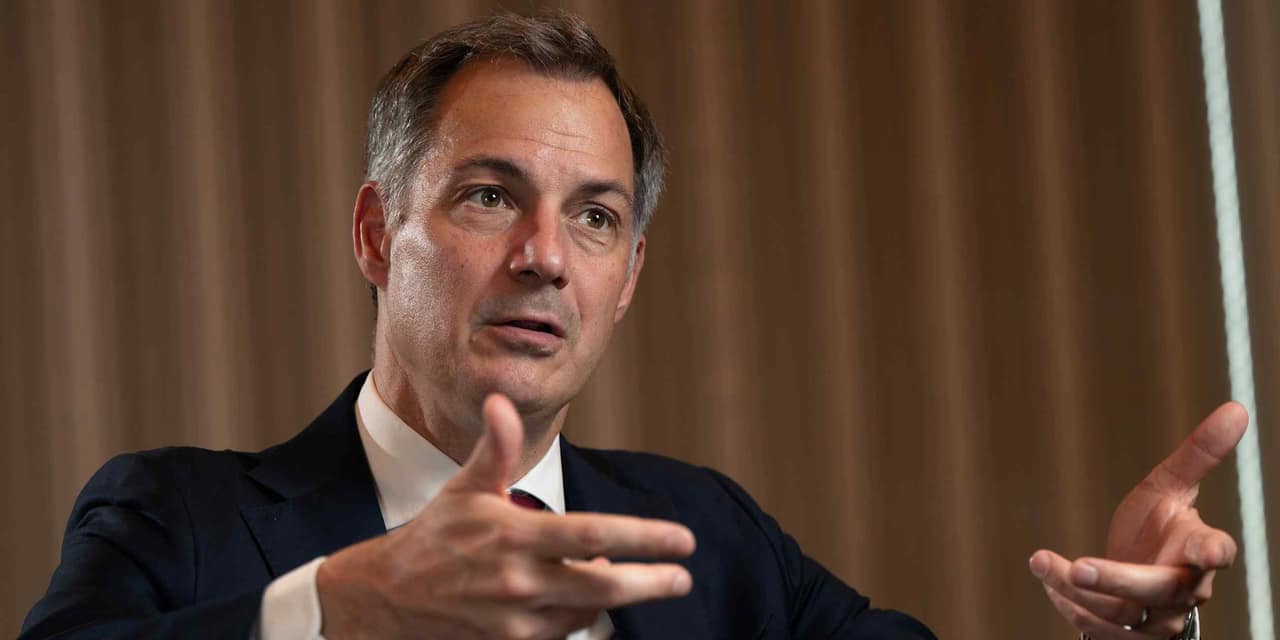
Alexander De Croo, the administrator of the United Nations Development Programme (UNDP), has articulated a vision where international development is framed as an investment rather than mere aid, emphasizing that it should create markets and benefit all parties involved, including major economies like China.
Speaking at the Global Poverty Reduction and Development Forum in China, De Croo argued that emerging economies require capital to address complex global challenges, and that nations providing these funds are justified in pursuing their own strategic interests, such as China's Belt and Road Initiative. He noted that 1.1 billion people across 109 countries are living in multidimensional poverty, with nearly 890 million facing compounding burdens of poverty and severe climate hazards, and that 75 percent of global extreme poverty is concentrated in rural areas.
De Croo highlighted the increasing complexity of global development challenges, including climate change, economic uncertainty, conflict, debt pressures, food insecurity, and widening inequalities. He stressed the critical need for enhanced international solidarity, pragmatic cooperation, and practical platforms that facilitate mutual learning and collaboration among nations. The UNDP has a history of partnership with China on poverty reduction efforts, dating back to 1979 and including support for the International Poverty Reduction Center in China established in 2005.
The UNDP head underscored that financing for development remains central to global poverty reduction, especially as developing countries face widening SDG financing gaps. He called for mobilizing greater public and private investment, alongside innovation and partnership, to address these urgent needs.