Key facts
- The UN Secretary-General, though lacking direct enforcement power, plays a vital role in mediation and crisis response.
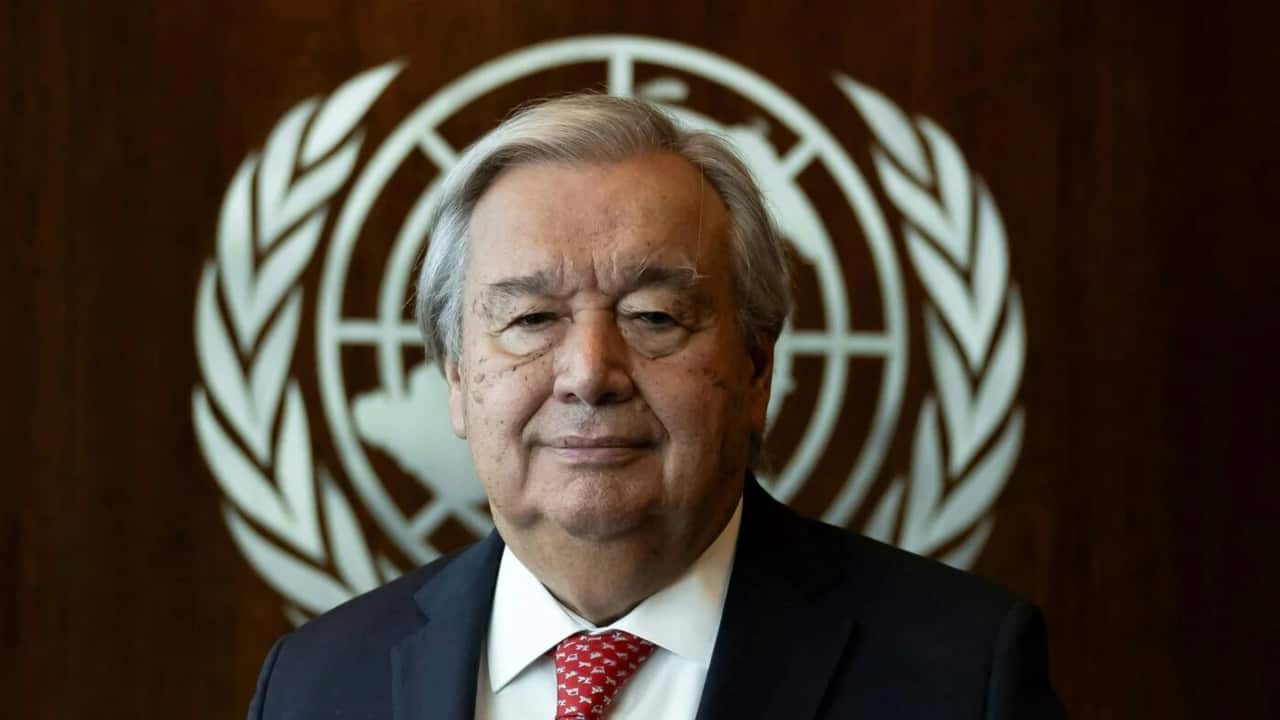
- The current Secretary-General, Antonio Guterres, completes his second five-year term on December 31.
- The UN Charter designates the Secretary-General as the chief administrative officer, but the role has expanded politically.
- Article 99 of the UN Charter grants the Secretary-General the power to bring threats to international peace to the Security Council's attention.
- Key duties include mediating disputes, leading the organization's voice, administering the Secretariat, and warning the Security Council.
- Informal selection criteria include regional rotation and the exclusion of candidates from permanent Security Council member states.
- A candidate must secure the approval of all 15 Security Council members, including the veto power of the five permanent members.
The role of the United Nations Secretary-General, while not commanding armies or governing nations, is a pivotal position on the global stage, instrumental in averting conflicts, shaping peace agreements, and coordinating responses to humanitarian crises. The current incumbent, Antonio Guterres, will conclude his second five-year term on December 31, paving the way for the 10th Secretary-General to assume office the following day.
The UN Charter outlines the Secretary-General as the "chief administrative officer" of the Secretariat. However, over time, the office has evolved into a significant political force. Successors to the first Secretary-General, Trygve Lie, such as Dag Hammarskjold, expanded the role through "preventive diplomacy" and the use of "good offices" to mediate disputes, particularly when major powers were divided. Article 99 of the Charter grants the Secretary-General the unique power to bring matters threatening international peace and security to the attention of the Security Council, though this power has been invoked sparingly.
Throughout history, Secretaries-General have engaged in critical diplomatic efforts. U Thant played a role in the Cuban Missile Crisis, Kurt Waldheim pursued shuttle diplomacy in the Middle East, Javier Perez de Cuellar mediated the Iran-Iraq War, and Kofi Annan secured access for weapons inspectors in Iraq. More recently, Guterres invoked Article 99 concerning the war in Gaza, highlighting the enduring relevance of this power.
The selection process for the Secretary-General is governed by informal, yet consistently applied, rules. These include a principle of regional rotation, ensuring representation from different global areas, and a long-standing practice of not selecting nationals from the five permanent members of the Security Council (US, UK, France, China, Russia). Ultimately, a candidate must gain the approval of all 15 Security Council members, with each permanent member holding veto power. This was notably demonstrated when the US vetoed a second term for Boutros Boutros-Ghali in 1996.