Key facts
- ICC member states will vote on dismissing chief prosecutor Karim Khan.
- Khan's lawyers were denied accreditation to attend the vote and present a defense.
- The vote is based on allegations of an inappropriate sexual relationship with a complainant.
- A UN investigation concluded no misconduct, but this finding was disregarded by some bureau members.
- The ASP bureau altered the voting process to lower the threshold for removal.
- US Secretary of State Marco Rubio has threatened to 'dismantle the ICC'.
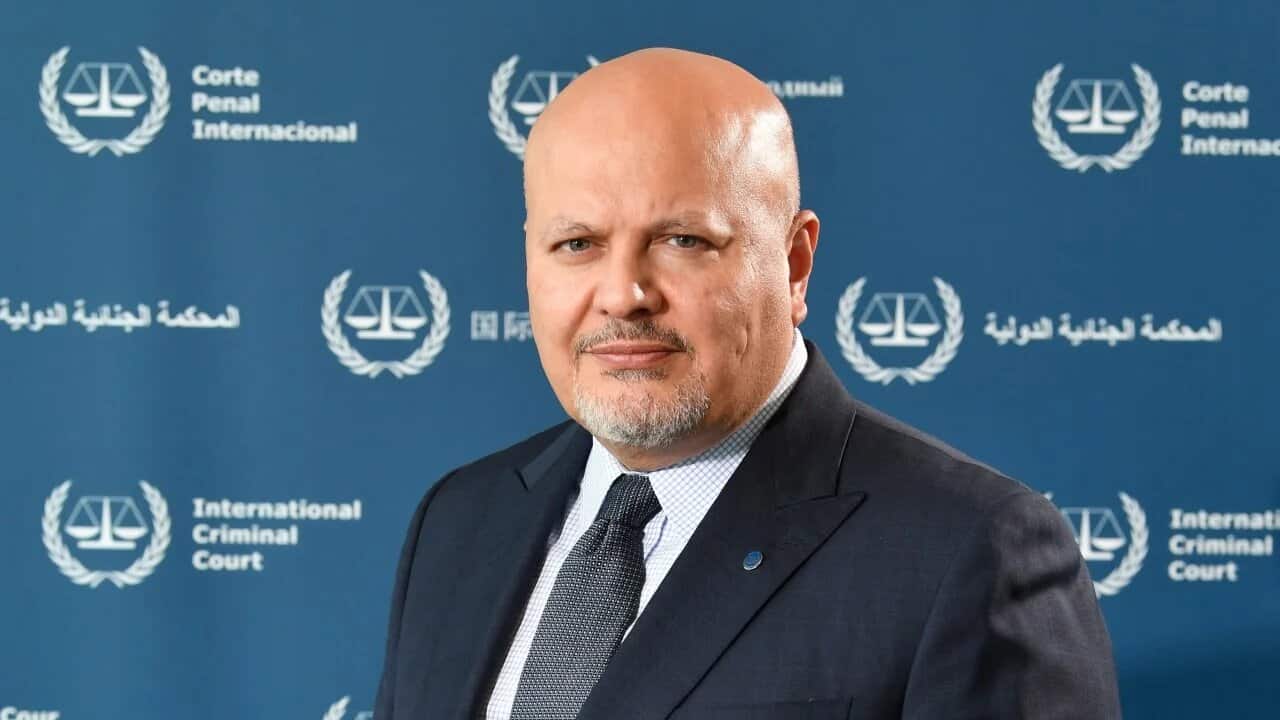
Member states of the International Criminal Court (ICC) are scheduled to convene at the United Nations headquarters in New York for a vote that could lead to the dismissal of chief prosecutor Karim Khan. This marks the first time in the ICC's 24-year history that member states will vote on removing a sitting chief prosecutor.
The Assembly of States Parties (ASP), comprising the court's 125 members, will conduct a secret ballot, requiring an absolute majority of 63 states to remove Khan. Khan's legal team has stated they were denied accreditation to attend the session and present a defense, asserting that all formal channels to address the assembly have been closed. His lawyers expressed dismay, noting that no fair legal system bars a person facing such severe professional sanctions from being heard.
The vote centers on a finding by the ASP bureau that Khan engaged in an inappropriate sexual relationship with a complainant, citing a power imbalance. Khan denies any sexual relationship, while the complainant alleges non-consensual conduct. An external investigation by the UN's Office of Internal Oversight Services (OIOS) looked into these allegations and three claims of retaliation by Khan. A three-judge panel reviewed the OIOS report and concluded that it failed to establish any misconduct or breach of duty.
The process leading to Friday's vote has drawn criticism, with concerns that it has become politicized. This is particularly after a majority of bureau members reportedly disregarded the judges' panel opinion that found no wrongdoing. The vote follows threats from US Secretary of State Marco Rubio to "dismantle the ICC" and sanctions imposed by the US on ICC judges and prosecutors over their work on Palestine and Afghanistan war crimes investigations. Josep Borrell, former EU foreign policy chief, accused the ASP of holding a "political vote" rather than upholding judicial findings.
The complaint against Khan includes allegations of sexual assault occurring over nearly a year, beginning in March 2023. Khan's decision to seek arrest warrants for Israeli and Hamas leaders in May 2024 has been suggested by some media reports as a move to gain support amidst the allegations against him. However, an investigation suggests the warrant application was made six weeks before the harassment allegations surfaced.