All NewsEducationTV
Equities & FundsCrypto & Digital AssetsAI & TechnologyBusiness & CorporateUS Politics & PolicyGeopolitics & Global RiskMacro, Rates & FXCommodities & EnergyEuropean Politics & MarketsAsia-PacificReal Estate & Property
Story archiveAll categories
← All Stories

Ukraine uses legal mechanisms to pressure anti-corruption activists

Created at 3 Aug · 6:36 PM1 source↑ Market-relevant
IN SHORT

Ukraine is facing a systematic use of legal mechanisms to undermine civil society and anti-corruption institutions. Whistleblowers are ceasing cooperation due to safety concerns, leading to disruptions in investigations. This practice poses a threat to the rule of law and Ukraine's democratic future.

✉Newsletter

PiQ Daily

Pick your topics. Get only what matters, on your cadence.

Key Numbers

29cases of pressure on anti-corruption activists
28criminal proceedings initiated against activists
24cases involving arbitrary searches
19searches took place simultaneously on July 21
5months in Kyiv detention center for two detectives

Who's Involved

Mykhailo Fedorov
Defense Minister whose dismissal was protested
NABU
National Anti-Corruption Bureau of Ukraine, targeted by pressure
SAPO
Specialized Anti-Corruption Prosecutor's Office, targeted by pressure
ZMINA
Human Rights Center, documented pressure on activists
Yevhen Tokar
Head of NABU Detective Unit, subject of a search
Ruslan Mahamedrasulov
NABU detective detained and imprisoned
Viktor Husarov
NABU detective detained and imprisoned
Oleksii Chernyshov
Justice Minister, issued notice of suspicion in 'Midas' case
Herman Halushchenko
Former energy minister, issued notice of suspicion in 'Midas' case
Andriy Yermak
Former head of Presidential Office, issued notice of suspicion in 'Midas' case
Semen Kryvonos
Director of NABU, commented on lack of convictions
Ukraine uses legal mechanisms to pressure anti-corruption activists

↳ Why This Matters

The systematic use of legal mechanisms to pressure anti-corruption activists and institutions in Ukraine threatens the rule of law, democratic development, and the country's European integration prospects. It risks undermining the fight against corruption and weakening independent oversight.

Key facts

  • Ukraine is experiencing a systematic use of legal mechanisms to pressure anti-corruption activists and institutions.
  • 29 cases of pressure on anti-corruption activists were documented from the second half of 2025 through 2026.
  • 28 criminal proceedings were initiated against activists, including charges of high treason.
  • Arbitrary searches were conducted in 24 cases, with 19 occurring simultaneously on July 21.
  • The use of these formally lawful mechanisms is seen as a direct threat to the rule of law and democratic development.

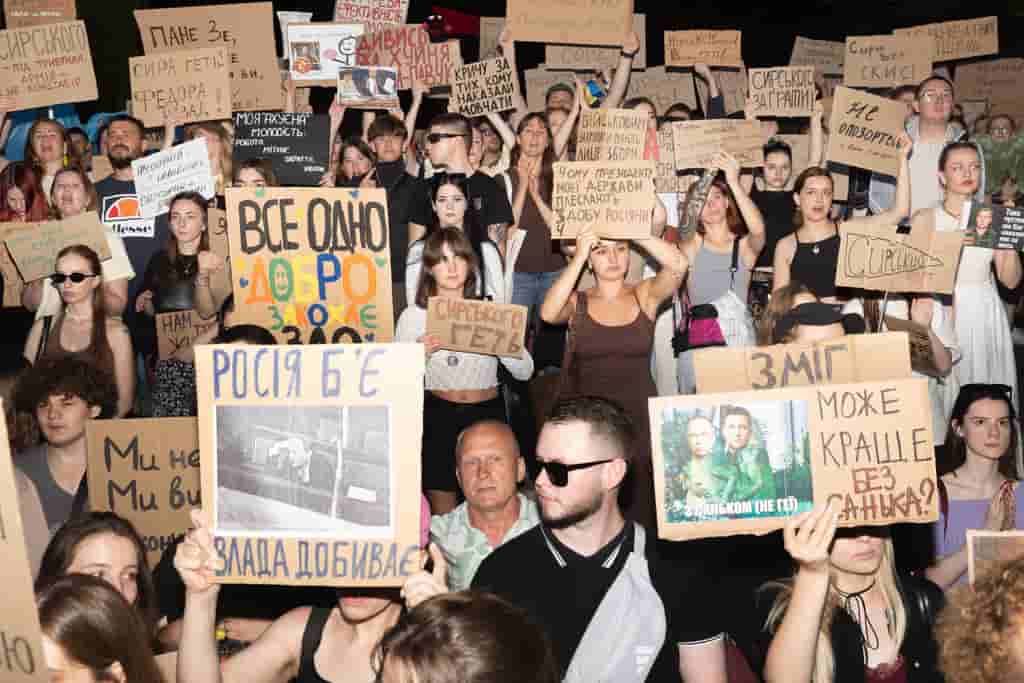
Protests in Ukraine, initially seen as a sign of a functioning democracy, are now viewed as symptoms of a more concerning trend: the systematic use of legal mechanisms to suppress civil society and anti-corruption efforts. While public outcry can force policy reversals, pressure often shifts to less visible, more insidious forms.

Recent analysis highlights a coordinated effort involving criminal procedural, administrative, political, and informational tactics targeting those exposing high-level corruption. This has led to whistleblowers suspending cooperation due to safety fears, potentially disrupting investigations and evidence gathering by institutions like NABU and SAPO.

From the latter half of 2025 through 2026, ZMINA documented 29 instances of pressure on anti-corruption activists. These included 28 criminal proceedings, some under serious charges like high treason, and 24 arbitrary searches, many conducted urgently and simultaneously. The investigations leading to these searches were sometimes initiated only weeks prior or had been dormant for years.

One notable case involved the early morning home search of Yevhen Tokar, head of NABU's Detective Unit, by eight armed officers. His wife and daughter's devices were seized under duress. Two other NABU detectives, Ruslan Mahamedrasulov and Viktor Husarov, were detained and held for five months in poor conditions.

These actions, while appearing to use lawful procedures, are seen as violations of human rights and pose a significant threat to the rule of law, Ukraine's democratic development, and its European integration path. The 'Midas' case, for instance, saw notices of suspicion issued against high-ranking officials, including the current Justice Minister and former Presidential Office head.

Despite these pressures and accusations, including charges of high treason against NABU detectives, no convictions have been secured. Meanwhile, those allegedly behind the pressure campaigns have reportedly faced no repercussions and even received promotions. The normalization of using legal tools to instill fear and discredit anti-corruption efforts risks transforming these institutions into mere formal components of the system, stripped of their independence.

Frequently asked questions

The main concern is the systematic use of ostensibly legal mechanisms, such as criminal proceedings and searches, to pressure and undermine civil society and anti-corruption institutions.

ZMINA documented 29 cases of pressure on anti-corruption activists from the second half of 2025 through 2026.

Charges have included serious offenses under the Criminal Code of Ukraine, such as high treason and aiding the aggressor state.

Whistleblowers are suspending cooperation due to safety concerns, leading to potential systemic disruptions, delays in investigations, and loss of evidence.

What Happens Next

01Ukraine needs a state policy to protect anti-corruption and human rights workers.
02A mechanism to respond to incidents of pressure should be established.
03Responsible authorities should be designated for implementing protective measures.
04Periodic public reporting on the implementation of protective policies is required.

Get the newsletter.

Pick the topics you actually care about. We'll email when there's news worth your time, on the cadence you choose. Cancel any time from your account.

Cadence

How It Developed

Thousands protested a new law subordinating anti-corruption watchdogs NABU and SAPO to the Prosecutor General.
The government reversed the law after public outcry.
A wave of interconnected measures targeted individuals and institutions exposing high-level corruption.
Some whistleblowers suspended cooperation with anti-corruption authorities due to safety concerns.
ZMINA documented 29 cases of pressure on anti-corruption activists from the second half of 2025 through 2026.
criminal proceedings were initiated against activists, their relatives, and witnesses, including charges of high treason.
cases involved arbitrary searches, with 19 occurring simultaneously on the morning of July 21.
NABU Detective Unit Head Yevhen Tokar recounted an early morning search of his home.

Sources

T1
Beyond the protests — How legal mechanisms became tools of pressureThe Kyiv Independent

Related Stories

Ukraine sought Patriot missile production licenses nearly two years ago, officials say
3 Aug · 5:46 PM
Anti-war politician Boris Nadezhdin says he is now outside Russia
3 Aug · 11:42 AM
Tunisian Islamist movement Ennahda prepares for return amid crackdown
3 Aug · 10:36 AM
Zelensky dismisses Ukraine's ambassador to US
3 Aug · 5:06 PM
Nigel Farage faces political headwinds as Labour gains momentum
3 Aug · 2:31 AM