Key facts
- Supporters of Tunisia's Ennahda movement believe it is preparing for a return after a crackdown by President Kais Saied.
- Ennahda's leader Rached Ghannouchi and many senior figures have been imprisoned since Saied suspended parliament in July 2021.
- Younger members of Ennahda see the current situation as a historical pattern of persecution, leading to renewal and strategic reassessment.
- Founded in the 1980s, Ennahda presented itself as a model of 'Muslim democracy' after the Arab Spring, advocating for the complementarity of Islam and democracy.
- The movement formally separated political and religious activities in 2016, committing to civil liberties and pluralism.
Supporters of Tunisia's Ennahda movement believe it is preparing for a resurgence, viewing the current crackdown by President Kais Saied as another chapter in its history of political persecution.
Five years after Saied suspended parliament and dismantled democratic institutions, Ennahda's leaders and dozens of senior figures are imprisoned, and much of its leadership is prosecuted or in exile. Younger members, however, describe the crackdown as an opportunity for the movement to confront its mistakes, renew its leadership, and prepare for a future beyond Saied's rule.
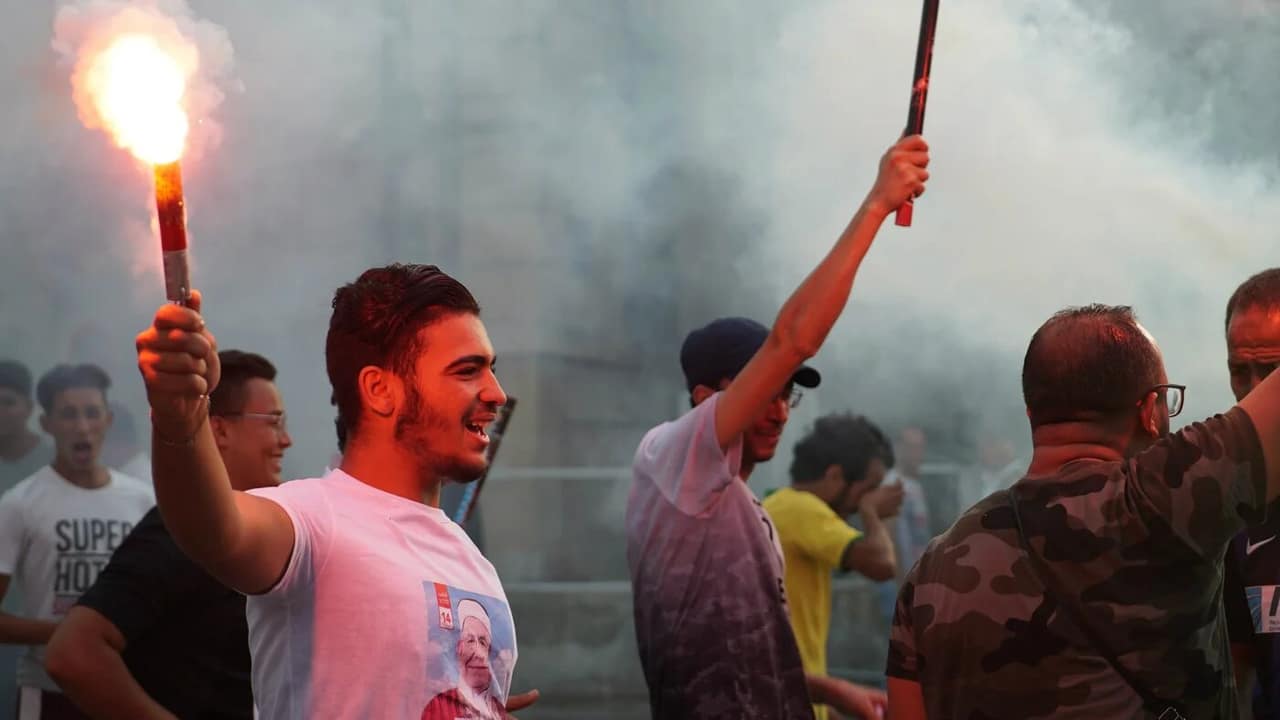
"The idea that Ennahda has been defeated and that Tunisians no longer want Islamic parties is simply not true," said Ahmed, a 23-year-old supporter. "More and more young people want a movement that is rooted in Islam, a movement that speaks to our identity and will stand up for Muslims being oppressed across the world. We are witnessing a resurgence and we will rise again."
Founded in the early 1980s, Ennahda emerged as Tunisia's principal Islamist opposition movement. After the Arab Spring, it won the country's first democratic elections, presenting itself as a model of "Muslim democracy" where Islam and democracy were complementary. The movement evolved towards advocating for "Muslim democrats," committed to pluralism, constitutional rule, and peaceful transfers of power, formally separating its political and religious activities in 2016.
Despite its evolution, Ennahda's governance alongside secular partners saw economic stagnation and high unemployment, which allowed Saied to position himself as an outsider. Ennahda supporters argue the movement's greatest mistake was strategic, failing to protect the democratic system it helped establish. They also believe regional powers hostile to the Arab Spring undermined Tunisia's transition, while Europe and the US failed to defend it.
Many younger members feel the movement compromised too much in its pursuit of consensus, leading to vulnerability. They desire leaders who are confident in pursuing their program without constant concessions and who do not abandon Islamic values. Former MP Maher Madhioub stated that Ennahda, born from decades of member sacrifices, has always stood for the Tunisian people's aspirations for liberty, dignity, and justice.