Key facts
- The UK Supreme Court ruled that Bahrain cannot claim state immunity in a surveillance case.
The UK Supreme Court has dismissed Bahrain's appeal for state immunity in a hacking case, allowing a lawsuit by two Bahraini dissidents to proceed. The dissidents allege their laptops were targeted by spyware installed by Bahrain in 2011, leading to claims of psychiatric harm.
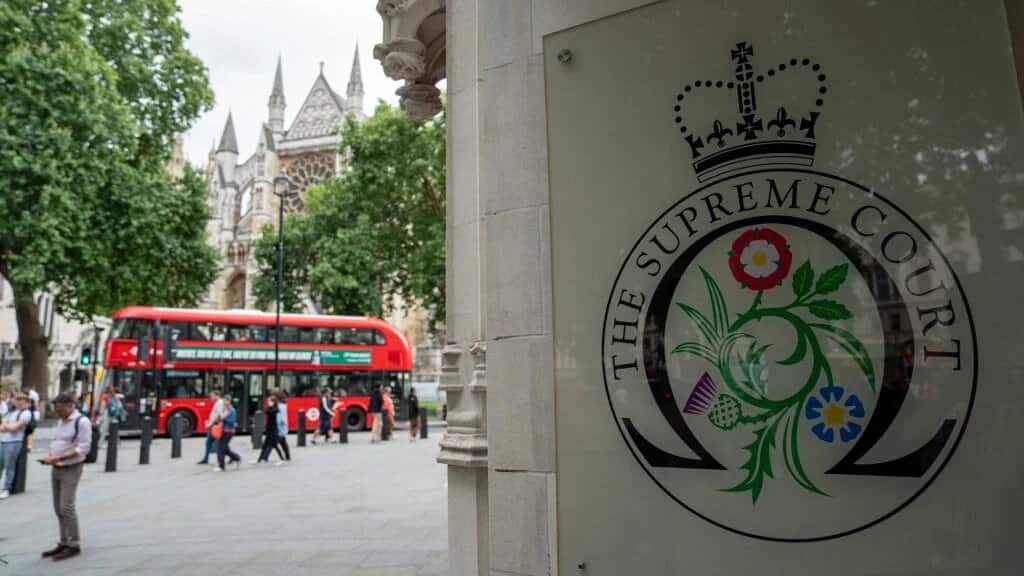
This ruling sets a precedent that authoritarian states may not be able to claim immunity in UK courts for alleged human rights abuses conducted on British soil, potentially opening the door for further legal challenges against state-sponsored surveillance.
The UK Supreme Court has ruled that Bahrain cannot claim state immunity in a case brought by two pro-democracy dissidents who allege their laptops were targeted with spyware. The dissidents, Saeed Shehabi and Moosa Mohammed, launched their lawsuit in London's High Court in 2020, seeking damages for psychiatric harm, claiming that spyware installed by Bahrain in 2011 allowed the kingdom to monitor their activities and those of other critics.
In a three-to-two majority decision, the Supreme Court dismissed Bahrain's appeal for state immunity, stating that the case could proceed because the alleged surveillance took place on British soil. Shehabi, who has lived in exile for decades, described the ruling as a victory for those targeted by authoritarian states beyond their borders.
Bahrain has denied the charges. Mohammed also praised the decision, dedicating the victory to those suffering abuse in Bahrain's prisons and expressing hope for accountability.