Key facts
- UK government plans to ban under-16s from social media platforms.
- VPN searches increased by 165% overnight after the ban confirmation.
- Age-verification measures are intended to enforce the ban.
- Cybersecurity researchers express concerns about the effectiveness of age verification and the accessibility of bypass methods.
Searches for Virtual Private Networks (VPNs) surged by 165% overnight following the UK government's confirmation of plans to ban under-16s from social media platforms. This rapid increase in demand for digital workarounds occurred within hours of the announcement of one of the world's strictest online safety regimes, which aims to block social media services for minors and introduce broader restrictions on online features.
Data from IT Asset Management Group (IT-AMG) revealed the sharp rise in Google searches for 'VPN' before the government formally confirmed the plans. Richy George, chief revenue officer at IT-AMG, noted the speed of the response, suggesting teenagers were actively seeking ways to circumvent the ban rather than disengage from social media.
VPNs function by masking a user's internet location, making them a potential tool for individuals under 16 to bypass the upcoming social media restrictions. This trend echoes findings from separate research by Cybernews, which indicated that previous age-verification measures implemented under the Online Safety Act led to a sustained increase in VPN downloads and online discussions about circumventing restrictions.
Cybernews reported that comments on Reddit related to bypassing age-verification systems jumped by 460% in August 2025, immediately after the UK's age-verification requirements became effective on July 25. During the same period, VPN downloads in Britain surpassed 2 million in a single month and remained elevated at over 1 million downloads per month for the subsequent year. Between May 2025 and April 2026, 241 Reddit discussions focused on bypassing age-verification systems, with new threads increasing significantly.
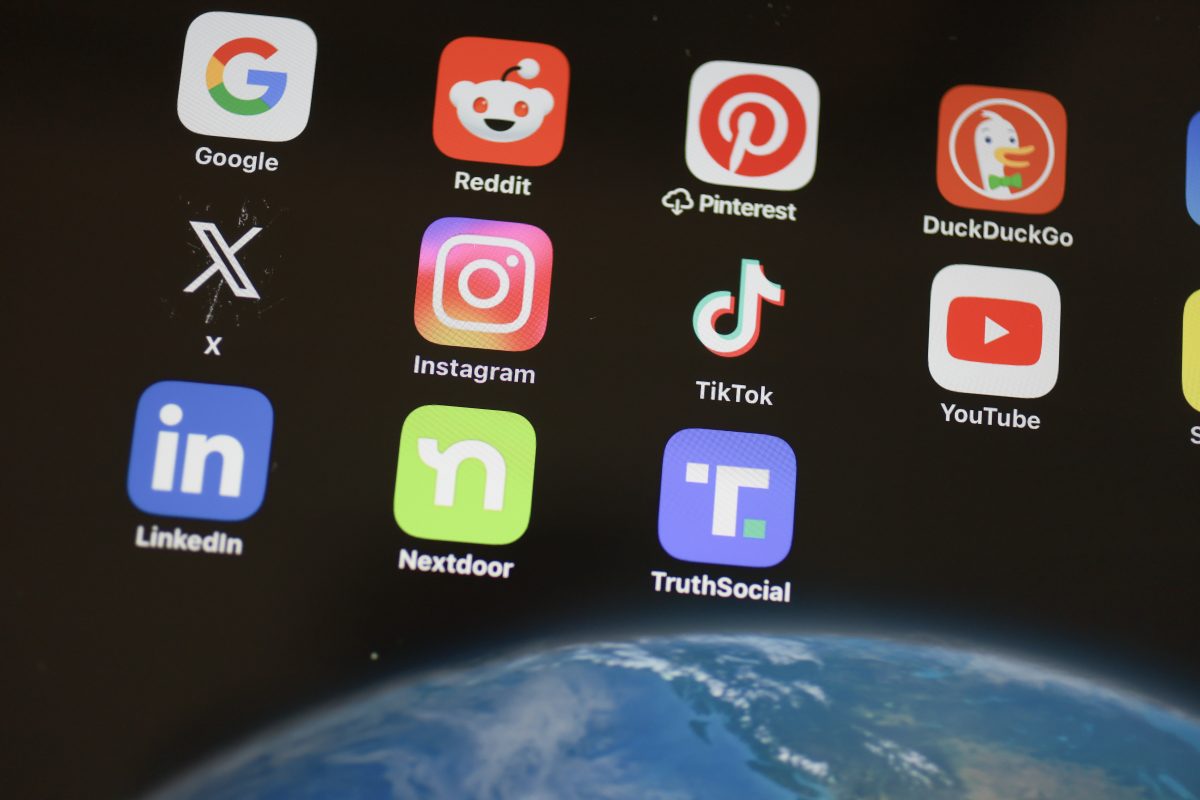
Kim Samuel, founder of Belonging Forum, cautioned that VPNs already being used to bypass age restrictions suggest that bans alone may not achieve the desired outcomes. The Department for Science, Innovation and Technology (DSIT) plans to rely on age-assurance technology to enforce the restrictions, with platforms like TikTok, Instagram, Snapchat, Facebook, X, and YouTube required to prevent under-16s from accessing their services. The government intends to learn from Australia's experience by introducing "highly effective age assurance" measures and has requested Ofcom to conduct an urgent review of age-verification technologies.
However, cybersecurity researchers have expressed concerns. Aras Nazarovas, senior information security researcher at Cybernews, stated that age verification laws do not appear to be stopping determined users. He also highlighted that many privacy-conscious individuals are reluctant to share sensitive personal data, such as uploading IDs or undergoing facial scans, for age verification. Nazarovas warned that as long as these methods remain privacy-invasive and bypass techniques are widely accessible, the laws may not achieve their intended effect. These concerns are similar to lessons learned in Australia, where VPN downloads nearly tripled after age restrictions for adult content were introduced earlier this year.