Key facts
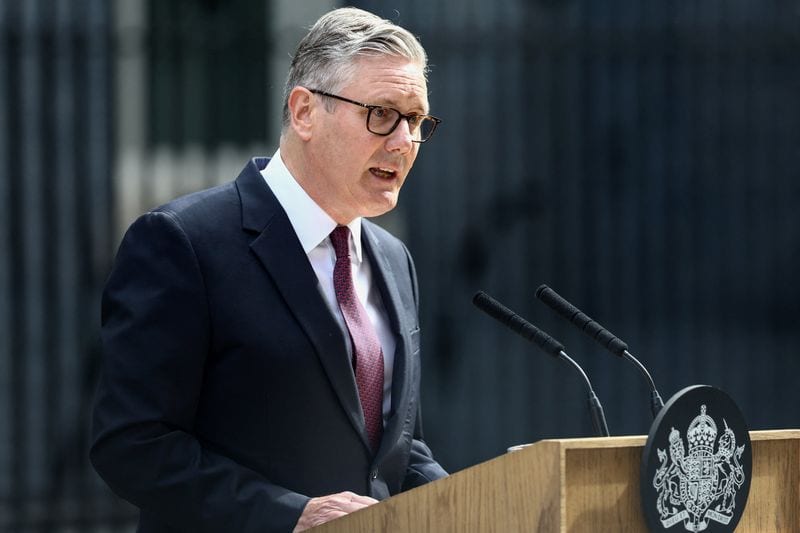
- UK Prime Minister Keir Starmer has resigned after less than two years in office.
- Starmer's resignation follows a series of controversies, including the appointment of Peter Mandelson as U.S. ambassador.
- The UK has experienced significant political instability, with Starmer being the seventh prime minister in 10 years.
- The current political turmoil is linked to the aftermath of the 2016 Brexit referendum.
- A process requiring 20% MP support and member/union votes will be used to select Starmer's successor.
British Prime Minister Keir Starmer announced his resignation on Monday, concluding a tumultuous tenure of less than two years and marking the latest chapter in a decade of political instability in the United Kingdom. His departure follows a period marked by internal party doubts about his leadership, a controversial appointment, and a series of policy reversals.
The political upheaval traces back to the 2016 Brexit referendum, which triggered a period of significant change. Following the vote, Prime Minister David Cameron resigned, succeeded by Theresa May, whose premiership ended due to parliamentary deadlock over Brexit. Boris Johnson then took office, leading the Conservatives to a large majority in 2019 and overseeing Britain's exit from the European Union in January 2020.
Johnson's tenure concluded in July 2022 amid scandals, leading to Liz Truss's brief and turbulent premiership. Rishi Sunak then assumed the role of Prime Minister, aiming to restore stability. However, following a general election called for July 4, 2024, where Labour secured a landslide victory, Keir Starmer became Prime Minister.
Starmer's premiership was immediately challenged by warnings of an inherited 'economic black hole' and the announcement of significant tax rises. The political landscape was further complicated by the surge of the right-wing Reform UK party in opinion polls and internal party rebellions, forcing Starmer to U-turn on welfare plans. A scandal involving the appointment of Peter Mandelson as U.S. ambassador, due to his past ties to Jeffrey Epstein, also intensified pressure on Starmer's leadership.
Recent events, including heavy losses for Labour in local elections in May 2026 and resignations of key ministers like Health Minister Wes Streeting and Defence Minister John Healey, have further eroded confidence in Starmer's leadership. The emergence of Greater Manchester Mayor Andy Burnham as a strong contender, following his electoral success, sets the stage for a potential leadership challenge.