All NewsEducationTV
Equities & FundsCrypto & Digital AssetsAI & TechnologyBusiness & CorporateUS Politics & PolicyGeopolitics & Global RiskMacro, Rates & FXCommodities & EnergyEuropean Politics & MarketsAsia-PacificReal Estate & Property
Story archiveAll categories
← All Stories

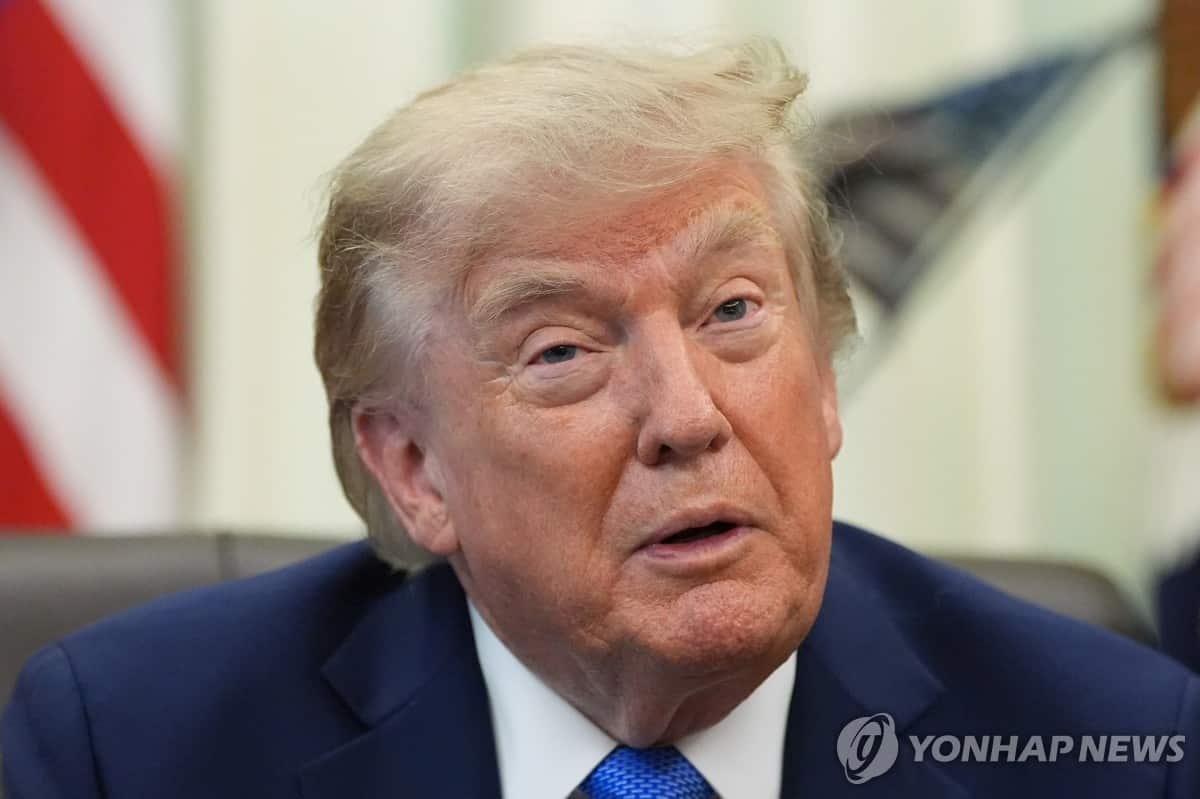
Trump Imposes 15% Tariff on Polysilicon Derivative Products

Created at 6 Aug · 9:06 PM2 sources↑ Market-relevant2 events
IN SHORT

President Donald Trump signed a proclamation imposing a 15 percent tariff on polysilicon derivative products and minimum import prices. The move, effective in 120 days, aims to protect U.S. polysilicon manufacturing crucial for semiconductors and onshoring critical product supply chains.

✉Newsletter

PiQ Daily

Pick your topics. Get only what matters, on your cadence.

Key Numbers

15 percenttariff rate on polysilicon derivative products
120 daystariff effective period after signing
$21 per kilogramminimum import price for polysilicon
$100 per kgminimum import price for polysilicon ingots and wafers
$0.22 per wattminimum import price for solar cells
$0.38 per wattminimum import price for solar modules

Who's Involved

Donald Trump
U.S. President who signed the proclamation
White House
stated the purpose of the minimum price program
William Scharf
White House Staff Secretary explaining the executive order
Howard Lutnick
Commerce Secretary noting polysilicon's foundational role
Trump Imposes 15% Tariff on Polysilicon Derivative Products

↳ Why This Matters

The tariffs and minimum import prices on polysilicon derivative products aim to bolster U.S. manufacturing in strategic sectors like semiconductors and solar energy, potentially impacting global supply chains and increasing costs for downstream industries.

Key facts

  • President Donald Trump signed a proclamation imposing a 15 percent tariff on polysilicon derivative products.
  • The tariff will take effect 120 days after the signing.
  • Minimum import prices were also established for polysilicon, ingots, wafers, solar cells, and solar modules.
  • The action was taken under Section 232 of the Trade Expansion Act of 1962.
  • The stated goals include protecting domestic manufacturing, preventing overseas dumping, and onshoring supply chains.

U.S. President Donald Trump signed a proclamation on Thursday to impose a 15 percent tariff on polysilicon derivative products, a move intended to protect America's polysilicon manufacturing, which is crucial for semiconductor production. The tariff action will take effect 120 days after the signing.

The proclamation also includes the imposition of minimum import prices for imported polysilicon and its derivatives. These minimum prices are set at $21 per kilogram for polysilicon, $100 per kg for ingots and wafers, $0.22 per watt for solar cells, and $0.38 per watt for solar modules. The White House explained that this minimum price program is designed to "create a level playing field for American producers of these strategic goods."

President Trump enacted this tariff action under Section 232 of the Trade Expansion Act of 1962, which grants the president authority to adjust imports if they are deemed to threaten national security. White House Staff Secretary William Scharf stated that these actions are intended to ensure domestic polysilicon manufacturing is supported and protected from overseas dumping and offshore threats, aiming to onshore manufacturing capacity and protect American industry from foreign actors.

Commerce Secretary Howard Lutnick highlighted polysilicon's role as a "foundational" product for silicon wafers used in AI chips, emphasizing the need for an integrated supply chain within the U.S. He added that the measures aim to prevent dumping by setting prices and tariffs to encourage domestic production.

Frequently asked questions

Polysilicon is a key component used in the manufacturing of solar panels and semiconductors, serving as the base material for silicon wafers.

The measures are intended to protect and support domestic U.S. polysilicon manufacturing, prevent overseas dumping, and encourage the onshoring of critical supply chains.

The tariffs were imposed under Section 232 of the Trade Expansion Act of 1962, which allows the president to adjust imports based on national security concerns.

What Happens Next

01The tariff will take effect 120 days after August 6, 2026.

Get the newsletter.

Pick the topics you actually care about. We'll email when there's news worth your time, on the cadence you choose. Cancel any time from your account.

Cadence

How It Developed

President Trump announced tariffs on polysilicon, a key component for solar panels and semiconductors.
President Donald Trump signed a proclamation to impose a 15 percent tariff on polysilicon derivative products.
The tariff action will take effect 120 days after the signing.
The proclamation includes the imposition of minimum import prices for imported polysilicon and polysilicon derivatives.
The White House stated the minimum price program is meant to create a level playing field for American producers.

Sources

T1
Trump announces tariffs on key component for solar panels and semiconductorsPolitico
T1
Trump signs proclamation imposing 15 pct tariff on polysilicon derivative productsYonhap News Agency

Related Stories

Trump Admin Blocks Tungsten, Battery Waste Exports
6 Aug · 9:00 PM
FCC chair: Robot import restrictions aim to boost US production
6 Aug · 4:07 PM
Trump disputes munition shortage reports, vows to hunt 'leakers'
6 Aug · 5:21 AM
Japan Urges U.S. to Halt Unauthorized Use of Anime, Game Characters
6 Aug · 9:06 PM
Trump touts economic policies, criticizes Democrats in Michigan visit
6 Aug · 2:36 AM