Key facts
- The U.S. Commerce Department will block exports of tungsten scrap and battery waste.
- The order aims to increase domestic recycling and critical mineral production.
- Exports of 'black mass' from lithium-ion batteries and tungsten scrap are prohibited.
- The measure is intended to reduce U.S. dependence on China for critical minerals.
- The ban takes effect August 27 and will last for one year.
The U.S. Commerce Department announced on Thursday that it will prohibit the export of tungsten scrap and waste from lithium-ion batteries, a move intended to bolster domestic recycling capabilities and critical mineral production. This action, which was anticipated, follows President Donald Trump's recent order empowering federal officials to restrict overseas shipments of scrap containing valuable critical minerals, particularly to China.
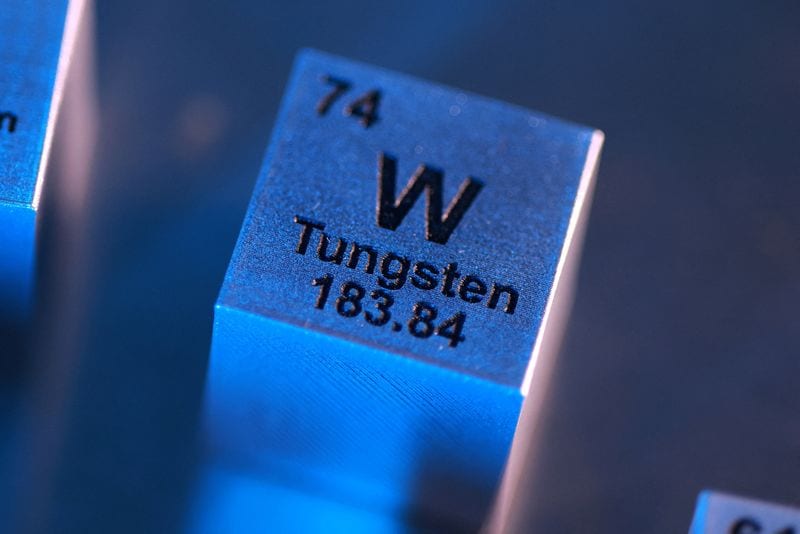
The prohibited materials include 'black mass,' the shredded components of lithium-ion batteries, and scrap containing tungsten, a metal crucial for hardening steel and utilized in defense applications. This initiative is part of a broader U.S. strategy to decrease reliance on China, which currently dominates the global processing of critical minerals essential for electric vehicle batteries and weaponry. Washington has been employing export controls, tariffs, and domestic incentives to rebuild its supply chain amidst escalating tensions with Beijing over mineral access.
The Bureau of Industry and Security within the Commerce Department stated that the order, published in the Federal Register, will become effective on August 27 and remain in place for one year. Waivers may be granted on a case-by-case basis if companies can demonstrate 'undue hardship' or 'irreparable harm.'
According to data from the environmental group Basel Action Network, the U.S. exports approximately 33,000 metric tons monthly of electronic waste and other scrap, much of which contains recyclable critical minerals. The U.S. recycling industry has long advocated for keeping this material within the country to enhance domestic mineral production. However, the nation currently lacks sufficient capacity to process all the scrap it generates, and several recyclers, including Li-Cycle and Ascend Elements, have faced economic difficulties, with both filing for bankruptcy in the past 18 months.
Ryan McAdams, CEO of Amermin, a private tungsten recycling firm, welcomed the decision but emphasized the need for greater domestic infrastructure to handle scrap. He described the ban as a 'band-aid' that buys time but stressed the necessity of building up U.S.-based infrastructure. Amermin, which received an $11.5 million grant from the Energy Department last year, has not yet received the funds, delaying the opening of its commercial recycling facility.