HomeEverythingEducationTV
Equities & FundsCrypto & Digital AssetsAI & TechnologyBusiness & CorporateUS Politics & PolicyGeopolitics & Global RiskMacro, Rates & FXCommodities & EnergyEuropean Politics & MarketsAsia-PacificReal Estate & Property
Story archiveAll categories
← All Stories

Trump administration approves Saudi nuclear enrichment without safeguards: Report

Created at 20 Jul · 6:26 PM1 source↑ Market-relevant
IN SHORT

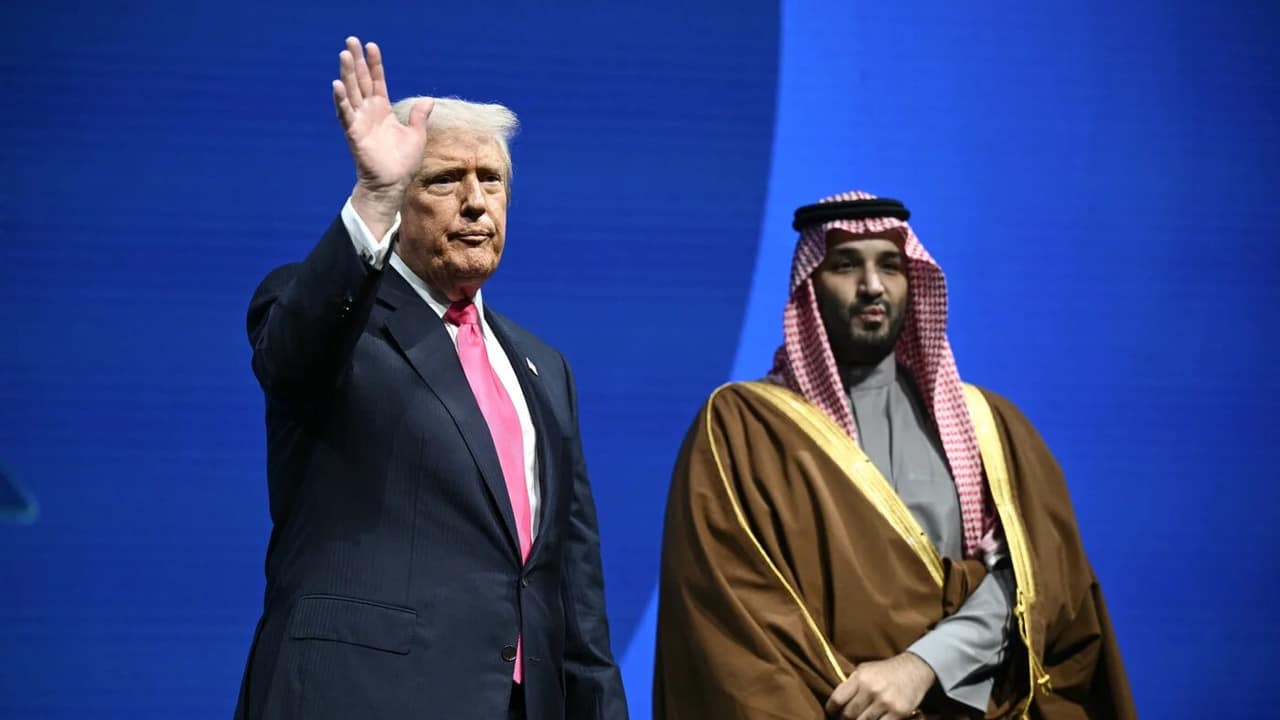
The Trump administration has reportedly approved Saudi Arabia's nuclear enrichment project without safeguards to prevent bomb development, according to a CNN report. The deal awaits President Trump's signature and has not yet been sent to Congress, potentially due to anticipated bipartisan opposition.

✉Newsletter

PiQ Daily

Pick your topics. Get only what matters, on your cadence.

Key Numbers

123agreement type for nuclear exports
170estimated nuclear warheads for Pakistan

Who's Involved

Mohammed bin Salman
Crown Prince of Saudi Arabia pushing for nuclear deal
Donald Trump
US President whose signature is awaited on the deal
CNN
News outlet reporting on the draft deal
Prince Abdulaziz bin Salman
Saudi Energy Minister discussing uranium enrichment
Pakistan
Nuclear-armed state with a defense pact with Saudi Arabia
UAE
Gulf state with a US nuclear deal including non-proliferation safeguards
IAEA
International Atomic Energy Agency for nuclear facility access
Trump administration approves Saudi nuclear enrichment without safeguards: Report

↳ Why This Matters

The potential approval of Saudi Arabia's nuclear enrichment program without stringent safeguards raises significant concerns about nuclear proliferation in the Middle East and could alter regional power dynamics, especially given past statements by Saudi leadership regarding nuclear capabilities.

Key facts

  • The Trump administration has reportedly approved Saudi Arabia's nuclear enrichment project.
  • The deal reportedly lacks safeguards to prevent the development of a bomb.
  • The agreement is awaiting President Donald Trump's signature.
  • The documents have not yet been sent to Congress.
  • Saudi Arabia has expressed a desire to enrich uranium.
  • The US previously pursued a civil nuclear pact with Riyadh without traditional non-proliferation safeguards.

The Trump administration has reportedly approved Saudi Arabia's nuclear enrichment project without safeguards to prevent the development of a bomb, according to a CNN report. The draft deal, which includes the mandatory "123 agreement" and safeguards protocols, is still awaiting President Donald Trump’s signature, despite negotiations concluding in October.

Unnamed officials cited in the report indicated that the documents have not yet been sent to Congress, potentially due to fear of bipartisan pushback, especially with Congress likely to switch to a Democratic majority after the November elections. Crown Prince Mohammed bin Salman and his advisors have long advocated for a deal that would permit the kingdom to enrich uranium, citing vast reserves.

Saudi Arabia's pursuit of inclusion under the US nuclear umbrella was a significant topic during Crown Prince Mohammed bin Salman's visit to the White House in November. Days after Israel's attack on Hamas negotiators in Qatar, Saudi Arabia entered into a defense pact with Pakistan, the only nuclear-armed nation in the Muslim world, estimated to possess around 170 nuclear warheads. Both Saudi and Pakistani descriptions of this deal encompassed all military options.

While US nuclear talks with Saudi Arabia have been conducted discreetly, a former US intelligence official suggested that extending protection to the kingdom could serve to draw them away from Pakistan's nuclear umbrella and provide a sense of security comparable to Qatar. In February, the Trump administration had already notified Congress of its intention to pursue a civil nuclear pact with Riyadh that omits the non-proliferation safeguards traditionally imposed by the US to prevent nuclear weapons development.

The language within the document reportedly allows Saudi Arabia to enrich uranium, stipulating "additional safeguards and verification measures to the most sensitive areas of potential nuclear cooperation," including enrichment and reprocessing. Such a deal, without an explicit prohibition on future uranium enrichment by the kingdom, would be more impactful regionally than a separate pursuit of F-35 warplanes by the Trump administration. For comparison, the US has made cooperation conditional on non-enrichment commitments in nuclear agreements with other nations, such as the UAE, Morocco, and numerous European and Asian countries that have signed "123 Agreements."

US law typically mandates a "123 Agreement" to be in effect before licensing significant exports of US-origin nuclear material or equipment to foreign nations. Beyond this, US lawmakers have advocated for Saudi Arabia to adhere to the "Additional Protocol," which grants the IAEA enhanced access to nuclear facilities, data, and undeclared sites. The UAE, the sole Gulf state with an official US nuclear energy partnership, ratified the Additional Protocol in 2009. However, a Reuters report indicated that the Trump administration sent a preliminary report to some congressional committee heads in November, a required step if the Additional Protocol is not being pursued. This approach underscores President Trump's focus on deal-making in his diplomatic strategy, even when it conflicts with traditional US foreign policy concerns.

Frequently asked questions

A "123 agreement" is a type of contract under Section 123 of the U.S. Atomic Energy Act of 1954, which governs civilian nuclear cooperation between the United States and other countries. It is generally required before the U.S. can license significant exports of nuclear materials or equipment.

Safeguards, typically overseen by the International Atomic Energy Agency (IAEA), are measures designed to prevent the diversion of nuclear material from peaceful uses to the development of nuclear weapons. This can include inspections, monitoring, and reporting requirements.

The Additional Protocol is a legal instrument that strengthens the IAEA's safeguards system by providing it with broader access to nuclear facilities, information, and undeclared sites, enhancing transparency and verification capabilities.

Saudi Arabia has stated its intention to enrich uranium, citing vast reserves. This capability is a key step in developing a civilian nuclear program and potentially a nuclear deterrent, especially in response to perceived threats from other regional powers.

What Happens Next

01President Donald Trump's signature on the draft deal.
02The deal being sent to Congress for review.
03Potential bipartisan pushback from Congress.
04Saudi Arabia's future actions regarding uranium enrichment.

Get the newsletter.

Pick the topics you actually care about. We'll email when there's news worth your time, on the cadence you choose. Cancel any time from your account.

Cadence

How It Developed

The Trump administration has approved Saudi Arabia's nuclear enrichment project.
The draft deal reportedly lacks safeguards to prevent the development of a bomb.
The agreement is awaiting President Donald Trump's signature.
Documents have not yet been sent to Congress, possibly due to anticipated bipartisan pushback.
Saudi Arabia has long sought a deal allowing uranium enrichment.
Saudi Arabia signed a defense pact with Pakistan, a nuclear-armed state.
The US notified Congress in February of pursuing a civil nuclear pact with Riyadh without traditional non-proliferation safeguards.
The language in the document allows for Saudi Arabia to enrich uranium.

Sources

T1
US greenlights Saudi nuclear enrichment without safeguards: ReportMiddle East Eye

Related Stories

Trump: Netanyahu will not be arrested in US
20 Jul · 5:10 PM
Trump says he had 'very good conversation' with British PM Burnham
20 Jul · 11:19 PM
Former UN oversight chief calls ICC prosecutor Karim Khan a 'victim of massive stitch-up'
20 Jul · 2:31 PM
Experts question timeline for security upgrades on Trump's Qatari-gifted Air Force One
20 Jul · 7:59 PM
Trump tightens defense supply chain waiver rules
20 Jul · 7:46 PM