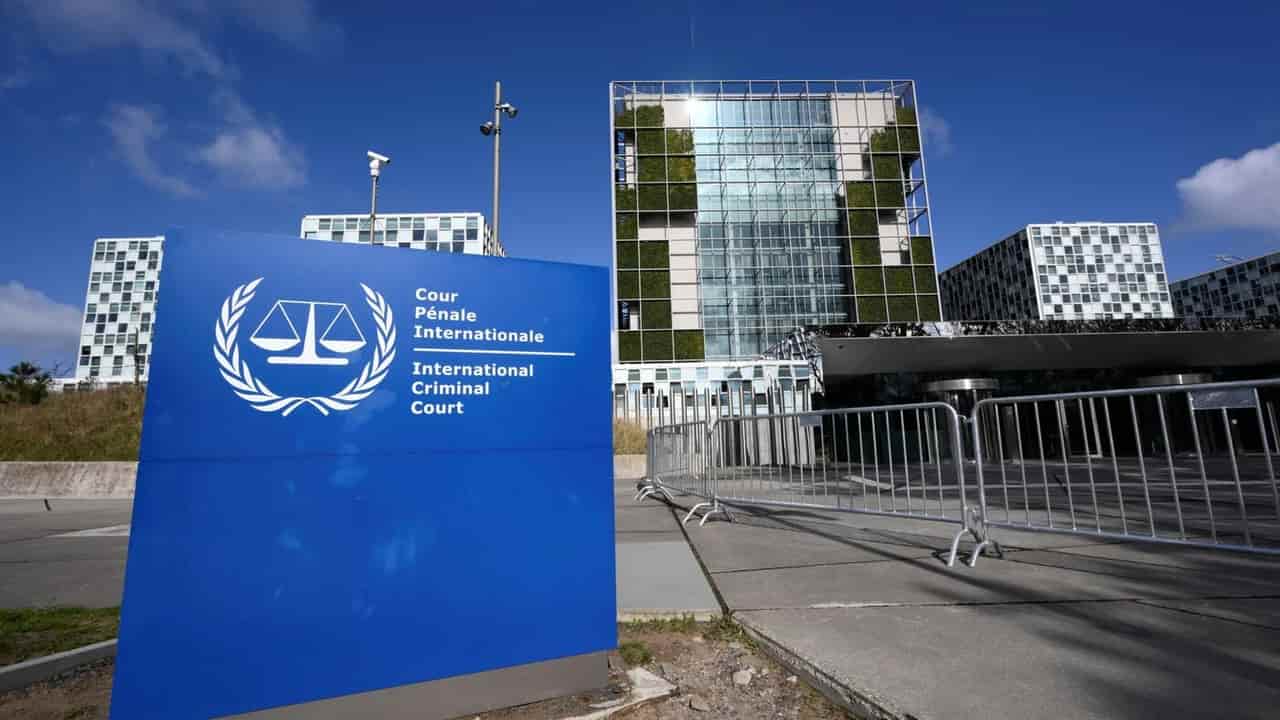
Key facts
- Former UN investigations chief Ben Swanson accused the ICC's executive body of a "stitch-up" against Prosecutor Karim Khan.
- Swanson stated the bureau pursued an "activist agenda" and disregarded a panel of judges' unanimous conclusion.
- The bureau suspended Khan after concluding he committed "serious misconduct" by engaging in a sexual relationship with a complainant, which Khan denies.
- Swanson argued the bureau's conclusion was "unsafe" and should not be relied upon for disciplinary action.
- The Assembly of States Parties (ASP) is set to vote on Khan's future on Friday.
A former United Nations investigations chief has accused the International Criminal Court’s executive body of subjecting Prosecutor Karim Khan to a “stitch-up” in their decision to suspend him from office over misconduct allegations. Ben Swanson, a former UN assistant secretary-general and deputy head of the UN Office of Internal Oversight Services (OIOS), submitted his latest opinion on June 28, obtained by Middle East Eye. He criticized the bureau’s June 8 decision to suspend Khan after concluding he committed “serious misconduct,” which departed from the unanimous conclusion of a panel of three judges appointed by the bureau. The judges had concluded in March that the presented facts did not establish misconduct or breach of duty.
Swanson stated that the Prosecutor is the victim of a massive ‘stitch-up’ and doubted whether justice would be done or seen to be done. He accused the bureau of adopting “a dystopian method” of justice and pursuing “an activist agenda” to remove Khan from his post by weaponizing scant evidence and ignoring countervailing evidence and the wisdom of the judges. The ASP, comprising diplomatic representatives from 125 member states, is scheduled to vote on Khan's future on Friday.
The judicial panel was part of a process authorized in November 2024 by ASP President Paivi Kaukoranta, who outsourced the misconduct probe to the OIOS after the complainant refused to cooperate with the ICC’s investigative body. The allegations included unwelcome conduct of a sexual nature, abuse of authority, and retaliation against office members. Khan has denied all allegations. The bureau’s decision did not find misconduct related to retaliation allegations but stated evidence established Khan engaged in a sexual relationship with the complainant, deeming it an improper use of influence due to a power imbalance. Khan denied any sexual relationship, while the complainant centered her account on non-consensual conduct. Swanson argued the bureau’s conclusion was based on a novel allegation of an inappropriate, consensual workplace romance, which he stated was not what was alleged and had not been proven.
Swanson criticized the bureau for disregarding the judicial panel and making its own credibility assessments, stating they acted with less legal restraint and used semantic gymnastics to reach their conclusion. He added that the bureau failed to assess the credibility of the evidence itself. Swanson concluded that the bureau's finding is "unsafe and should not be relied upon" and that states parties should give "decisive weight" to the panel's unanimous conclusion. Sir James Eadie KC, the UK's first treasury counsel, had previously warned of the illegality of granting the bureau legal authority to determine misconduct, emphasizing the need for a judicial process with oral hearings.