HomeEverythingEducationTV
Equities & FundsCrypto & Digital AssetsAI & TechnologyBusiness & CorporateUS Politics & PolicyGeopolitics & Global RiskMacro, Rates & FXCommodities & EnergyEuropean Politics & MarketsAsia-PacificReal Estate & Property
Story archiveAll categories
← All Stories

Space Force seeks up to $30 billion for rocket launches

Created at 20 Jul · 8:36 PM2 sources↑ Market-relevant2 events
IN SHORT

The U.S. Space Force is significantly increasing its procurement of rocket launches, tripling the maximum value of its National Security Space Launch (NSSL) Phase 3 contract for Lane 1 missions to $17 billion. This expansion signals rising demand for military satellite deployment.

✉Newsletter

PiQ Daily

Pick your topics. Get only what matters, on your cadence.

Key Numbers

$30 billiontotal sought for rocket launches
$17 billionmaximum contract value for NSSL Phase 3 Lane 1
$5.6 billionprevious contract value
2024year Space Systems Command selected Lane 1 providers

Who's Involved

U.S. Space Force
seeking to increase rocket launch procurement
Space Systems Command
oversees the Space Force's launch program
SpaceX
qualified launch provider for Lane 1 and Lane 2 missions
United Launch Alliance (ULA)
qualified launch provider for Lane 1 and Lane 2 missions
Blue Origin
qualified launch provider for Lane 1 missions
Rocket Lab
qualified launch provider for Lane 1 missions
Stoke Space
qualified launch provider for Lane 1 missions
Relativity Space
qualified launch provider for Lane 1 missions
Impulse Space
qualified launch provider for Lane 1 missions
Space Force seeks up to $30 billion for rocket launches

↳ Why This Matters

The increased investment in military satellite launches highlights the growing strategic importance of space-based assets for national security and defense.

Key facts

  • The U.S. Space Force is increasing the maximum value of its National Security Space Launch (NSSL) Phase 3 contract.
  • The contract's value for Lane 1 missions has been tripled to a maximum of $17 billion.
  • This move indicates an increased demand for military satellite launches.
  • Lane 1 accommodates less critical missions and is open to commercial providers without extensive certification.
  • Several commercial launch providers are eligible for Lane 1 contracts, including SpaceX, ULA, Blue Origin, Rocket Lab, Stoke Space, Relativity Space, and Impulse Space.

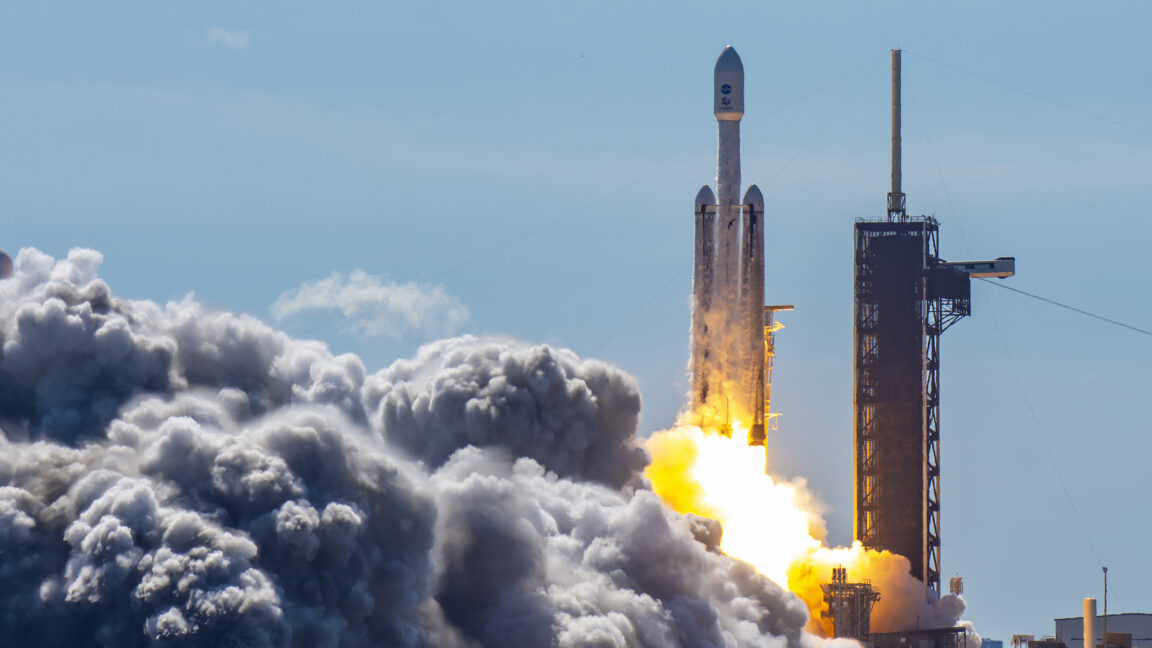
The U.S. Space Force is significantly increasing its spending on rocket launches, raising the maximum value of its National Security Space Launch (NSSL) Phase 3 contract to $17 billion. This expansion signals a growing need for military satellite deployment.

The NSSL program allows the Space Systems Command to contract with various launch providers for missions. The program is divided into two lanes. Lane 1 is for missions with higher risk tolerance, such as medium-lift launches or rideshare missions, and does not require extensive certification from providers. Lane 2 is reserved for high-priority strategic missions, including large spy satellites or hardened communications satellites, and is limited to certified rockets like SpaceX's Falcon 9 and Falcon Heavy, and ULA's Vulcan rocket.

The increased funding is specifically for Lane 1 contracts. In 2024, Space Systems Command initially selected SpaceX, ULA, and Blue Origin for Lane 1. The roster has since expanded to include Rocket Lab, Stoke Space, Relativity Space, and Impulse Space. These companies compete for annual task orders issued by the Space Force, with SpaceX having secured the majority of Lane 1 contracts to date.

Frequently asked questions

The NSSL program is a U.S. Space Force initiative that allows the Space Systems Command to select launch providers for military satellite missions.

Lane 1 is for less critical, more risk-tolerant missions open to commercial providers, while Lane 2 is for high-priority strategic missions requiring certified rockets.

SpaceX, ULA, Blue Origin, Rocket Lab, Stoke Space, Relativity Space, and Impulse Space are qualified for Lane 1 contracts.

Currently, only SpaceX's Falcon 9 and Falcon Heavy, and United Launch Alliance's Vulcan rocket are certified for Lane 2 missions.

What Happens Next

01Space Force will issue requests for bids on Lane 1 missions.
02Individual fixed-price task orders will be awarded to winning companies.

Get the newsletter.

Pick the topics you actually care about. We'll email when there's news worth your time, on the cadence you choose. Cancel any time from your account.

Cadence

How It Developed

The U.S. Space Force increased the maximum value of its National Security Space Launch contracts to $17 billion.
The Space Force is seeking to buy up to $30 billion in rocket launches.
Lane 1 of the NSSL program is authorized for $17 billion in launch procurement expenses.
Space Systems Command selected SpaceX, ULA, and Blue Origin for Lane 1 in 2024, later adding Rocket Lab, Stoke Space, Relativity Space, and Impulse Space.

Sources

T1
The Space Force is now seeking to buy up to $30 billion in rocket launchesvar abtest_2163840 = new ABTest(2163840, 'impression');Ars Technica
T1
The Space Force is now seeking to buy up to $30 billion in rocket launchesArs Technica

Related Stories

Experts question timeline for security upgrades on Trump's Qatari-gifted Air Force One
20 Jul · 7:59 PM
Trump tightens defense supply chain waiver rules
20 Jul · 7:46 PM
Democrats seek control over Trump's Iran policy amid escalating conflict
20 Jul · 11:31 PM
Trump Administration Considers Restricting Chinese AI Models Amid Intensifying U.S.-China AI Race
20 Jul · 7:56 PM
Trump-aligned MAGA Inc reports over $400 million in cash reserves
21 Jul · 3:23 AM