HomeAll NewsEducationTV
Equities & FundsCrypto & Digital AssetsAI & TechnologyBusiness & CorporateUS Politics & PolicyGeopolitics & Global RiskMacro, Rates & FXCommodities & EnergyEuropean Politics & MarketsAsia-PacificReal Estate & Property
Story archiveAll categories
← All Stories

Space Force chief opposes privateering for space warfare

Created at 22 Jul · 5:06 PM1 source↑ Market-relevant
IN SHORT

The chief of the U.S. Space Force has expressed opposition to the idea of using privateers in space warfare, drawing parallels to historical practices and recent legislative proposals. This stance contrasts with some lawmakers' interest in reviving privateering for cyber and space domains.

✉Newsletter

PiQ Daily

Pick your topics. Get only what matters, on your cadence.

Key Numbers

240 yearstime since Benjamin Franklin's opinions
250 yearstime since privateering became controversial
1812year of last US privateer use

Who's Involved

Benjamin Franklin
Founding Father who wrote essays objecting to privateering
President John Adams
Proponent of commissioning private vessels during the Quasi-War
President James Madison
Approved merchant ships to fight the British Royal Navy in the War of 1812
Michael Crawford
Former senior historian at the Naval History and Heritage Command
William Whipple
Delegate from New Hampshire who criticized privateering
Sen. Mike Lee
Co-author of bills for privateering in cyber warfare and against drug cartels
Rep. Tim Burchett
Co-author of bills for privateering in cyber warfare and against drug cartels
President Donald Trump
Signed the National Defense Authorization Act into law
Sen. Jack Reed
Democrat involved in the National Defense Authorization Act
Space Force chief opposes privateering for space warfare

↳ Why This Matters

The U.S. Space Force's opposition to privateering in space reflects ongoing debates about the privatization of warfare and the evolving rules of engagement in the space domain. It highlights concerns about maintaining military control over offensive capabilities and the potential for blurring lines between legitimate privateering and piracy in a new frontier.

Key facts

  • The U.S. Space Force chief opposes the idea of using privateers in space warfare.
  • Recent legislative proposals have suggested using privateers for cyber warfare and against drug cartels.
  • The U.S. historically used privateers, a practice now prohibited under international law.
  • The National Defense Authorization Act included a provision against privatized missile defense capabilities.
  • The U.S. Space Force currently uses privately owned satellites in military exercises.

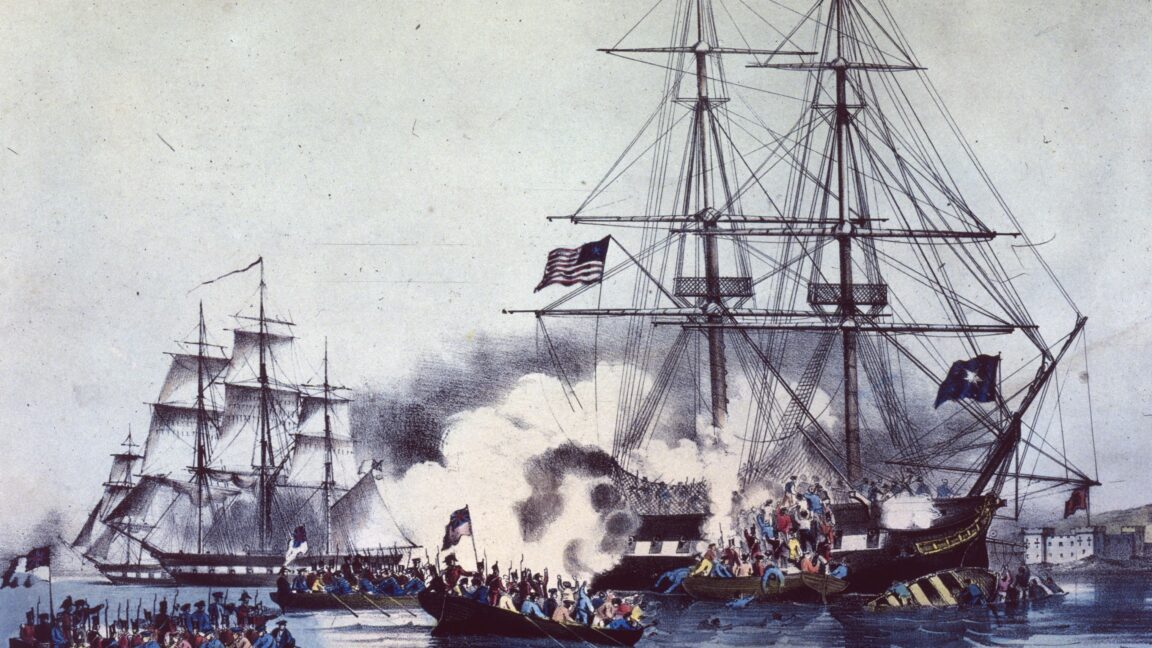
The chief of the U.S. Space Force has pushed back against the idea of employing 'space privateers,' drawing a parallel to historical privateering practices and recent legislative proposals. While the U.S. Constitution permits privateering, the practice has been largely obsolete since the War of 1812 and is now prohibited under international law.

Historically, presidents like John Adams and James Madison utilized privateers to supplement naval power during conflicts with France and Great Britain, respectively. Letters of marque and reprisal legally distinguished privateering from piracy. However, figures like Benjamin Franklin and William Whipple voiced moral and economic objections to the practice, arguing for its abolition.

In contemporary times, some lawmakers, including Senator Mike Lee and Representative Tim Burchett, have introduced legislation to reintroduce privateering, particularly for cyber warfare and to combat drug cartels. Lee has described this as 'white-hat hacking,' allowing private operators to seize assets from adversaries and share profits with the government.

The discussion extends to space due to the blurring lines between commercial and military operations. The U.S. Space Force already incorporates privately owned satellites in military exercises. While these satellites are not weaponized, the potential for space-based weapons and the targeting of commercial assets like satellites in future conflicts raises questions about offensive private operations in space.

The National Defense Authorization Act for the past year included an amendment prohibiting the Pentagon from using privatized or subscription-based missile defense intercept capabilities, mandating that such systems be owned and operated by the U.S. military. This legislative action underscores a cautious approach to privatizing military functions, even as technological advancements blur traditional domains of warfare.

Frequently asked questions

Privateering is the practice of commissioning private vessels to attack and capture enemy shipping during wartime. Letters of marque and reprisal legally distinguish it from piracy.

The U.S. government has not officially used privateers since the War of 1812, although the Confederacy commissioned privateers during the Civil War.

Some lawmakers are proposing its revival for use in cyber warfare and against drug cartels, citing the potential to seize enemy assets and share profits.

The chief of the U.S. Space Force opposes the concept, emphasizing that privatized missile defense capabilities are prohibited and that military control is preferred.

What Happens Next

01Further legislative action on proposals for cyber privateering.
02Continued debate on the rules of engagement for commercial assets in space warfare.

Get the newsletter.

Pick the topics you actually care about. We'll email when there's news worth your time, on the cadence you choose. Cancel any time from your account.

Cadence

How It Developed

The U.S. has historically used privateers during conflicts like the Quasi-War, War of 1812, and Civil War.
Benjamin Franklin and William Whipple expressed moral objections to privateering in the 18th century.
Privateering is now prohibited under international law but remains in the U.S. Constitution.
Recent legislative proposals aim to revive privateering for cyber warfare and combating drug cartels.
The U.S. Space Force uses privately owned satellites in military exercises.
The National Defense Authorization Act prohibited the Pentagon from fielding privatized missile defense capabilities.
The chief of the U.S. Space Force opposes the concept of space privateers.

Sources

T1
Next Space Force chief throws cold water on the idea of space privateersvar abtest_2163938 = new ABTest(2163938, 'impression');Ars Technica

Related Stories

China's scientific ambitions spark US Senate concerns
21 Jul · 8:25 PM
Smithsonian museum head: Patriotism 'inspired,' not 'instructed'
21 Jul · 9:51 PM
Senator Warner urges Wall Street to reject paid early access to Trump posts
21 Jul · 7:46 PM
Nintendo customers have no legal right to tariff refunds, company tells judge
21 Jul · 7:16 PM
US House bill seeks ban on in-flight phone calls
22 Jul · 12:06 AM