Key facts
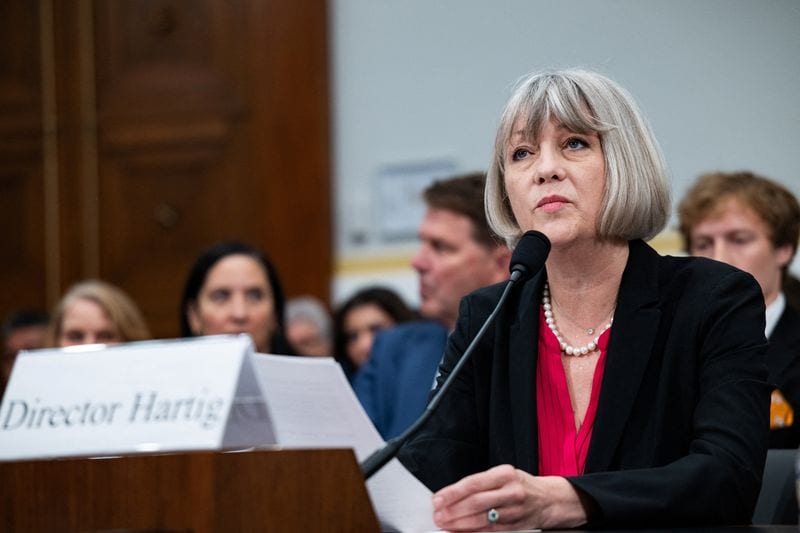
- The director of the Smithsonian's National Museum of American History, Anthea Hartig, stated that patriotism is most powerful when it is 'not instructed but inspired'.
- A White House report accused the museum of 'thinly veiled anti-Americanism' and 'extreme political activism'.
- Hartig testified before a House of Representatives oversight subcommittee, defending the museum's diverse historical exhibits.
- She asserted that the museum's goal is to add evidence and voices that were previously left out of the national story.
- The Smithsonian Institution, a complex of 21 museums, has faced criticism from the Trump White House regarding its exhibits.
The director of the Smithsonian Institution's National Museum of American History, Anthea Hartig, stated that patriotism is most powerful when it is "not instructed but inspired." Her remarks came after a White House Domestic Policy Council report accused the museum of "thinly veiled anti-Americanism" and "extreme political activism."
Testifying before a House of Representatives oversight subcommittee, Hartig defended the museum's approach to presenting a wide range of U.S. history. She shared an anecdote about children standing with hands over their hearts in front of "The Star-Spangled Banner," emphasizing that their patriotism was inspired, not instructed.
Hartig also addressed the museum's efforts to incorporate diverse voices and stories that had previously been untold. She clarified that reframing a traditional narrative does not equate to erasing it, but rather to adding evidence and perspectives that were omitted in earlier tellings, allowing more Americans to see themselves in the national story.
She reiterated sentiments previously expressed by Smithsonian Institution Secretary Lonnie Bunch, stating that the White House report did not accurately characterize the museum's work, while also acknowledging room for improvement. The Smithsonian Institution, an 180-year-old complex encompassing 21 museums and galleries, has been a target of President Donald Trump's administration, which has sought to reshape cultural and historical institutions.