Key facts
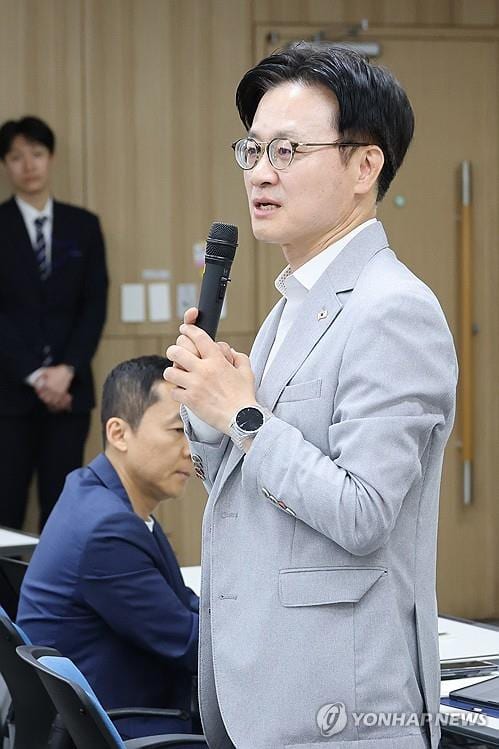
- South Korean Industry Minister Kim Jung-kwan is visiting Washington.
- The visit addresses growing U.S. tariff pressure and bilateral trade issues.
- The U.S. is investigating South Korea for alleged overproduction and excess industrial capacity under Section 301 of the Trade Act.
- South Korea faces potential tariffs of up to 12.5% on imports.
- A prior agreement limits Section 301 tariffs to a maximum of 15%.
South Korea's Industry Minister Kim Jung-kwan has traveled to Washington to confront increasing tariff pressures from the United States and address ongoing bilateral trade disputes. The visit comes at a critical juncture for trade relations, with Seoul facing heightened U.S. demands for accelerated investment commitments.
The U.S. government is anticipated to reveal the outcomes of its investigation into alleged overproduction by South Korea under Section 301 of the Trade Act by the end of August. This follows Washington's recent imposition of tariffs, ranging from 10 percent to 12.5 percent, on imports from 60 trading partners, including South Korea, Japan, and Switzerland, stemming from an investigation into forced labor practices.
In addition to the forced labor inquiry, the U.S. is concurrently examining 16 economies, South Korea among them, for suspected excess industrial capacity, also under the framework of the same trade law. Minister Kim previously stated that both nations have agreed that any tariffs levied under the Section 301 investigation will not exceed 15 percent, consistent with a tariff agreement reached last year between Seoul and Washington.
Last year, South Korea's exports to the U.S. amounted to $122.9 billion, while imports were $73.4 billion, positioning the U.S. as South Korea's second-largest trading partner.