Key facts
- South Korea's revised Network Act, designed to combat online disinformation, became effective Tuesday.
- The law imposes punitive damages, potentially up to five times actual losses, on news outlets and influencers for spreading false information.
- Distributing confirmed false information multiple times can result in fines of up to 1 billion won.
- Large social media platforms are required to implement content removal or account suspension measures.
- Journalist and civil liberties groups have raised concerns about potential censorship and a chilling effect on free speech.
South Korea began enforcing a revised Network Act on Tuesday, designed to curb the spread of online disinformation through punitive damages and platform responsibilities. The law allows courts to award damages up to five times the proven losses against news organizations and large social media channels, including YouTube creators, that circulate illegal, false, or manipulated information causing harm or profit.
Individuals who distribute information confirmed as false or manipulated more than twice could face fines of up to 1 billion won ($656,000) from the country’s media regulator. Internet companies operating platforms with over 1 million daily users are mandated to implement measures such as content removal or account suspension upon receiving reports of false or fabricated information.
The legislation, backed by President Lee Jae Myung’s liberal Democratic Party and passed in December, aims to combat what they describe as a growing threat to democracy posed by fake news and disinformation. However, journalist and civil liberties groups have voiced strong concerns, warning that the law's vague wording and lack of safeguards could chill public discourse, invite censorship, and discourage critical reporting on powerful entities.
The Journalists Association of Korea stated that the mere prospect of facing massive damage claims could have an "unavoidable chilling effect," potentially eroding democratic foundations by discouraging media and citizens from scrutinizing those in power. The Seoul Foreign Correspondents’ Club echoed these concerns regarding the free flow of information.
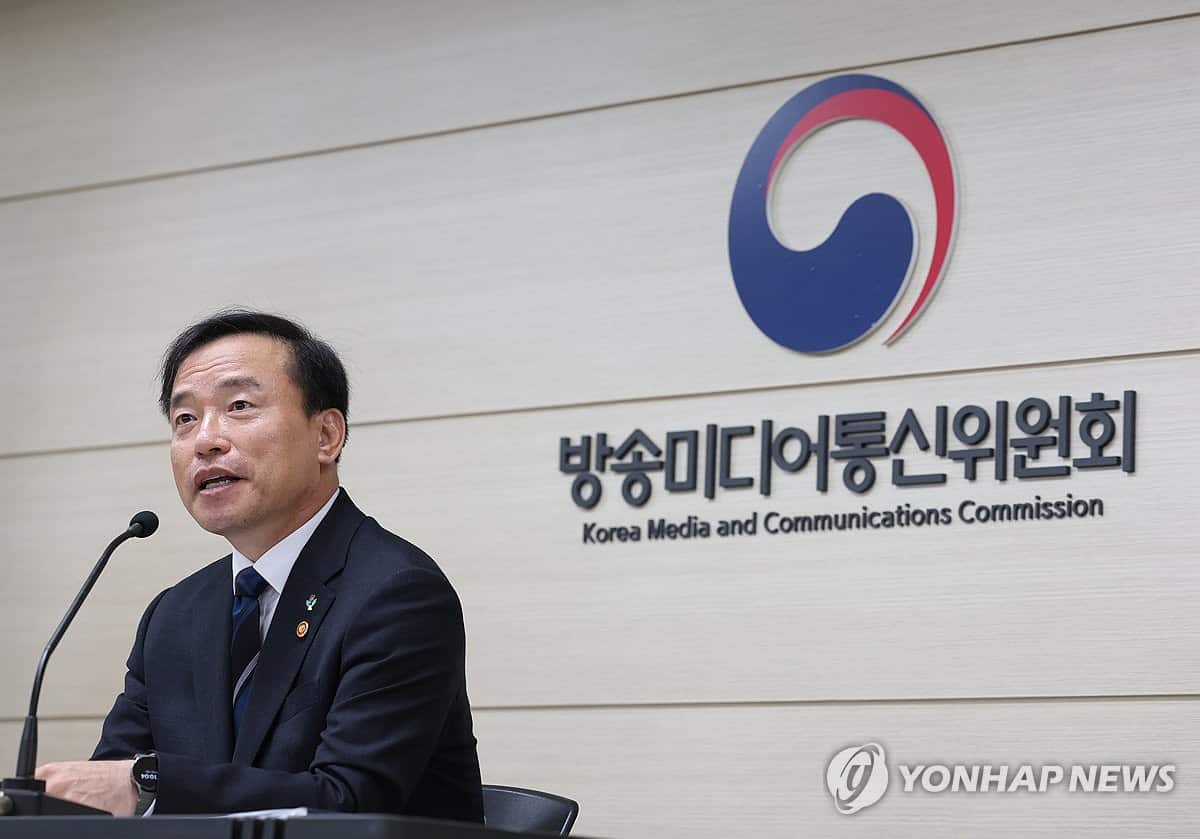
While the Korea Media and Communications Commission has asserted that private platform operators, not the government, will decide on content and that reporting in the public interest is exempt, critics like Professor Kim Hong-yeol of Duksung Women’s University argue it could lead to widespread self-censorship and overly aggressive moderation by internet companies. U.S. Under Secretary of State Sarah B. Rogers also criticized the law, suggesting it endangers tech cooperation and favors civil remedies over "viewpoint-based censorship."