HomeEverythingEducation
Equities & FundsCrypto & Digital AssetsAI & TechnologyBusiness & CorporateUS Politics & PolicyGeopolitics & Global RiskMacro, Rates & FXCommodities & EnergyEuropean Politics & MarketsAsia-PacificReal Estate & Property
← All Stories

Australia's teen social media ban ineffective due to age check failures, study finds

Created at 7 Jul · 6:21 AM1 source↑ Market-relevant
IN SHORT

A study found that Australia's law banning under-16s from social media is ineffective because platforms are failing at initial age verification steps. Researchers opened 50 accounts declaring age 16 and were not asked for proof by most platforms.

✉Newsletter

PiQ Daily

Pick your topics. Get only what matters, on your cadence.

Key Numbers

16minimum age for social media accounts in Australia
50test accounts opened by researchers
10platforms subject to age restrictions
1,000Australians in original age-assurance software trial
4.7 millionsuspected underage accounts reportedly removed in one month

Who's Involved

Andrew Hammond
Director at testing firm KJR and advisor to the government's age check rollout
KJR
Testing firm that ran the original trial for age-assurance software
Meta
Owner of Instagram and Facebook, subject to age restrictions
Snap
Owner of Snapchat, subject to age restrictions
Alphabet
Owner of YouTube, subject to age restrictions
Elon Musk
Owner of X (formerly Twitter)
Kick
Australian-based live-streaming platform
eSafety commissioner
Australian regulator overseeing online safety and age restrictions
Colm Gannon
Australia CEO of the International Centre for Missing & Exploited Children
Amanda Third
Youth digital rights academic and advisor to the trial
Australia's teen social media ban ineffective due to age check failures, study finds

↳ Why This Matters

The findings reveal a significant flaw in Australia's attempt to protect minors online, suggesting that a world-first teen social media ban is failing to achieve its objective due to basic implementation issues, potentially leaving young users exposed to harmful content and online risks.

Key facts

  • Australia's law banning under-16s from social media platforms is largely ineffective.
  • A study found that platforms are failing at the initial age verification steps.
  • Researchers opened 50 accounts declaring the age as 16 and were not asked for proof by most platforms.
  • The initial vetting stage, which guesses age based on online activity, is not identifying young users for further checks.
  • Only one platform, Kick, refused account creation without proof of age.

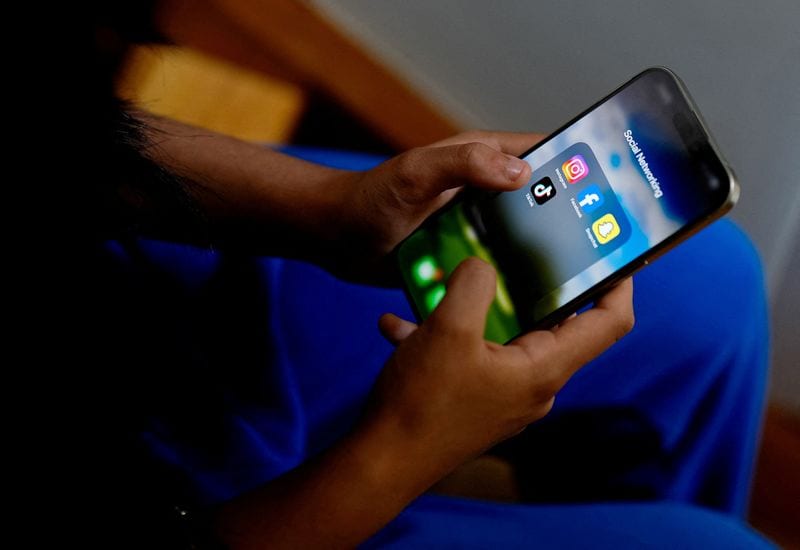
Australia's pioneering law mandating social media platforms to ban users under 16 is proving ineffective due to failures in the initial age verification stages, according to a study by a team that advised the government. The law requires platforms like Instagram, Snapchat, and YouTube to take 'reasonable steps' to prevent underage access.

A follow-up study by software testers found that none of the 50 accounts they opened, which declared the user as 16, were asked to verify their age. Researchers highlighted that the preliminary age-guessing stage, based on general online activity, is not effectively flagging young users for further scrutiny. This contrasts with the government's recommendation for multiple checks.

While platforms are prohibited from solely relying on government-issued identification due to privacy concerns, and none allow sign-ups if users declare themselves under 16, the study revealed a significant gap. Only the Australian platform Kick refused to create an account without proof of age. Meta stated that the dummy accounts declared they were over the minimum age and did not engage in behavior typical of underage users. Kick cited a lack of data for age inference as a reason for its approach.

The Australian eSafety commissioner remains confident in the platforms' ability to prevent underage access, stating that a layered approach with escalating checks, if implemented correctly, has no single point of failure. However, the rollout has faced criticism, with the government warning of potential lawsuits and doubling fines for non-compliance, accusing platforms of undermining the ban.

Frequently asked questions

Australia's law, enacted in December, mandates that social media platforms ban users under the age of 16 and take 'reasonable steps' to verify age.

A study found that platforms are failing at the initial age verification stages, with most not asking for proof of age even when users declare themselves 16.

The study tested accounts on platforms including Meta's Instagram, Snap's Snapchat, TikTok, Alphabet's YouTube, and Elon Musk's X.

The government has doubled the maximum fine for non-compliance and warned of potential court action against tech giants.

What Happens Next

01The government may pursue enforcement lawsuits against non-compliant platforms.
02Platforms are expected to implement more robust age verification methods by mid-year.
03Further data collection will assess the impact of escalating age inference methods.

Get the newsletter.

Pick the topics you actually care about. We'll email when there's news worth your time, on the cadence you choose. Cancel any time from your account.

Cadence

How It Developed

Australia enacted a law requiring social media platforms to ban users under 16.
Platforms were mandated to take 'reasonable steps' to verify user ages.
A study found platforms did not ask for age proof on 50 test accounts declared as 16.
The initial age-guessing stage of verification appears to be failing to identify young users.
Only one platform, Kick, refused account creation without age proof.
Platforms argue they follow regulator guidance prioritizing low-friction vetting.
The government has doubled fines and warned of legal action against non-compliant platforms.

Sources

T1
Exclusive-Australia's teen social media ban fails to clear first hurdle in age checks, says studyReuters

Related Stories

Meta says US states seek $1.4 trillion in penalties in youth safety trial
7 Jul · 3:40 AM
US judge rejects Elon Musk bid to set aside Twitter fraud verdict
6 Jul · 3:31 PM
India's new transgender rules disrupt care, worry doctors
7 Jul · 4:59 AM
South Korea enacts law to curb online misinformation
7 Jul · 6:05 AM
NSW prosecutor gave false evidence on media leak, inquiry finds
7 Jul · 7:21 AM