Key facts
- Russians are using complex technical workarounds like VPNs and multiple phones to circumvent state internet controls and access blocked foreign applications.
- The Kremlin's intensified internet crackdown has disrupted services such as banking, transport, and e-commerce.
- Downloads for the five most popular VPN services surged by 14 times in March compared to the previous year.
- State-backed alternative apps are being promoted to users as part of a drive for 'digital sovereignty'.
- Concerns exist that state-controlled apps may be used for tracking users, although their owner denies this.
- Frustration over internet restrictions, combined with other economic and war-related factors, is believed to have impacted President Putin's approval ratings.
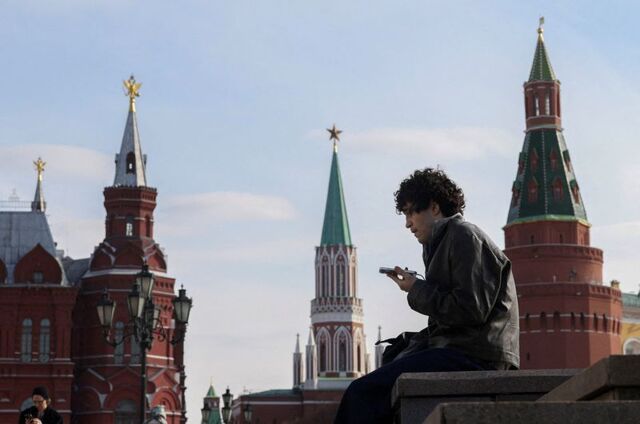
Russians are increasingly employing complex technical workarounds, such as virtual private networks (VPNs) and the use of multiple mobile phones, to circumvent intensified state internet controls and access blocked foreign applications. The crackdown, which has escalated this year, has led to disruptions in banking, transport, and e-commerce, causing significant user frustration.
Downloads for the five most popular VPN services surged dramatically in March, reaching 9.2 million, a 14-fold increase compared to the same month last year, according to data cited by the Russian newspaper Kommersant. This surge highlights the growing demand for tools to bypass restrictions.
Officials are actively promoting state-backed alternative applications and websites as part of a broader initiative for 'digital sovereignty.' However, some users express wariness regarding these alternatives, such as the app MAX, due to concerns that they could be used for tracking, a claim denied by its owner, technology giant VK. Some individuals, like a 41-year-old interior designer identified as Irina, are resorting to using a second phone to access sensitive applications, viewing it as a safer option.
Frustration over these internet curbs, coupled with rising prices, tax hikes, and war fatigue, is widely believed to have contributed to a decline in President Vladimir Putin's approval ratings. His ratings reportedly dropped from 75.1% in February to 65.6% in April, according to state pollster VTsIOM, reaching their lowest point since the conflict in Ukraine began in 2022. Current ratings stand at nearly 67%.
Kremlin spokesman Dmitry Peskov has stated that internet controls are necessary given the current geopolitical climate. However, President Putin has reportedly instructed the government to proceed with caution.