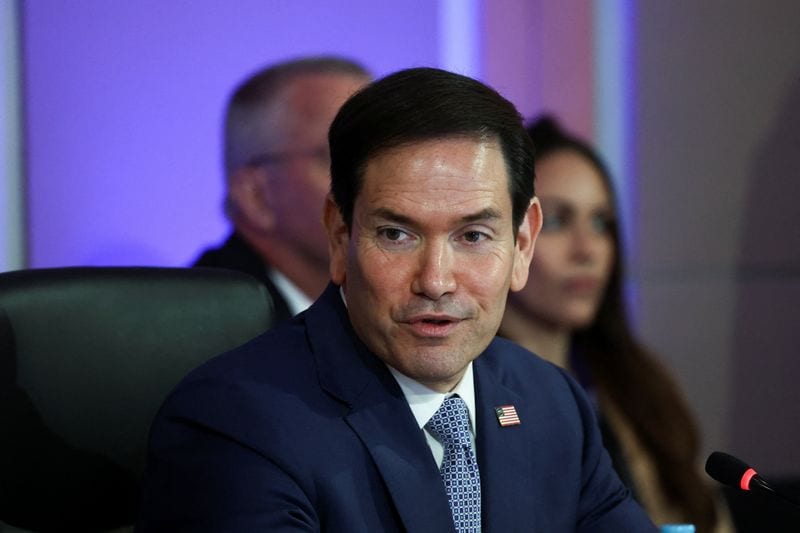
U.S. Secretary of State Marco Rubio has directed diplomats to push back against the notion of a "kill switch" in American technology, according to a Reuters review of a State Department cable. This initiative comes in response to international concerns and backlash following the Trump administration's temporary ban on foreign access to advanced AI models, such as those from Anthropic.
The cable, dated July 16, provides talking points for diplomats to counter arguments for "digital sovereignty" and "AI sovereignty." It clarifies that pausing narrow uses or requiring a 30-day testing window for potent new technologies does not constitute a "kill switch" and that the narrative of a government "magic button" is exaggerated.
Rubio's directive also instructs diplomats to oppose efforts that restrict American tech firms' access to foreign markets, impose localization requirements, or charge "network usage fees." They are also to promote American AI companies' capabilities, describing efforts to build rival systems as a waste of resources.
The U.S. government's actions, including a June 12 move that prompted Anthropic to suspend global access to its advanced models and an executive order requiring voluntary cybersecurity testing, have signaled a new willingness to police AI companies' products. This has fueled concerns among European lawmakers and tech executives about U.S. control over essential technologies and the potential for such control to be used as an economic weapon.