Key facts
- President Daniel Ortega announced Nicaragua will no longer hold elections.
- U.S. Secretary of State Marco Rubio urged international isolation of Nicaragua.
U.S. Secretary of State Marco Rubio called for international isolation of Nicaragua after President Daniel Ortega declared his government would cease holding elections, stating it reveals their authoritarian nature.
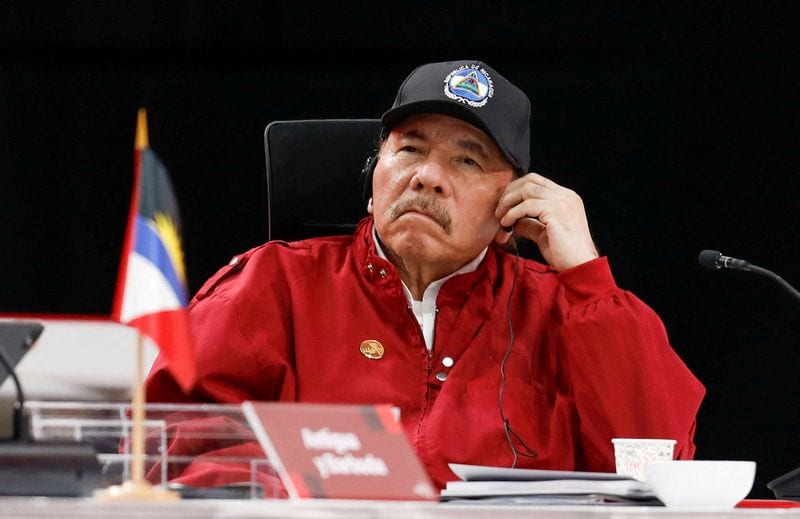
President Ortega's decision to end elections signals a further consolidation of authoritarian rule, potentially leading to increased international sanctions and diplomatic isolation, impacting Nicaragua's economic and political future.
U.S. Secretary of State Marco Rubio called for the international community to isolate Nicaragua following President Daniel Ortega's declaration that his government would cease holding elections. Rubio stated that Ortega's pledge "lays bare their true authoritarian nature" and that Nicaragua cannot expect "business as usual" with other nations while rejecting democratic rule.
Rubio added that Ortega and his wife, Rosario Murillo, "have abandoned even the pretense of popular consent." The Bureau of Western Hemisphere Affairs, in a separate statement, urged "hemispheric partners" to join the U.S. in working to ensure the Nicaraguan people can choose a future free from tyranny.
Ortega made the pledge to end elections in a speech on Sunday, stressing this would block any U.S.-backed movements from taking power. "There won't be any more elections here for them to try to seize the government and seize power," Ortega said. Ortega, 80, has held power continuously since 2007. His wife was named co-president under constitutional reforms last year that also extended the presidential term to six years. In recent years, Ortega has suppressed opposition in the Central American country by jailing dissenters and sending politicians into exile.