Key facts
- NTSB Chair Jennifer Homendy called for Congress to pass aviation safety legislation.
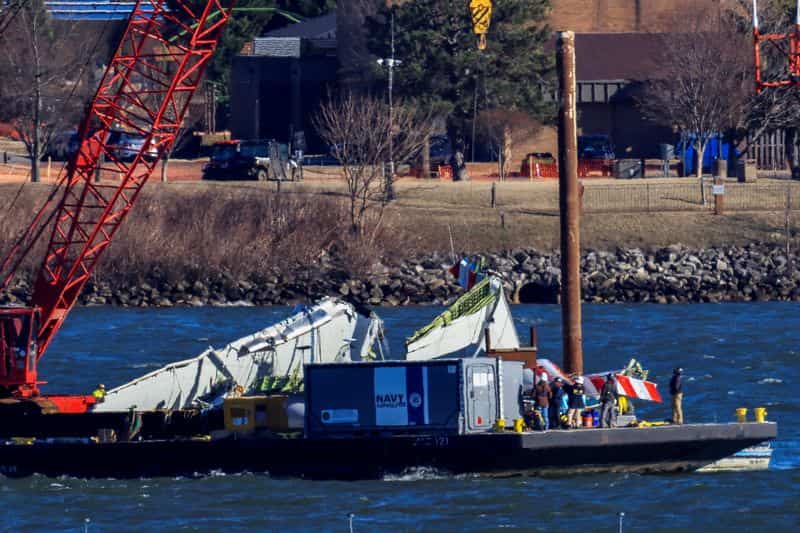
- A 2025 midair collision involving an American Airlines regional jet and a U.S. Army helicopter killed 67 people.
- The NTSB determined FAA failures contributed to the collision, citing a lack of safeguards for helicopter traffic near airports.
- The House passed a bill mandating collision-prevention technologies on most military and civilian aircraft by 2031.
- A competing Senate bill, the ROTOR Act, also aims to improve aviation safety.
- Ongoing talks between the House and Senate aim to reconcile the differing legislative approaches.
National Transportation Safety Board Chair Jennifer Homendy has urged Congress to finalize and pass aviation safety legislation, emphasizing the need for action following a catastrophic midair collision in 2025. The collision, which claimed 67 lives, was attributed by the NTSB to systemic failures by the Federal Aviation Administration (FAA), including inadequate safeguards for helicopter traffic near airports and a failure to act on safety recommendations.
The U.S. House of Representatives previously passed a comprehensive bill aimed at improving aviation safety by mandating the installation of collision-prevention technologies on most military and civilian aircraft by 2031. However, a competing bill, known as the ROTOR Act, passed the Senate unanimously in December. Differences between the House and Senate versions are currently being addressed through ongoing talks.
Homendy stated that the NTSB has provided a clear roadmap to enhance aviation safety and prevent future disasters, expressing a desire for the promised actions to be implemented. The FAA head, Bryan Bedford, indicated that the agency could proceed with implementing technologies like ADS-B independently but prefers legislative direction from lawmakers. The NTSB determined that ADS-B technology would have prevented the 2025 accident.