Key facts
- President Donald Trump has directed his administration to permit U.S. airlines to fly directly to Lebanon.
- The ban on direct flights has been in place since 1985.
- The announcement followed a meeting between Trump and Lebanese President Joseph Aoun.
- Lebanon's Civil Aviation Authority needs one to two months for a feasibility study on commercial viability.
- Formal negotiations between the U.S. and Lebanon are required to establish a new bilateral agreement.
- The Federal Aviation Administration will collaborate on implementing the directive.
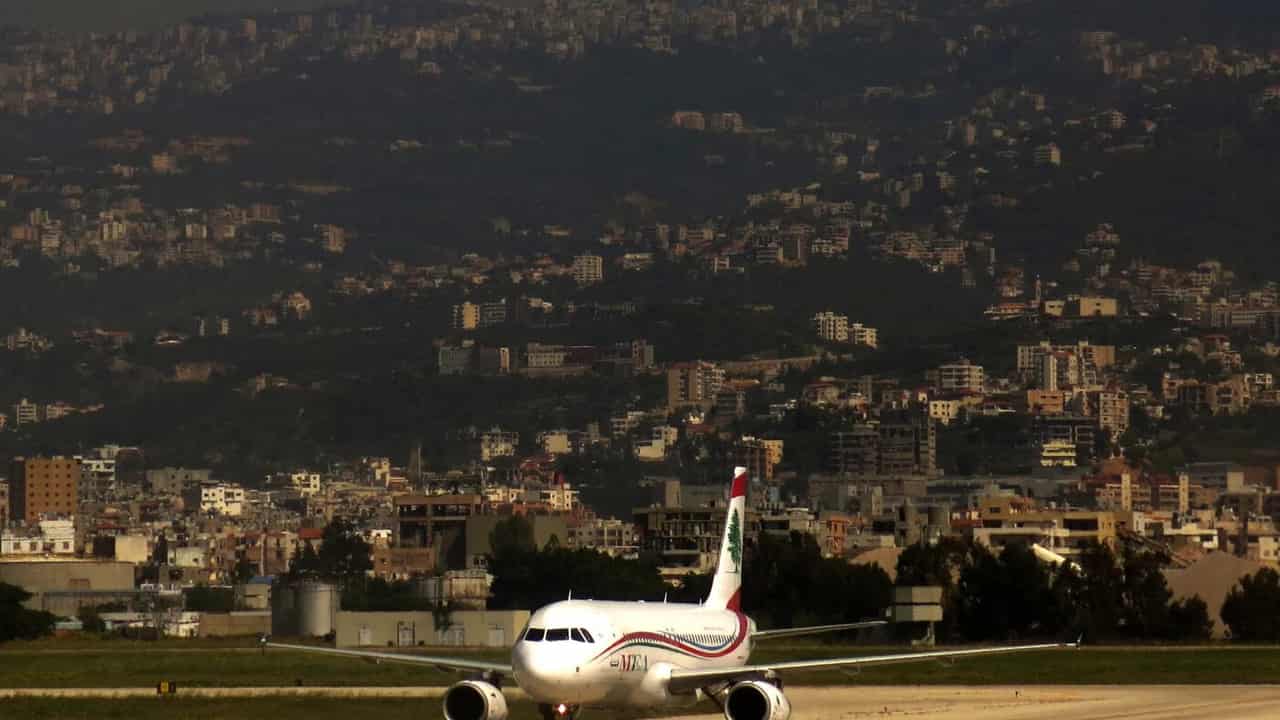
President Donald Trump has announced his administration's intention to allow U.S. airline carriers to resume direct flights to Lebanon, a route suspended for over four decades since 1985. The decision follows a meeting with Lebanese President Joseph Aoun in Washington, signaling a potential easing of travel restrictions that have impacted the large Lebanese diaspora in North America.
Trump stated on Truth Social that he was directing his administration to permit these flights after meeting with Aoun, whom he praised for his work in transforming Lebanon. U.S. Transportation Secretary Sean Duffy confirmed the directive. Lebanese officials view this as a significant outcome from Aoun's visit, aimed at securing visible U.S. support.
However, aviation officials caution that the resumption of flights is not immediate. Mohammad Aziz, director general of Lebanon’s Civil Aviation Authority, indicated that a feasibility study on commercial and technical viability will take one to two months. Following this, formal negotiations between the two countries will be necessary to establish a new bilateral agreement, as the original agreement was terminated after the 1985 presidential decision.
The potential for direct flights is particularly significant for opening a route to Canada, which hosts a substantial Lebanese community. For expatriates, direct flights would reduce travel time and cost, making it easier to visit family and maintain ties with Lebanon. Currently, travelers often transit through Europe or the Gulf, which can be more expensive and prone to disruption.
While the announcement offers hope for boosting tourism, remittances, and diaspora connections, the path to actual flight resumption involves legal arrangements, security assessments, and airline interest. The commercial landscape has also changed since 1985, requiring a reassessment of route viability.