All NewsEducationTV
Equities & FundsCrypto & Digital AssetsAI & TechnologyBusiness & CorporateUS Politics & PolicyGeopolitics & Global RiskMacro, Rates & FXCommodities & EnergyEuropean Politics & MarketsAsia-PacificReal Estate & Property
Story archiveAll categories
← All Stories

Netanyahu's ultra-Orthodox alliance shows signs of fracture before crucial election

Created at 6 Aug · 3:21 PM1 source↑ Market-relevant
IN SHORT

Israeli Prime Minister Benjamin Netanyahu's long-standing reliance on ultra-Orthodox parties is strained by disputes over military conscription, potentially impacting his political survival ahead of a critical election. Divisions within his bloc and among the ultra-Orthodox themselves raise questions about their future alliances.

✉Newsletter

PiQ Daily

Pick your topics. Get only what matters, on your cadence.

Key Numbers

three decadesNetanyahu's reliance on ultra-Orthodox parties
1996Year Netanyahu first became prime minister
96-year-oldAge of Rabbi Dov Lando

Who's Involved

Benjamin Netanyahu
Israeli Prime Minister facing electoral challenges
United Torah Judaism (UTJ)
Ultra-Orthodox party and Netanyahu ally
Shas
Ultra-Orthodox party and Netanyahu ally
Pnina Pfeuffer
Director general of the Ultra-Orthodox Public Organisation
Gadi Eisenkot
Netanyahu's fiercest challenger and former military chief
Avi-ram Tzoreff
Israeli historian and human rights activist
Dan Illouz
Knesset member who left Likud over conscription issue
Rabbi Dov Lando
Spiritual leader of Degel HaTorah (part of UTJ)
Netanyahu's ultra-Orthodox alliance shows signs of fracture before crucial election

↳ Why This Matters

The potential fracture of Netanyahu's alliance with ultra-Orthodox parties could significantly alter Israel's political landscape, impacting election outcomes and the composition of future governments. It highlights deep societal divisions over military service, religious exemptions, and the role of the state.

Key facts

  • Benjamin Netanyahu's governing alliance faces strain due to disputes over military conscription for ultra-Orthodox Jewish men.
  • Ultra-Orthodox parties, historically key allies, are questioning their partnership with Netanyahu.
  • The issue has intensified since the war in Gaza, with calls to end exemptions from military service.
  • Netanyahu's coalition has failed to pass legislation on ultra-Orthodox enlistment, leading to protests and resignations.
  • Spiritual leaders within the ultra-Orthodox community have expressed a loss of trust in Netanyahu.

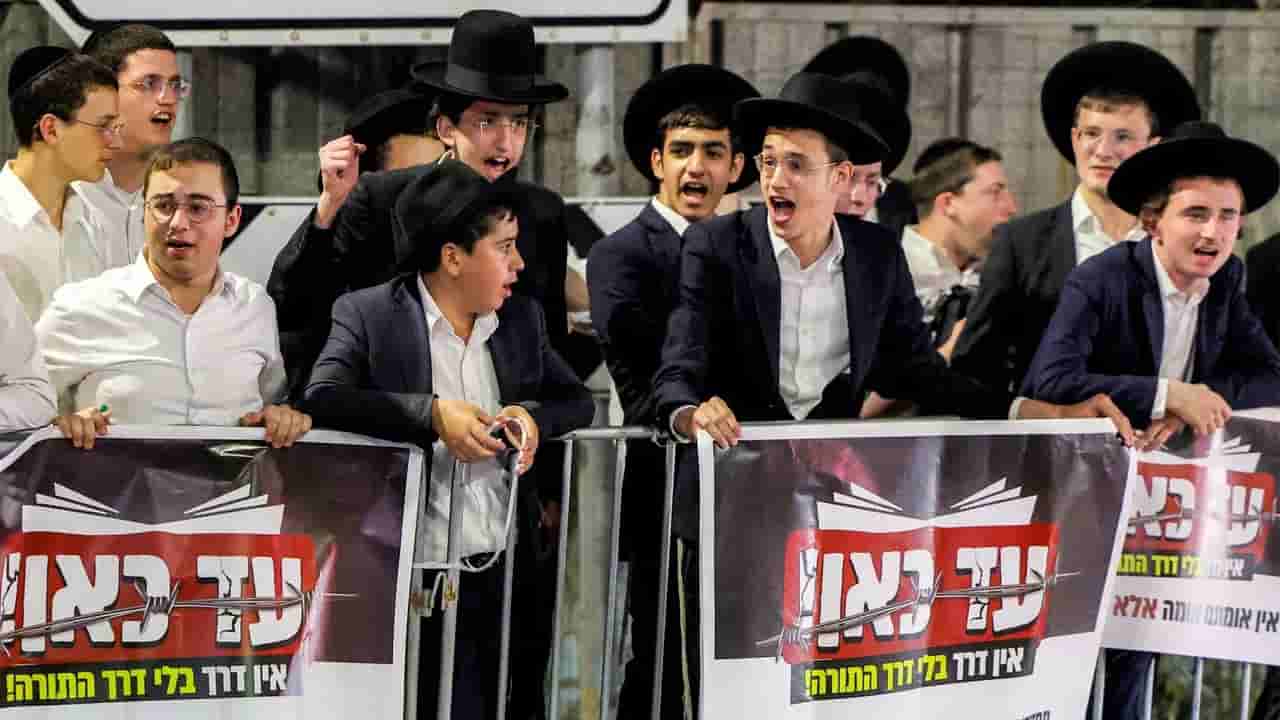
Israeli Prime Minister Benjamin Netanyahu's decades-long political strategy, heavily reliant on ultra-Orthodox parties, is facing significant strain ahead of a crucial election. The core issue is the long-standing dispute over military conscription for ultra-Orthodox Jewish men, a matter that has intensified since the war in Gaza began.

Historically, ultra-Orthodox men have been exempt from compulsory military service to focus on religious studies. However, the ongoing conflict has amplified calls to end this exemption, creating deep divisions within Netanyahu's right-wing bloc and among his ultra-Orthodox allies, United Torah Judaism (UTJ) and Shas.

These divisions have led to internal party resignations and public questioning of the alliance. Rabbi Dov Lando, a key spiritual leader of UTJ, has publicly stated a loss of trust in Netanyahu. Some analysts suggest that opposition leader Gadi Eisenkot, a former military chief, could potentially attract ultra-Orthodox support due to his perceived neutrality on the issue.

The conscription debate also reflects deeper ideological rifts, with some ultra-Orthodox leaders expressing views that distance themselves from the state's military ethos and current conflicts, such as Rabbi Lando's strong criticism of the Religious Zionist movement. This fracturing alliance raises questions about the future coalition strategies for both Netanyahu and opposition parties.

Frequently asked questions

The primary issue is the dispute over military conscription for ultra-Orthodox Jewish men, who have historically been exempt from service.

His most dependable allies have been the United Torah Judaism (UTJ) and Shas parties.

The war has intensified pressure to end the exemption from military service for ultra-Orthodox men.

Ultra-Orthodox leaders have expressed a loss of trust in Netanyahu, and some party members have resigned over the conscription issue.

What Happens Next

01The upcoming election will determine the future political alliances and coalition possibilities.
02Further negotiations or legislative attempts regarding ultra-Orthodox military conscription are expected.

Get the newsletter.

Pick the topics you actually care about. We'll email when there's news worth your time, on the cadence you choose. Cancel any time from your account.

Cadence

How It Developed

Ultra-Orthodox parties have been a key pillar of Benjamin Netanyahu's political support for decades.
A dispute over military conscription for ultra-Orthodox Jewish men is creating unprecedented strain within Netanyahu's governing alliance.
This row has exposed deep divisions within Netanyahu's right-wing bloc.
There is disappointment and anger within the ultra-Orthodox public over their situation.
It is no longer far-fetched that ultra-Orthodox parties could join a government led by Gadi Eisenkot.
The alliance between the ultra-Orthodox parties and the right is not a given.
The question of military service for ultra-Orthodox Jewish men has become a divisive issue since the war in Gaza began.
Ultra-Orthodox men have historically been exempt from compulsory military service to pursue religious studies.

Sources

T1
Netanyahu's ultra-Orthodox alliance shows signs of fracture before crucial electionMiddle East Eye

Related Stories

Blanche confirmation for Trump attorney general a 'work in progress'
5 Aug · 5:31 PM
Court hears Palestine Action defendant suffered emotional turmoil before Elbit raid
6 Aug · 12:56 PM
Modi Uses Instagram to Connect with Young Voters Amidst Job Protests
6 Aug · 10:40 AM
UK MPs urge Home Secretary not to block Gaza evacuations
6 Aug · 12:26 PM
Tennessee GOP Governor Primary Becomes Showdown Between Trump Allies
6 Aug · 10:11 AM