Key facts
- Indian Prime Minister Narendra Modi is using Instagram with casual videos to appeal to young voters.
- The strategy follows Gen-Z protests concerning job and education opportunities.
- Modi's party aims to engage 400 million Gen-Z voters before the 2029 general elections.
- Cabinet ministers and government departments are also issuing short video clips online.
- The approach emphasizes spontaneity and authenticity over scripted messaging.
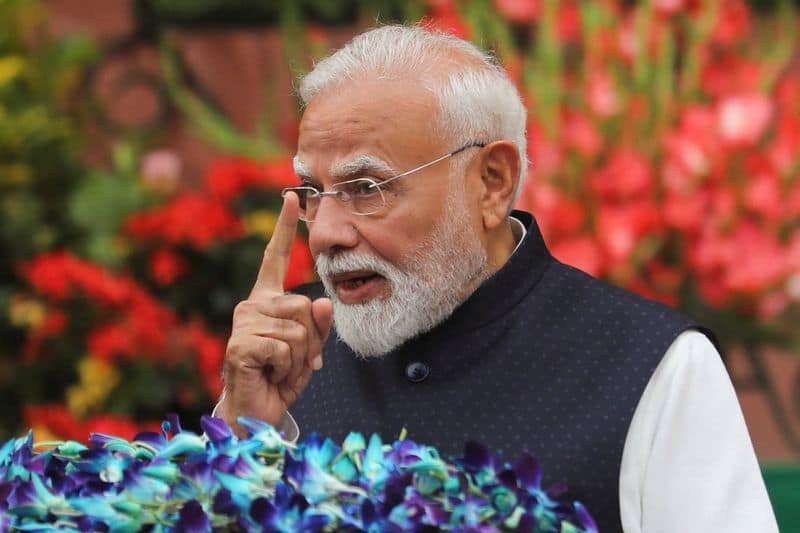
Indian Prime Minister Narendra Modi has turned to Instagram, posting selfie-style videos in a bid to connect with young voters following recent Gen-Z protests that highlighted frustrations over job and education opportunities. The strategy aims to engage approximately 400 million Gen-Z voters ahead of the 2029 general elections.
Modi's party is pivoting its messaging, using platforms like Instagram to broadcast a more informal and authentic political message, moving away from top-down, scripted communication. This shift follows protests that led to the resignation of the education minister after leaked examination papers sparked widespread outcry among students and job seekers.
Cabinet ministers and government departments have also begun issuing a stream of short, less-edited clips online, with the foreign ministry announcing its intention to use Snapchat. Analysts suggest that platforms like Instagram reward spontaneity and humor, which contrasts with the ruling Bharatiya Janata Party's (BJP) previously manicured digital outreach that may have felt too curated for younger audiences.
Experts note the growing political importance of younger voters, who constitute over half of India's population. The BJP's renewed outreach reflects this demographic shift. The party is also engaging beyond social media, with plans for its ideological parent, the Rashtriya Swayamsevak Sangh (RSS), to address students. However, it remains uncertain whether this strategy will resonate with Gen Z, as serious political messaging packaged as short videos can still face online criticism.