Key facts
- Progressive candidates are winning primary elections across the US.
- A new left-wing media ecosystem is helping candidates build national profiles and raise funds.
- Platforms like 'The Majority Report with Sam Seder' and 'Breaking Points' are crucial for these candidates.
- New media entrepreneurs are providing a platform for views underrepresented in traditional media.
- The reach of independent content creators is growing, influencing Democratic politics.
- Some progressive media figures have faced controversy for past statements.
Progressive candidates are increasingly winning primary elections across the United States, a trend bolstered by a burgeoning left-wing media ecosystem that allows them to cultivate a national presence on their own terms and bypass traditional Democratic establishment gatekeepers.
For figures like Pennsylvania state Representative Chris Rabb, a Democratic socialist who recently won a congressional primary, appearances on programs such as 'The Majority Report with Sam Seder' and 'Breaking Points' were instrumental in his breakthrough. Rabb described these platforms as crucial for increasing visibility, gaining validation, and facilitating fundraising.
This expanding network of left-wing websites, podcasters, YouTube hosts, and livestreamers, which often blends opinion journalism with activism, offers candidates a supportive environment to refine their messages and mobilize grassroots support. However, analysts suggest this dynamic also risks exacerbating divisions within the Democratic Party and alienating moderate voters.
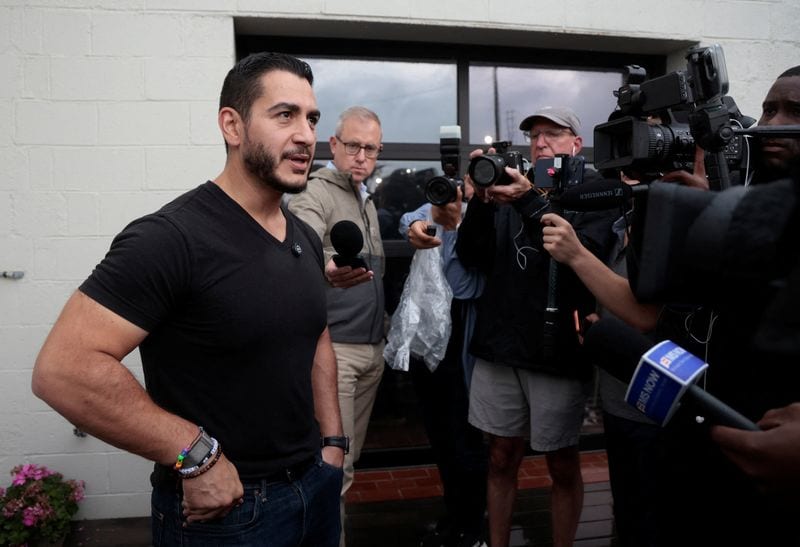
Abdul El-Sayed, a former state health official and a prominent voice in left-wing media, recently secured victory in Michigan's Democratic Senate primary against Haley Stevens, the establishment's favored candidate. Despite being significantly outspent on television advertising by outside groups, El-Sayed's win highlights the growing influence of these new media platforms.
Entrepreneurs in this new media space argue they are addressing a gap in mainstream political coverage, providing a platform for candidates advocating for policies such as universal healthcare, the abolition of ICE, and cuts to military aid to Israel. Mehdi Hasan, who launched his own news organization, Zeteo, noted the demand for diverse viewpoints and stated that the success of his media entity mirrors the success of political candidates leveraging similar channels.
While the American left has historically had its own media outlets, the declining trust in traditional media has elevated independent content creators into influential positions within the Democratic Party. Though smaller and less funded than right-wing media, this growing network is shaping primary campaigns, fundraising efforts, and activist organizing.
Metrics such as Zeteo's 700,000 Substack subscribers and 'The Majority Report's' over 2 million YouTube subscribers, with a significant portion of its audience under 55, illustrate the reach of these platforms. Commentator Hasan Piker, with over 3 million followers on Twitch, actively participates in campaigning for progressive candidates.
Campaign strategists find this new media environment appealing because it allows for in-depth policy discussions, direct voter engagement, and the creation of shareable content for social media. Sam Seder believes his audience, which includes many activists and legislative staffers, helps generate early enthusiasm that can then spread to broader electorates.
Jesse Lehrich, a Democratic operative and podcast co-host, noted that candidates often appear on a circuit of shows, allowing audiences to discover them through trusted ideological figures, creating an interconnected ecosystem where candidates and media figures mutually build their brands.
Many prominent left-wing media personalities are open partisans. Krystal Ball, co-host of 'Breaking Points,' participated in a fundraiser for El-Sayed, and Hasan Piker has canvassed for candidates and attended election night parties. Piker has faced controversy for past statements, including those regarding Hamas and 9/11.
For hosts like Seder, the aim is to educate and energize the existing base, believing that this energized choir will then reach out to independents. Hans Noel, a professor at Georgetown University, observes that these creators energize voters who find the mainstream party platform too moderate, but also notes that such factional voices may hinder compromise in the general election.
Podcasts like 'I've Had It,' started by Jennifer Welch and Angie Sullivan, have also become significant platforms, initially for venting about various annoyances before shifting to political commentary. Their show, with millions of followers, has interviewed figures like Kamala Harris and endorsed candidates like Abdul El-Sayed, reflecting a belief that the Democratic base is more progressive than the establishment recognizes.