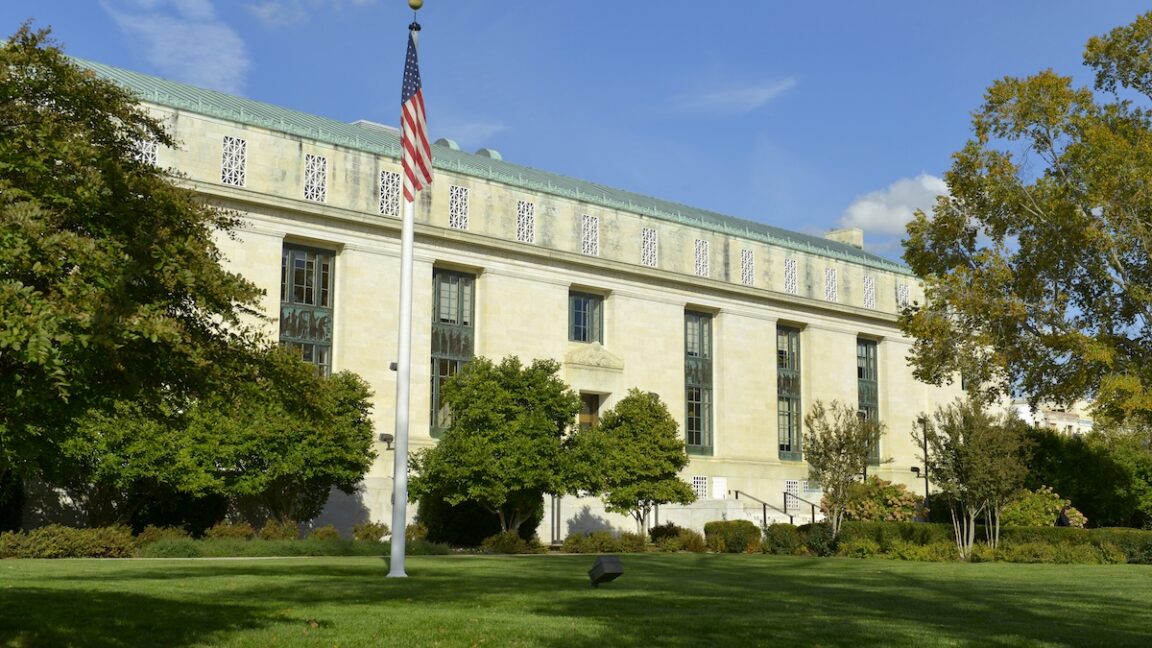
The National Academies of Sciences, a highly respected scientific advisory body founded during the US Civil War, is facing increasing political pressure, particularly from Republican politicians, over its reports on climate change. This pressure appears to be escalating as the organization prepares a new report focused on the attribution of individual weather events to human-driven climate change.
This upcoming report is a significant concern for fossil fuel companies, as it could provide scientific backing for lawsuits seeking damages related to climate change. The issue gained prominence when a chapter on climate change in the fourth edition of the Reference Manual on Scientific Evidence, prepared for the Federal Judicial Center, drew criticism from Republican state attorneys general. They argued the chapter was biased and lacked impartiality by treating human-driven climate change as established science and including perspectives from individuals involved in climate litigation.
Following the Federal Judicial Center's decision to pull the chapter, Republican representatives intervened, urging the Office of Management and Budget to investigate suspending or debarring the National Academies from federal funding. They also threatened investigations over other climate-related reports.
The core of the current dispute lies in the scientific ability to attribute specific extreme weather events to greenhouse gas emissions. Advances in attribution science allow researchers to determine the probability of such events occurring with and without human influence. This capability could enable lawsuits to directly link financial damages from catastrophic weather events to the practices of fossil fuel companies.
As a committee formed under the Biden administration evaluates the scientific standing of these attribution studies, concerns are mounting. Reports indicate that oil companies have hired third parties to seek access to the emails of committee members who work at public universities, suggesting an intense fight ahead that could impact the credibility and funding of the National Academies and potentially damage science-based policy in the US.