Key facts
- Cross-party MPs are demanding an independent investigation into the British Museum's removal of 'Palestine' and 'Israelite occupation' from displays.
- An investigation by Middle East Eye revealed these changes followed lobbying by pro-Israel activists.
- The museum previously claimed the changes were based on 'audience testing', but FOI requests found no record of such testing.
- Internal emails suggest museum staff were concerned about complaints from pro-Israel groups and public figures.
- MPs have labelled the actions 'anti-Palestinian racism' and called for transparency regarding who authorized the changes and why.
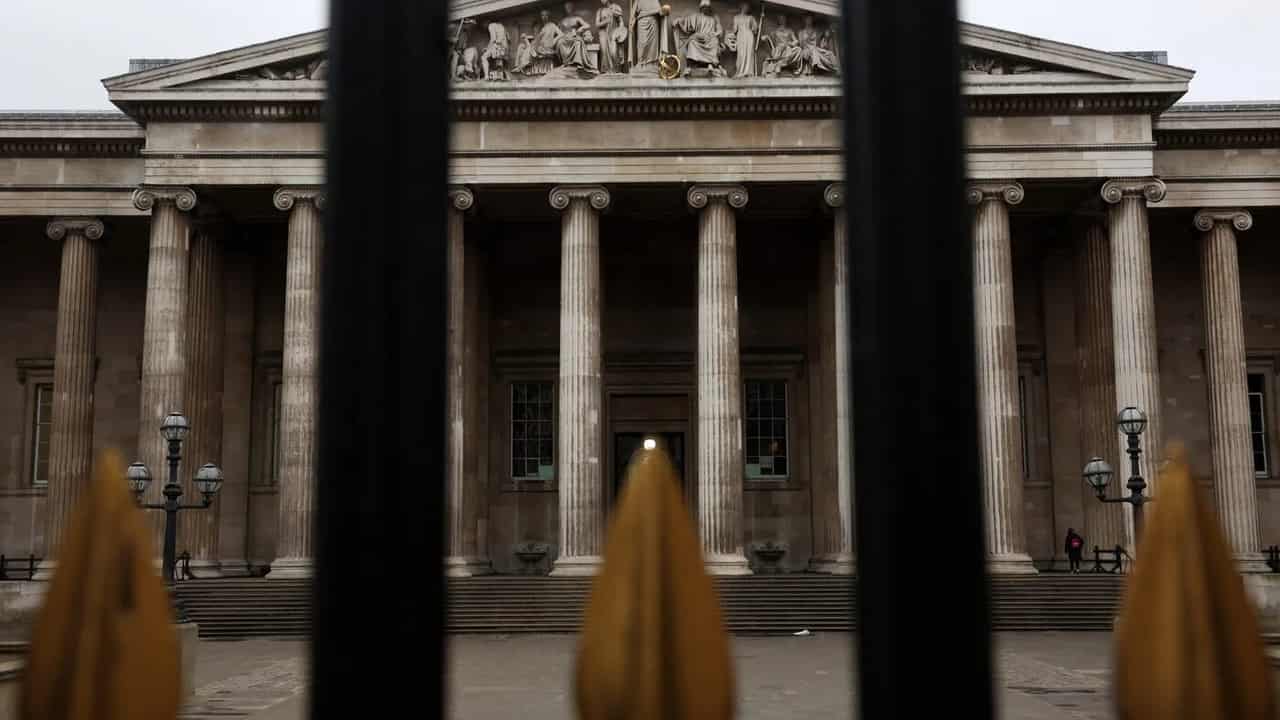
A group of cross-party Members of Parliament in the UK has called for an urgent, independent investigation into the British Museum's decision to remove references to 'Palestine,' 'Palestinian,' and 'Israelite occupation' from its displays. This demand follows an investigation by Middle East Eye (MEE) which revealed that these changes were made in direct response to lobbying efforts by pro-Israel activists between October and December 2024.
Green MP Sian Berry described the findings as 'deeply troubling,' suggesting that succumbing to such pressure would discredit the museum's leadership. Similarly, Your Party MP Jeremy Corbyn characterized the erasures as 'anti-Palestinian racism' and an attempt to 'wipe Palestinians from history.' Labour MP Richard Burgon echoed the call for an inquiry, stating that national institutions should not participate in the erasure of Palestinian history and demanding accountability for who authorized these changes and why.
The British Museum had previously defended the alterations, claiming they resulted from 'audience testing' that indicated the term 'Palestine' was 'no longer meaningful' in certain contexts. However, freedom of information requests disclosed to MEE revealed that the museum holds no records of such audience testing, despite possessing an extensive archive of such reports. Internal museum emails analyzed by MEE indicate that staff were concerned about private complaints from individuals and organizations like the Board of Deputies, a pro-Israel Jewish community organization, as well as social media posts by pro-Israel public figures. One internal email suggested that including 'Israelite occupation' in a display about the Phoenicians, dating back over 2,000 years, could incite hatred and 'justify attacks against Jews.'
Emails also show that some complaints were addressed very quickly, with one being handled within hours. A museum staffer advised colleagues to be 'uber-conscious' of the first anniversary of the October 7 attacks when responding to a complaint from the Board of Deputies. In contrast, MEE found no similar consideration for Palestinians facing what the UN describes as genocide and cultural annihilation. The museum has not responded to MEE's requests for comment on whether it would commission an independent investigation. A spokesperson previously stated that reports of removing the term 'Palestine' are untrue and that the museum continues to use the term across various galleries. Palestinian Ambassador to the UK Husam Zomlot warned that the museum's actions have existential implications, particularly in light of the ongoing conflict. The article also notes that accusations of Israel seeking to destroy Palestinian heritage predate the current conflict, citing a 2022 accusation by Palestinian human rights group Al-Haq of 'cultural apartheid.'