Key facts
- U.S. Representative Maxine Waters has formally requested the withdrawal of a Labor Department proposal that would allow cryptocurrency investments in 401(k) retirement accounts.
- The proposal aims to implement an order from President Donald Trump to open retirement accounts to alternative investments like private equity, private credit, real estate, commodities, and digital assets.
- Waters, the senior Democrat on the House Financial Services Committee, argued that the digital asset market's volatility and lack of federal framework pose significant risks to investors.
- She stated that it is 'incoherent' to bless digital assets for retirement savings while the SEC is still building investor protections for them.
- Waters noted a broader deterioration across the digital asset ecosystem, with collapsed trading activity and user participation.
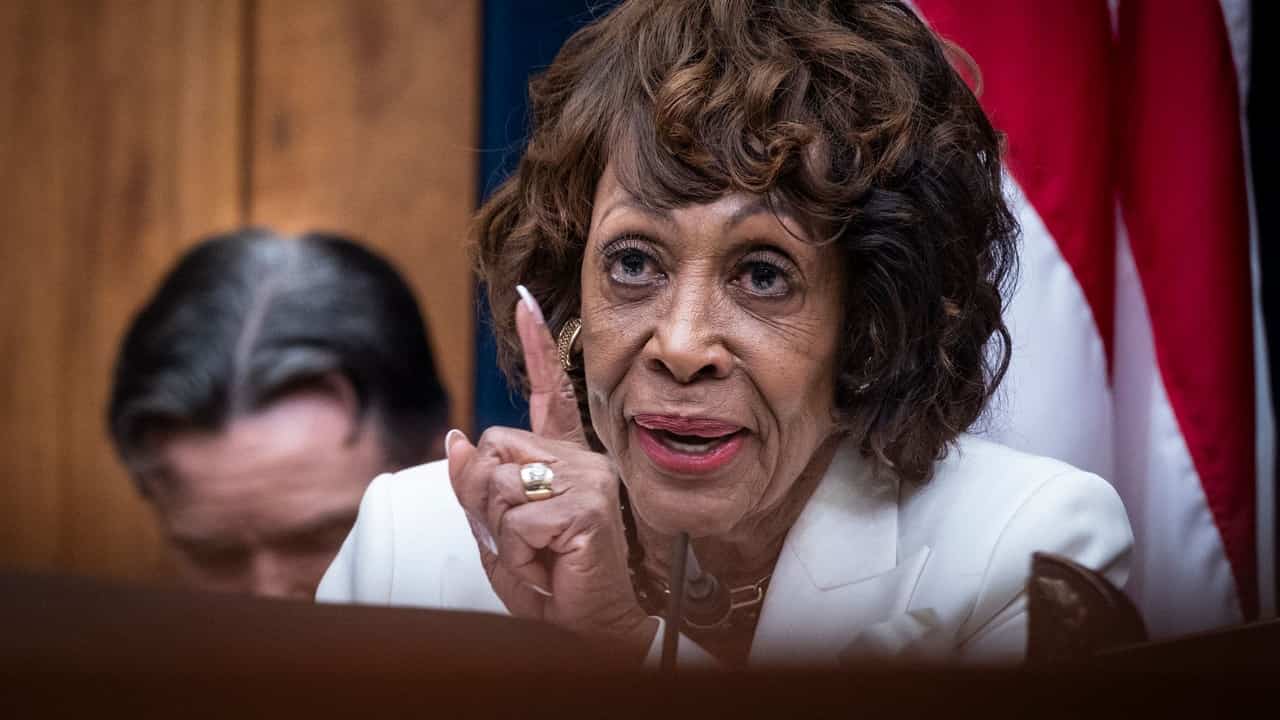
U.S. Representative Maxine Waters has formally requested that the Department of Labor withdraw a proposed rule that would permit cryptocurrency investments within 401(k) retirement accounts. The proposal, stemming from an executive order by President Donald Trump, aims to broaden retirement savings options to include alternative investments such as private equity, real estate, commodities, and digital assets.
Waters, who is poised to potentially chair the House Financial Services Committee if Democrats regain the majority in the upcoming November elections, submitted an 11-page comment letter detailing her objections. She argued that it is contradictory for the department to endorse digital assets for everyday Americans' retirement savings while the Securities and Exchange Commission (SEC) is still in the process of establishing the necessary investor-protection framework.
In her letter to Acting Secretary Keith Sonderling, Waters highlighted the severe volatility of digital tokens and pointed to a broader deterioration within the digital asset ecosystem, characterized by collapsed trading activity and user engagement. She asserted that the market currently operates outside any federal framework and has already resulted in substantial investor losses.