Key facts
- Lawsuits filed against United and Delta allege passengers were charged extra for window seats that do not have windows.
- United argued that a window seat is defined by its position next to the aircraft wall, not by the presence of a view.
- A US district judge has allowed the lawsuit against United to proceed, rejecting the airline's motion to dismiss.
- The lack of windows in certain seats is due to aircraft design, including internal components and seat layout decisions.
- United has updated its booking system to disclose when a selected seat does not have a window.
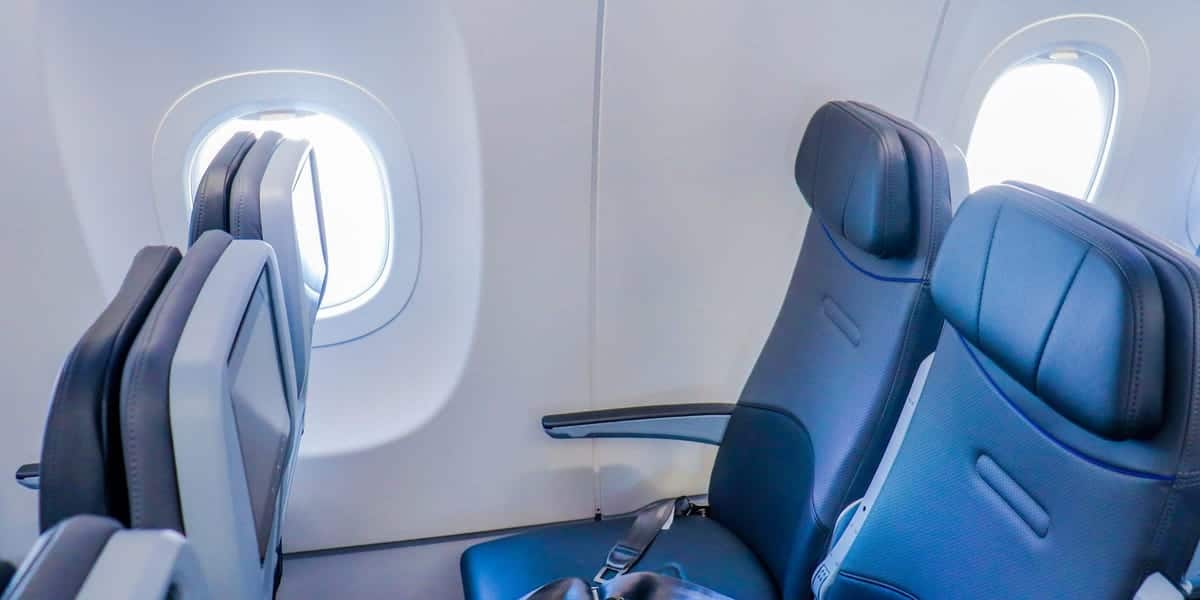
A legal battle over whether certain "window seats" on airplanes actually come with a view is moving forward, after a U.S. district judge rejected a motion to dismiss a lawsuit against United Airlines. The suits, filed in August 2025, allege that airlines like United and Delta charged passengers extra for window seats without adequately warning them that these seats might lack a physical window due to the aircraft's design.
One plaintiff, Aviva Copaken, stated she paid up to $170 for seats that did not offer a view. United had argued in a motion to dismiss that a window seat is defined by its proximity to the aircraft wall, not by the presence of a view. The judge's decision to allow the case to proceed means this definition is now under scrutiny.
Delta's motion to dismiss is still pending. The outcome of these cases could prompt airlines to reconsider how they price and disclose these windowless seats. United has already updated its booking process to indicate when a selected seat does not have a window.
Windowless seats arise from aircraft design, where internal components like air conditioning ducts or electrical wiring can obstruct window placement. Additionally, airline decisions on seat layout and legroom can shift window alignment. These seats are often found near exit rows or in the rear of the cabin, and can be priced at a premium despite the lack of a view.