HomeEverything
Equities & FundsCrypto & Digital AssetsAI & TechnologyBusiness & CorporateUS Politics & PolicyGeopolitics & Global RiskMacro, Rates & FXCommodities & EnergyEuropean Politics & MarketsAsia-PacificReal Estate & Property
← All Stories

Kalshi sues Illinois over new tax on prediction market sports bets

Created at 29 Jun · 5:50 PM1 source↑ Market-relevant
IN SHORT

Prediction market Kalshi has sued Illinois officials, challenging the state's classification of its event contracts as unlicensed sports wagering. The company argues the CFTC has exclusive regulatory authority and that Illinois's new taxes and licensing fees are overly burdensome.

✉Newsletter

PiQ Daily

Pick your topics. Get only what matters, on your cadence.

Key Numbers

1.75 percentinitial tax rate on prediction market sports wagers
3.5 percentsubsequent tax rate on prediction market sports wagers
5 millionwagers before tax rate increase
$1.5 billionIllinois residents' recorded sports betting losses in 2025
$15 millioninitial licensing cost for Kalshi in Illinois
$1 millionannual licensing cost after initial period
80 percentsports trading volume on Kalshi since 2024

Who's Involved

Kalshi
prediction market platform suing Illinois
Kwame Raoul
Illinois Attorney General
J.B. Pritzker
Illinois Governor
CFTC
Commodity Futures Trading Commission, claimed exclusive regulatory authority
Kalshi sues Illinois over new tax on prediction market sports bets

↳ Why This Matters

This legal challenge highlights a growing conflict between states seeking to regulate and tax sports betting and prediction markets like Kalshi, which argue they operate under federal oversight and are distinct from traditional gambling. The outcome could set a precedent for how prediction markets are regulated nationwide and impact their expansion.

Key facts

  • Kalshi sued Illinois officials, challenging the state's classification of its prediction markets as sports wagering.
  • Illinois recently passed a law imposing new taxes on sports betting conducted on prediction markets.
  • Kalshi argues that the Commodity Futures Trading Commission (CFTC) has exclusive jurisdiction over its operations.
  • The company considers the state's $15 million licensing fee and subsequent annual fees too costly and burdensome.
  • Kalshi alleges that complying with Illinois law would force it to choose between violating state or federal regulations.

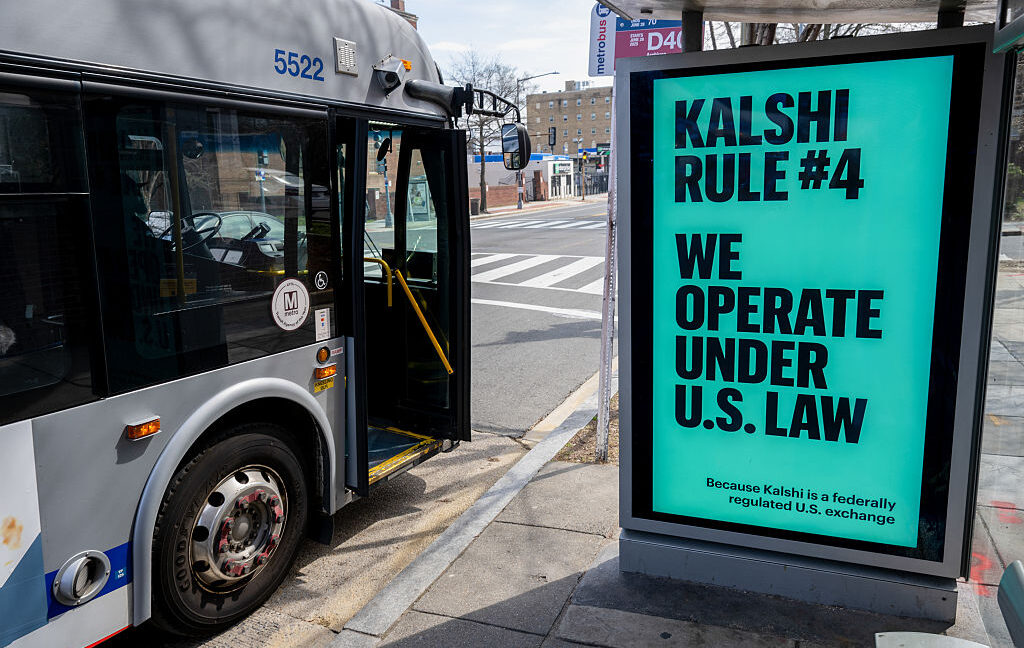
Kalshi, a prediction market platform, has filed a lawsuit against Illinois officials, including Attorney General Kwame Raoul and Governor J.B. Pritzker, challenging the state's recent classification of its event contracts as unlicensed sports wagering. The company argues that such a classification and the associated new taxes and licensing fees are overly burdensome and that the Commodity Futures Trading Commission (CFTC) holds exclusive regulatory authority over its operations.

Illinois recently passed a law that would impose a 1.75 percent tax on the first $5 million in sports wagers per fiscal year, increasing to 3.5 percent thereafter, on prediction markets. Additionally, obtaining a state license would cost Kalshi $15 million for the first four years, followed by $1 million annually. Kalshi, valued at $22 billion, deems these requirements "costly and burdensome."

The company contends that states like Illinois are overstepping their authority by regulating prediction markets as sports wagering operators. Kalshi asserts that its "event contracts" are financial tools used for hedging risks, permissible under CFTC regulation, and not akin to traditional sports bets where traders wager against a "house." The lawsuit seeks a court order clarifying the CFTC's exclusive jurisdiction and a preliminary injunction to halt Illinois's enforcement actions.

States, however, largely disagree with Kalshi's distinction, arguing that the outcomes for bettors are binary and do not serve the traditional purposes of derivatives. Illinois AG Raoul, along with officials from 40 other states and the District of Columbia, previously wrote to the CFTC chair, stating the federal agency "lacks exclusive jurisdiction" and that any distinction between sportsbook bets and prediction-market bets is "illusory."

Frequently asked questions

Kalshi is suing Illinois over the state's new law that classifies prediction markets like Kalshi as unlicensed sports wagering operators, imposing new taxes and licensing fees.

Kalshi argues that the Commodity Futures Trading Commission (CFTC) has exclusive authority to regulate its operations and that its event contracts are financial tools for hedging risk, not sports bets.

Illinois is imposing a 1.75% tax on the first $5 million in sports wagers, then 3.5% thereafter, and a $15 million licensing fee for the first four years, followed by $1 million annually.

Most states disagree with Kalshi's distinction, viewing prediction market bets as functionally similar to traditional sports bets and arguing that the CFTC lacks exclusive jurisdiction.

What Happens Next

01Kalshi seeks a preliminary injunction to stop Illinois from enforcing its new tax and licensing requirements.
02The court will determine whether the CFTC has exclusive regulatory authority over Kalshi's event contracts.

Get the newsletter.

Pick the topics you actually care about. We'll email when there's news worth your time, on the cadence you choose. Cancel any time from your account.

Cadence

How It Developed

Kalshi sued Illinois Attorney General Kwame Raoul and Governor J.B. Pritzker.
Illinois classified Kalshi and other prediction markets as unlicensed sports wagering operators.
Illinois passed a law imposing new taxes on sports betting conducted on prediction markets.
Kalshi argues the CFTC has exclusive authority to regulate prediction markets.
Kalshi seeks a preliminary injunction to stop Illinois from taxing its platform and requiring a license.

Sources

T1
Kalshi sues Illinois over new tax on prediction market sports betsvar abtest_2161044 = new ABTest(2161044, 'impression');Ars Technica

Related Stories

Google warns EU data sharing, AI rules risk user privacy
29 Jun · 6:25 PM
Proxy advisers win third legal battle against Republican-backed 'anti-ESG' rules
29 Jun · 5:56 PM
California law targeting loud streaming ads takes effect July 1
28 Jun · 10:05 PM
Rapper Twista pleads guilty to tax evasion
29 Jun · 4:40 PM
White House to meet law enforcement on crypto bill
29 Jun · 3:30 PM