Key facts
- Japan's ruling Liberal Democratic Party plans to propose stricter enforcement against activist investors.
- The proposals aim to address suspected violations of shareholder disclosure rules.
- The securities watchdog may receive more resources, including personnel and digital tools.
- The party is considering tighter requirements for submitting shareholder proposals.
- The move is framed as creating globally comparable rules, not an 'anti-activist' drive.
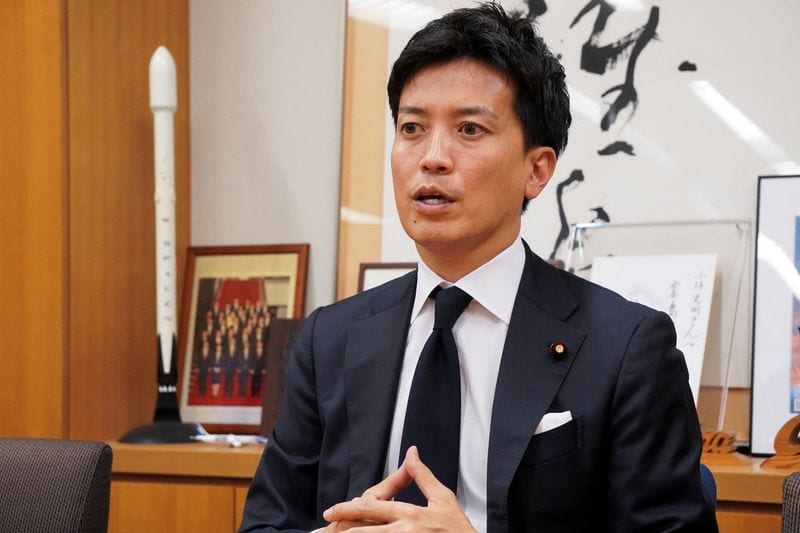
Japan's ruling Liberal Democratic Party is planning to propose enhanced enforcement measures against activist investors who may be violating shareholder disclosure rules. Fumiaki Kobayashi, who leads a party group focused on corporate governance, told Reuters that the proposals aim to ensure globally comparable regulations and strengthen oversight.
Kobayashi indicated that the Securities and Exchange Surveillance Commission, the country's securities watchdog, could be provided with additional resources, including more personnel and advanced digital tools, to investigate suspected breaches. The proposals come as Japan has become a significant market for activist investing outside the U.S., with funds pushing for improved returns and governance. However, concerns exist that some activist demands may prioritize short-term gains over long-term growth investment.
The party group is also expected to recommend a review of the shareholder proposal system, potentially introducing stricter submission requirements and a mechanism for non-binding advisory resolutions. These recommendations stem from broader concerns within the LDP that while corporate profits and shareholder returns have increased, investment in capital expenditure, research and development, and human resources has not kept pace.
Kobayashi rejected characterizations of the proposals as anti-activist, stating the goal is to establish globally consistent rules, bolster enforcement against violations, and help companies better articulate their long-term strategies to shareholders. Recent activist proposals at Japanese companies' general shareholder meetings have included calls for votes against management, such as by Hong Kong-based Oasis Management.