HomeEverythingEducation
Equities & FundsCrypto & Digital AssetsAI & TechnologyBusiness & CorporateUS Politics & PolicyGeopolitics & Global RiskMacro, Rates & FXCommodities & EnergyEuropean Politics & MarketsAsia-PacificReal Estate & Property
← All Stories

Iraq's anti-corruption crackdown faces skepticism despite dramatic raids

Created at 8 Jul · 8:05 AM1 source↑ Market-relevant
IN SHORT

Iraq launched a significant anti-corruption crackdown with dawn raids in Baghdad, arresting 47 officials and seizing millions in cash and gold. However, many Iraqis and analysts remain skeptical about whether the campaign will target the most powerful figures and address systemic corruption.

✉Newsletter

PiQ Daily

Pick your topics. Get only what matters, on your cadence.

Key Numbers

47officials arrested in anti-corruption raids
June 28date of the anti-corruption raids

Who's Involved

Ali al-Zaidi
Prime Minister of Iraq, leading the anti-corruption campaign
Mohammed Basheer
24-year-old from Basra, expressing skepticism about the campaign
Jassim Mohammed
52-year-old from Baghdad, sharing skepticism about the campaign's seriousness
Renad Mansour
Director of the Iraq Initiative at Chatham House, analyzing the raids' external projection
Raad Hashim
Political analyst, agreeing that credibility depends on targeting powerful actors
Sarkawt Shamsulddin
Former Iraqi MP, linking the campaign to Sadrist movement rhetoric
Iraq's anti-corruption crackdown faces skepticism despite dramatic raids

↳ Why This Matters

The anti-corruption crackdown in Iraq is significant as it tests the government's ability to tackle endemic corruption, address public frustration, and signal stability to international partners, particularly the United States, amid regional geopolitical tensions.

Key facts

  • Iraq conducted a large-scale anti-corruption raid on June 28, arresting 47 officials.
  • Millions of dollars in cash and gold were seized during the operations.
  • The raids targeted politicians, members of parliament, and senior officials.
  • Public and expert skepticism remains regarding the campaign's ability to address systemic corruption and target top figures.
  • The timing of the crackdown may be linked to upcoming US-Iraq relations and pressure on Iran-backed groups.

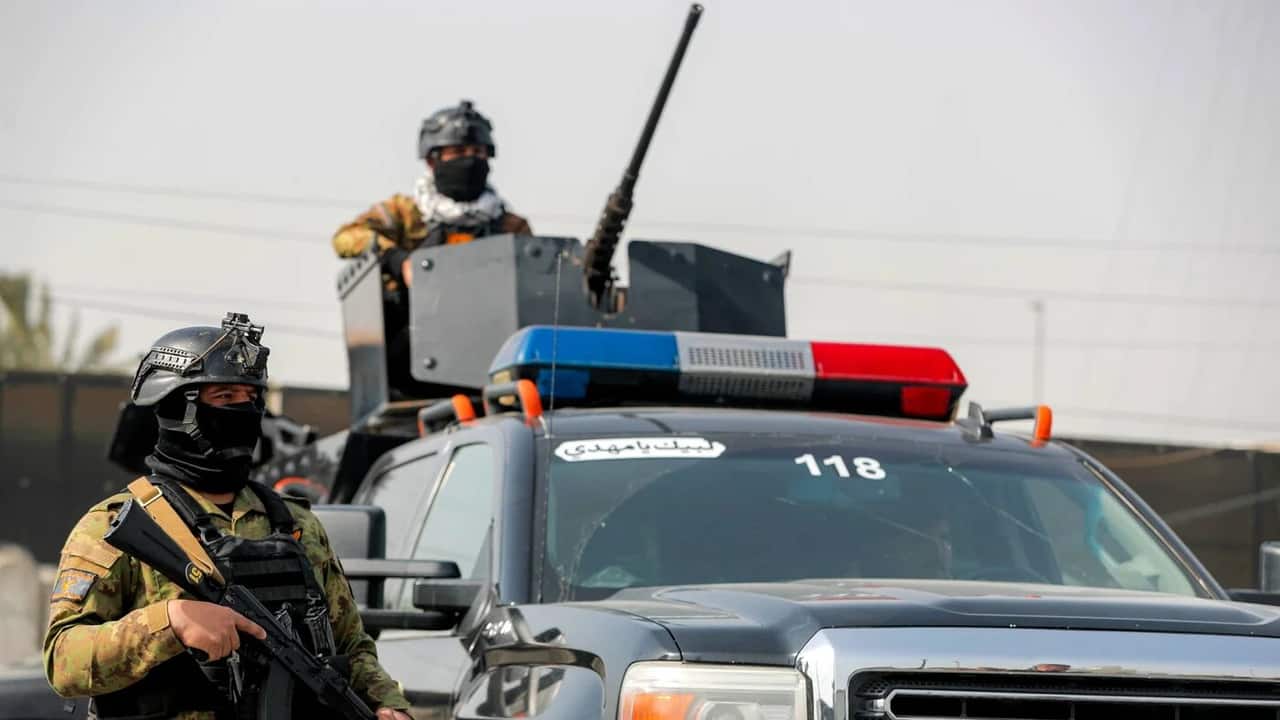
Iraq launched one of its most dramatic anti-corruption crackdowns in years on June 28, with dawn raids in Baghdad's Green Zone leading to the arrest of at least 47 officials, including politicians and senior figures. The operations, which involved tanks and counter-terrorism units, resulted in the seizure of millions of dollars in cash, gold bars, and gold-made lingerie.

Footage of the raids, which targeted homes and offices of officials allegedly involved in irregularities in state projects, quickly circulated on Iraqi television and social media, drawing comparisons to action films. While the display of force was unprecedented by Iraqi standards, many citizens and analysts expressed skepticism about its long-term effectiveness and whether it would ultimately hold the country's most powerful figures accountable.

Prime Minister Ali al-Zaidi's government faces mounting pressure from the US to curb the influence of Iran-backed groups and demonstrate control over Iraqi institutions. The timing of the crackdown, weeks before al-Zaidi's visit to Washington, has fueled speculation that it is intended to reassure both the Iraqi public and international allies. Some experts suggest the campaign is targeting middle-ranking officials who are easier to apprehend, rather than the heads of the patronage system.

Analysts like Renad Mansour of Chatham House believe the raids are aimed at projecting credibility beyond Iraq, particularly to the US and its regional allies, amidst threats of sanctions and the ongoing regional conflict. Political analyst Raad Hashim agreed that the campaign's credibility hinges on its ability to net "big fish" beyond mid-ranking officials, noting that such operations are routine elsewhere but viewed as major in Iraq due to a lack of accustomed action. He also questioned the exclusion of militia leaders and influential figures linked to armed factions.

Sarkawt Shamsulddin, a former Iraqi MP, suggested the campaign aligns with the anti-corruption rhetoric of the Sadrist movement and could generate political momentum ahead of future elections, while acknowledging the political risk al-Zaidi is undertaking.

Frequently asked questions

Dawn raids were conducted in Baghdad's Green Zone, leading to the arrest of 47 officials and the seizure of millions in cash and gold.

Skepticism stems from past campaigns that failed to hold powerful figures accountable and concerns that this crackdown may only target mid-ranking officials.

The raids occur shortly before Prime Minister al-Zaidi's visit to Washington, potentially signaling to the US a commitment to curbing corruption and Iranian influence.

Analysts suggest the campaign is theatrical and targets easier-to-catch officials, rather than addressing the systemic corruption at the highest levels of Iraq's political system.

What Happens Next

01Prime Minister Ali al-Zaidi is scheduled to visit Washington.
02Further actions will determine the campaign's credibility in targeting powerful figures.
03Upcoming parliamentary elections may be influenced by the anti-corruption rhetoric.

Get the newsletter.

Pick the topics you actually care about. We'll email when there's news worth your time, on the cadence you choose. Cancel any time from your account.

Cadence

How It Developed

Iraq conducted dramatic anti-corruption raids in Baghdad's Green Zone on June 28.
At least 47 officials, including politicians and senior figures, were arrested.
Millions of dollars in cash, gold bars, and gold lingerie were seized.
Footage of the raids drew comparisons to action films and dominated Iraqi media.
Many Iraqis expressed skepticism about the campaign's long-term effectiveness and whether it would target top officials.
The timing of the raids coincides with Prime Minister Ali al-Zaidi's upcoming visit to Washington and US pressure on Iran-backed groups.
Analysts suggest the raids aim to project credibility to both the Iraqi public and international allies, particularly the US.
Some experts believe the campaign targets middle-ranking officials as they are easier to apprehend than heads of the patronage system.

Sources

T1
Iraq's anti-corruption crackdown faces scepticism despite dramatic raidsMiddle East Eye

Related Stories

UK Public Believes Israel Committing Genocide in Gaza, Poll Finds
8 Jul · 8:10 AM
Nine countries commit to Canada's proposed global defence bank
7 Jul · 12:49 PM
White House Invites Lebanese President Aoun to Washington July 21
8 Jul · 3:50 AM
Japan's ruling party plans tighter oversight of activist investor disclosures
8 Jul · 4:37 AM
Jay Clayton's nomination hearing for US intelligence director set for July 15
8 Jul · 3:19 AM