Key facts
- ICC prosecutor Karim Khan was dismissed by member states following an 18-month misconduct probe.
- A judicial panel found no wrongdoing, but the ASP bureau recommended removal based on a sexual relationship with a subordinate.
- Professor William Schabas called the ASP's decision "inherently political" and harmful to the court's independence.
- Khan had sought arrest warrants against leaders of non-African states, including Israeli Prime Minister Benjamin Netanyahu.
- The US has opposed the ICC's actions against Israeli leaders.
International law professor William Schabas has criticized the removal of International Criminal Court (ICC) prosecutor Karim Khan, deeming the decision by the Assembly of States Parties (ASP) to be "inherently political" and damaging to the court's independence.
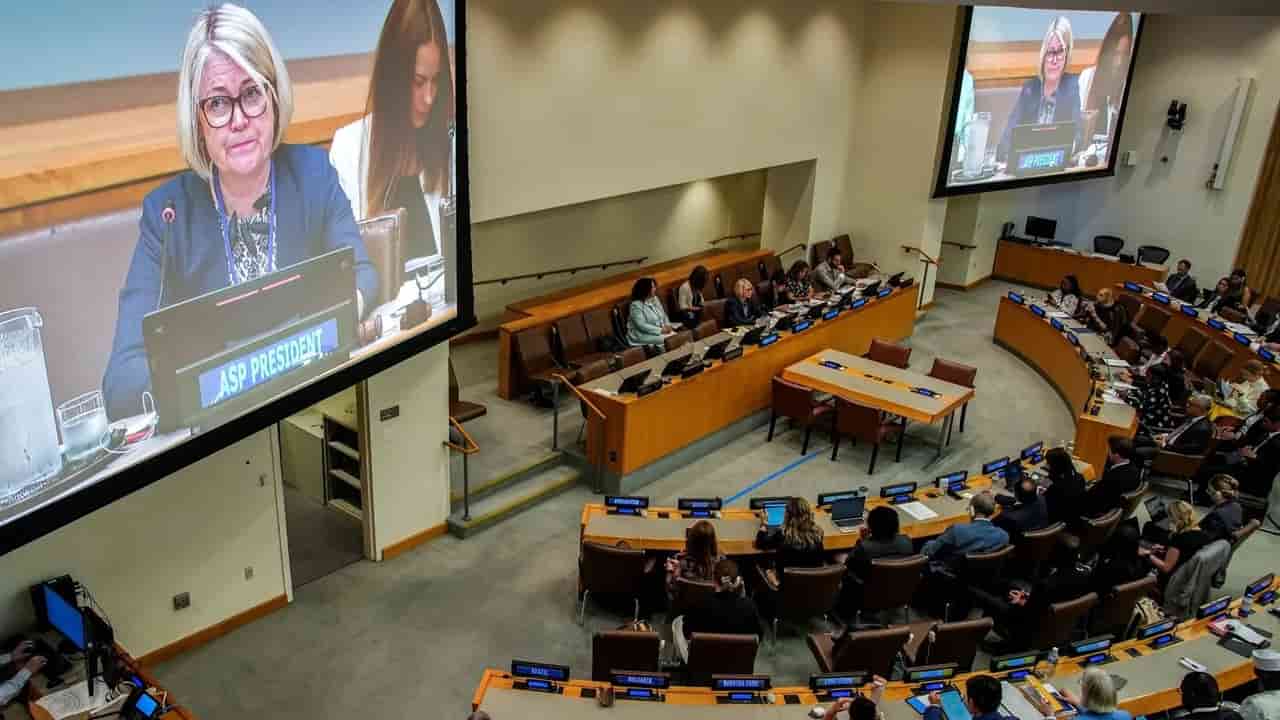
The ASP, the ICC's governing body, voted on July 24 to dismiss Khan after an 18-month misconduct probe, citing "serious misconduct and a serious breach of duty" related to a sexual relationship with a subordinate. This decision contradicted the unanimous conclusion of a three-judge panel appointed by the ASP bureau, which had found that the evidence did not establish wrongdoing under the relevant legal framework.
Schabas, a leading expert in international criminal law, highlighted that the ASP is a political body and its voting process is influenced by member governments' instructions. He argued that the ASP's determination of misconduct was not a judicial decision but a political one, lacking specificity about the alleged acts and failing to indicate what evidence was believed or disbelieved.
The bureau had also amended voting rules to simplify Khan's removal from a two-stage process to a single vote. Rights groups and legal experts have scrutinised the handling of the investigation, raising concerns about politicization and due process.
Khan's tenure was marked by seeking arrest warrants against leaders of non-African states, including Russian President Vladimir Putin and Israeli Prime Minister Benjamin Netanyahu. His May 2024 request for arrest warrants against Netanyahu and then-defense minister Yoav Gallant for alleged war crimes in Gaza led to sanctions by the US against Khan, his deputies, and ICC judges.
Schabas warned that Khan's removal would harm the court and the independence of future prosecutors, who might fear retaliation from states parties for pursuing investigations against certain individuals. He called for revising ICC rules to ensure that removal of an elected official requires a determination by an independent and impartial judicial tribunal.