Key facts
- A new NHS policy, based on the Mann report, bans staff from displaying political symbols and wearing medical scrubs in protests.
- The British Medical Association and Labour MP Kim Johnson have raised concerns about the policy's impact on freedom of speech and potential for overreach.
- Healthcare workers and advocates argue the ban unfairly targets expressions of solidarity with Palestine and is being used to suppress dissent.
- A Palestinian NHS nurse was disciplined for using a watermelon image as a video call background, which was deemed 'potentially antisemitic'.
- The policy is seen by some as part of a broader effort to silence health workers speaking out on the conflict in Gaza.
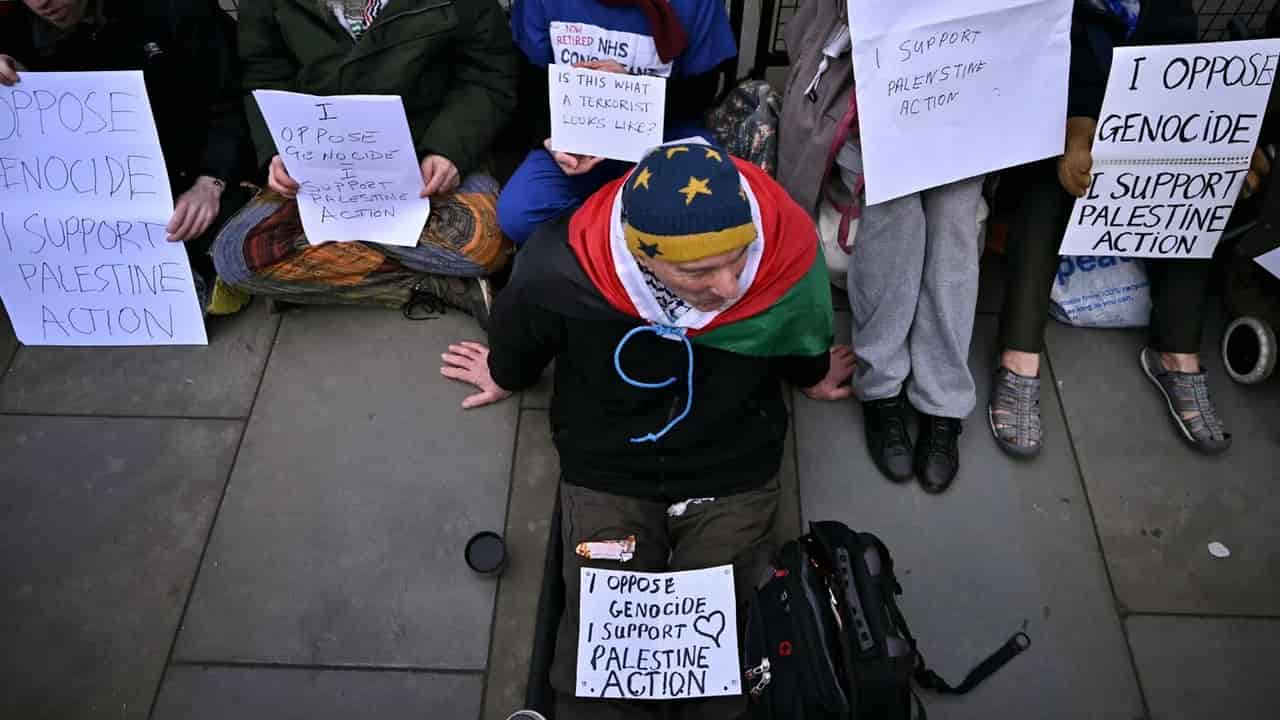
Healthcare workers and politicians have condemned a new NHS policy that prohibits staff from displaying political symbols and wearing medical scrubs during protests, arguing it unfairly targets expressions of solidarity with Palestine. The policy, based on recommendations from the Mann report commissioned by former health secretary Wes Streeting, has been adopted by NHS England and is being implemented by individual trusts.
The British Medical Association (BMA) has voiced concerns that the guidance could infringe upon freedom of speech and expression, noting that the need to combat antisemitism and racism within the NHS is vital but questioning the implementation of some recommendations. Labour MP Kim Johnson echoed these reservations, stating that a blanket ban risks conflating legitimate expressions of identity and solidarity with misconduct, particularly in the context of advocacy for Palestinian rights.
Medact spokesperson Nina Radulovic criticized the Mann report's recommendations for delivering a verdict rather than fostering discussion, suggesting that some politicians and media outlets are more interested in suppressing dissent than engaging in meaningful dialogue. Professor Nick Maynard, a British surgeon who has worked in Gaza, described the reporting around the policy as dishonest, conflating support for Palestine with antisemitism and aligning with government rhetoric.
Dr Omar Abdel-Mannan, co-founder of Health Workers 4 Palestine, views the policy as part of a wider censorship effort, particularly targeting health workers due to the perceived power of their words. He also questioned the NHS's ability to gather data on racism within trusts, which could hinder the review's effectiveness. The targeting of Dr Ghassan Abu-Sittah, a Palestinian doctor reported to the General Medical Council for his activism, has reportedly had a 'chilling effect' on other health workers.
Ahmad Baker, a British-Palestinian nurse, was ordered to remove a watermelon painting from his video call background, deemed 'potentially antisemitic'. He has launched a legal challenge, arguing that his identity is being suppressed during a time of alleged genocide against Palestinians. Baker highlighted the hypocrisy, noting that Ukrainian symbols did not face similar controversy. He asserted that healthcare neutrality should not extend to political opinions, especially when confronting genocide.
Advocacy group Health Workers for a Free Palestine stated that implementing the Mann report's recommendations would create a 'farcical reality' where managers focus on arbitrating symbols instead of patient care, while the Palestinian health system is under attack.