Key facts
- Flock will require all agencies with access to license plate reader data to use a safety tool that detects abnormal activity.
- The tool automatically suspends access for officers who abuse their data access for personal stalking.
- Flock CEO Garrett Langley stated the company made a mistake by not making the tool a requirement earlier.
- Experts and civil liberties groups question the effectiveness and transparency of Flock's new safety tool.
- The ACLU recommended an independent evaluation of Flock's technology.
- Former San Francisco District Attorney Chesa Boudin suggested that accountability ultimately depends on local agencies' motivation to discipline officers.
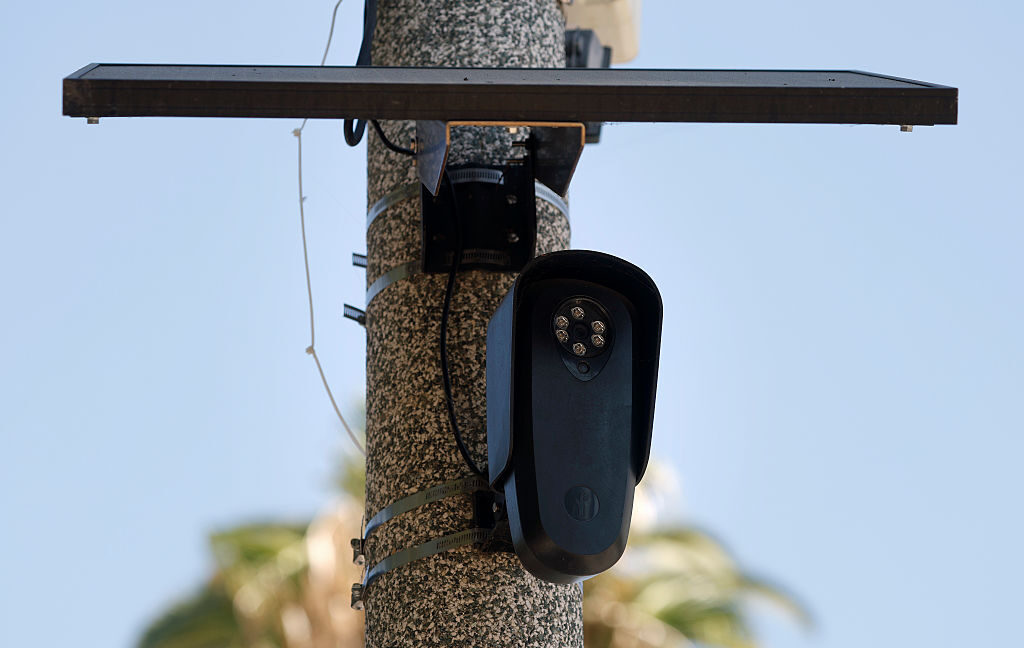
Flock, a company providing license plate reader data access, announced plans to mandate a safety tool designed to prevent law enforcement officers from misusing the technology for personal stalking. The tool automatically suspends an officer's access when their activity is flagged as abnormal, requiring administrator review for reinstatement. This change comes after Flock observed dozens of incidents, including one in Georgia where three officers were arrested for using Flock cameras to stalk acquaintances.
Flock CEO Garrett Langley admitted the company had previously erred by offering the tool as an optional feature, with only a third of agencies opting in. He stated that making the tool mandatory is an obvious step to curb abuse. However, experts and civil liberties advocates remain skeptical about the tool's efficacy and the transparency of its implementation.
The ACLU has called for an independent evaluation of Flock's technology, warning that there is currently no evidence to demonstrate its consistent ability to detect and prevent misuse. They argue that without transparency regarding the number of violations detected, it is impossible to ascertain the tool's effectiveness. The organization also suggested that Flock's announcement might be a public relations effort rather than a genuine attempt to address privacy concerns.
Chesa Boudin, former San Francisco District Attorney, echoed these concerns, stating that while Flock's reforms might catch individual instances of misuse, the ultimate decision to discipline officers rests with local agencies. He highlighted that police misconduct is often handled internally, making it easy to conceal abuses, and that pursuing criminal charges for misusing internal technology is already difficult without specific statutes.
Further complicating matters, Saira Hussain, an attorney with the Electronic Frontier Foundation, noted that a new requirement for case numbers for searches could be easily bypassed by officers, potentially allowing them to conduct searches related to stalking without triggering the audit tool. The ACLU also pointed out that a similar, previously optional feature had done little to prevent abuse, questioning how making it mandatory would improve its functionality.
Flock cameras are currently used by approximately 7,000 law enforcement agencies across 49 states, covering about 40 percent of police departments in the U.S. The ACLU noted that similar privacy concerns extend to competitors' automated license plate readers.