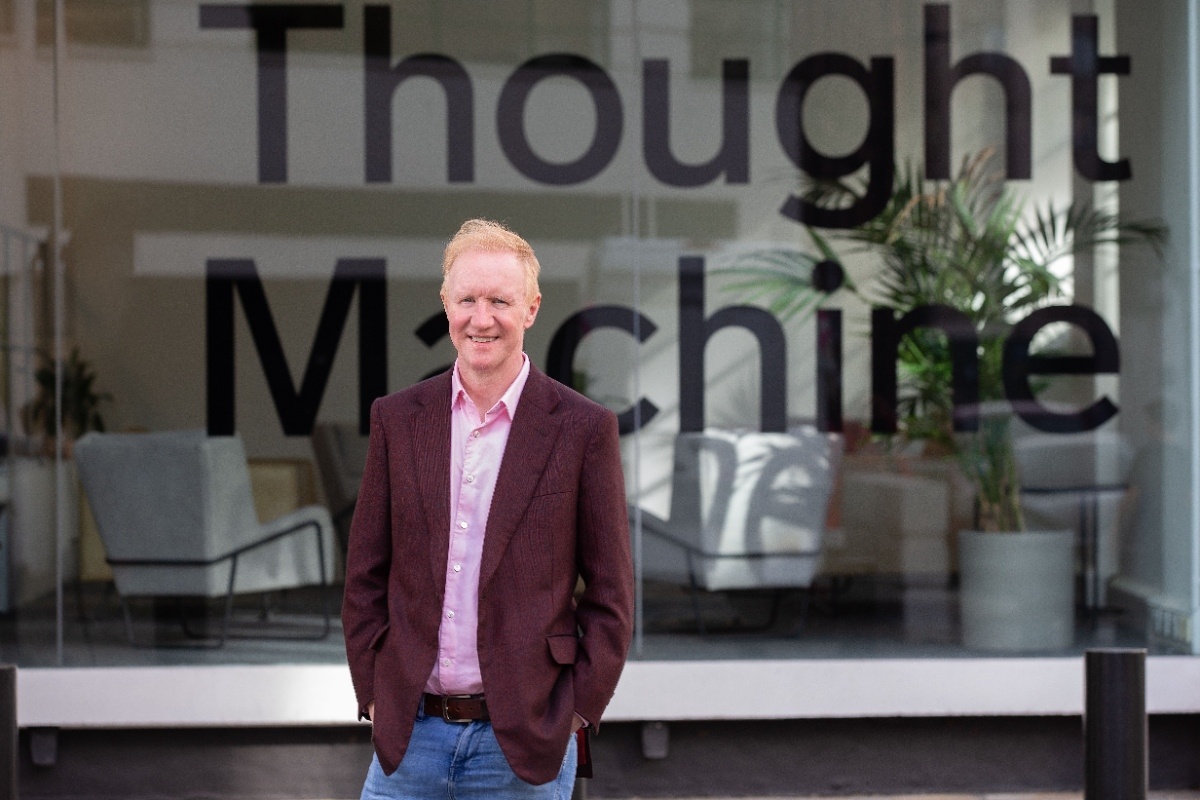
Key facts
- Fintech unicorn founder Paul Taylor warned of excessive tax and regulation in the UK.
- Taylor stated that these issues are deterring entrepreneurs and impacting the IPO market.
- He criticized proposals to increase capital gains tax, calling them 'profoundly unfair'.
- Taylor suggested tax holidays for venture capital investors as a better incentive.
- Thought Machine is considering listing locations beyond London due to market conditions.
Paul Taylor, the founder of the UK fintech unicorn Thought Machine, has expressed significant concerns regarding the country's economic policies, particularly high taxation and extensive regulation. He warned that these factors are creating an environment that discourages entrepreneurship and could negatively impact the UK's initial public offering (IPO) market.
Taylor stated that businesses are struggling under mounting cost pressures, describing the situation as "hanging on by the fingernails." He specifically criticized the prospect of a capital gains tax (CGT) increase, which has been floated by Wes Streeting as part of a "wealth tax that works" to align CGT with income tax rates. Taylor labeled this proposal as "profoundly unfair," arguing that the current 24% rate on occasional gains is reasonable. He fears that such a hike would disincentivize selling assets, especially given the potential for political shifts.
The fintech chief also commented on the UK's stamp duty for new listings, calling it "anachronistic." While acknowledging Chancellor Rachel Reeves' attempt to stimulate IPOs with a three-year holiday from the 0.5% levy, Taylor deemed the change insufficient to sway decisions. He suggested that offering capital gains tax holidays to venture capital investors would be a more effective strategy to foster positive sentiment and encourage tech companies to list in London.
Thought Machine, founded in London over a decade ago and valued at $2.7 billion in 2022, saw its revenue grow 57% to nearly £75 million in the past year. Taylor anticipates the company could go public within two to three years but is undecided on London as the listing location, citing the need for a rational decision alongside sentimental preference. He fears that the current economic climate is deterring entrepreneurs who once viewed London as the most dynamic place in Europe to start companies, especially as other countries are actively promoting entrepreneur visas.