HomeEverything
Equities & FundsCrypto & Digital AssetsAI & TechnologyBusiness & CorporateUS Politics & PolicyGeopolitics & Global RiskMacro, Rates & FXCommodities & EnergyEuropean Politics & MarketsAsia-PacificReal Estate & Property
← All Stories

FAA proposes rule for quieter supersonic flights over US cities

Created at 2 Jul · 5:36 PM1 source↑ Market-relevant
IN SHORT

The FAA has proposed a new rule that would allow supersonic aircraft to fly over U.S. cities if their sonic booms are quiet enough to not be heard on the ground. This proposal comes as Congress also considers legislation to permit such flights.

✉Newsletter

PiQ Daily

Pick your topics. Get only what matters, on your cadence.

Key Numbers

75 PldBtarget sonic thump level for X-59
2027FAA target for finalizing noise regulations
2029Boom Overture target delivery year
$2.8 billionConcorde development costs

Who's Involved

FAA
proposed rule for quieter supersonic flights over US cities
US lawmakers
pushing forward Supersonic Aviation Modernization Act
NASA
testing quieter supersonic flight with X-59 Quesst
Lockheed Martin
developer of the X-59 Quesst aircraft
Boom Supersonic
developing Overture supersonic airliner and natural gas turbines
Blake Scholl
CEO of Boom Supersonic
Scott Kirby
CEO of United Airlines, commenting on Boom's chances
FAA proposes rule for quieter supersonic flights over US cities

↳ Why This Matters

The FAA's proposed rule and congressional action could pave the way for the return of commercial supersonic air travel over land, potentially reducing flight times for long-haul routes, but its success hinges on technological advancements in noise reduction and economic feasibility.

Key facts

  • The FAA has proposed a rule allowing supersonic aircraft to fly over U.S. cities if their sonic booms are not audible on the ground.
  • Congress is considering the Supersonic Aviation Modernization Act, which passed the House and aims to permit overland supersonic flights.
  • NASA's X-59 Quesst experimental aircraft is designed to minimize sonic booms to a 'sonic thump' level.
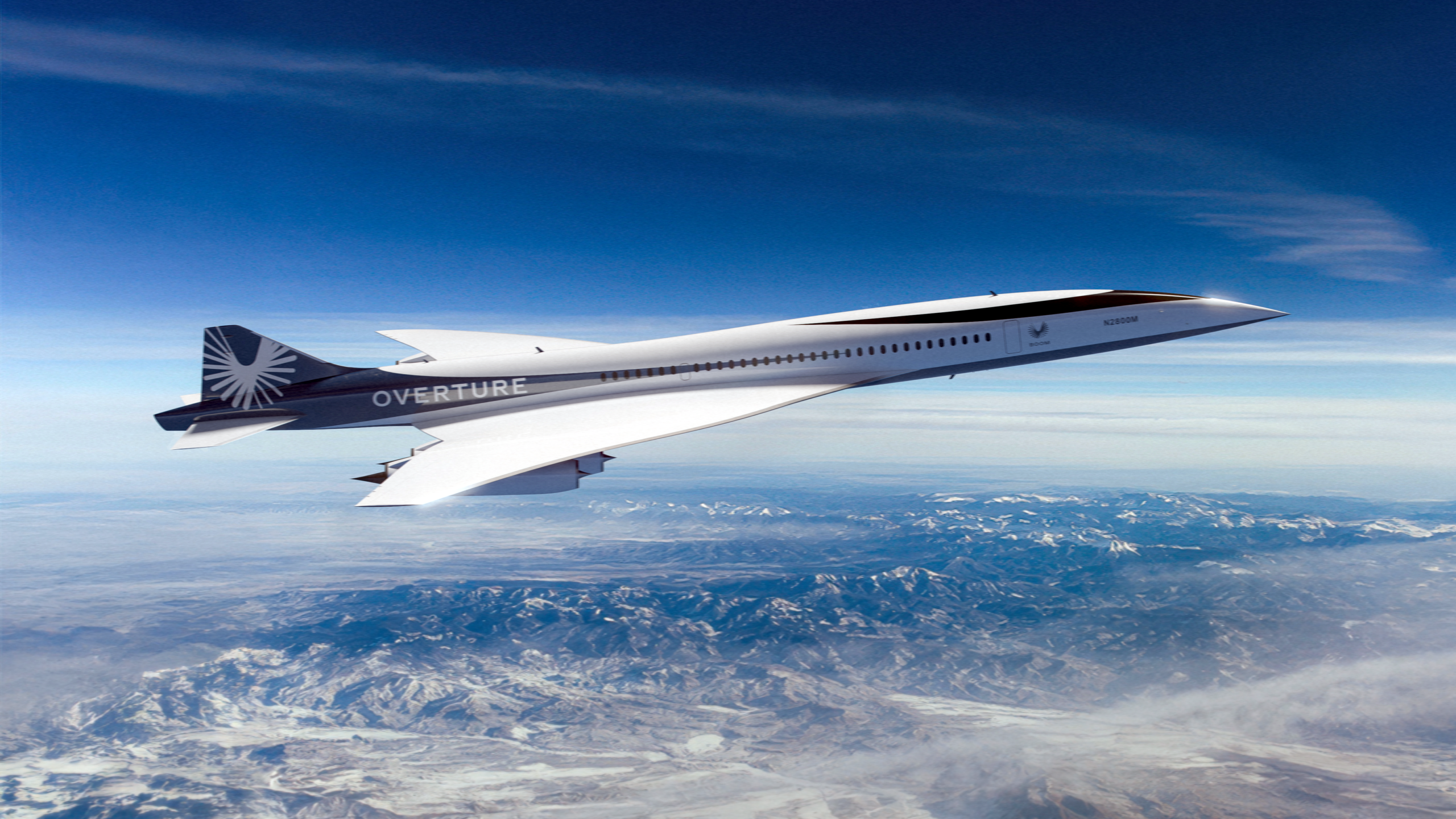
  • Boom Supersonic is developing the Overture supersonic airliner, with potential customer deliveries by 2029.
  • Boom Supersonic is also diversifying into producing natural gas turbines for AI data centers.

The Federal Aviation Administration (FAA) has proposed a new regulation that would permit supersonic aircraft to fly over U.S. cities, provided their sonic booms are sufficiently quiet to not be heard on the ground. This move comes as Congress also advances legislation aimed at enabling overland supersonic flights.

Lawmakers are working on the Supersonic Aviation Modernization Act, which has already passed the House of Representatives and is awaiting a Senate vote. This bill mandates that the FAA allow supersonic flights as long as no sonic boom reaches the ground.

NASA is concurrently testing its experimental X-59 Quesst aircraft, designed with a needle nose to reduce sonic booms to a mere 'sonic thump.' The agency aims for these thumps to be around 75 PldB, comparable to a car door slamming at close range. Future flight tests over U.S. communities are intended to gather public feedback, which could influence regulatory decisions by aviation authorities.

The FAA has until mid-2027 to finalize its proposed noise regulations for overland supersonic flights and plans to introduce separate standards for takeoff and landing noise later this year.

While quieter supersonic flight may become legal, its commercial viability remains uncertain. The Concorde, though significantly faster than conventional airliners, struggled with high fuel consumption and development costs. Boom Supersonic is developing the Overture, with initial deliveries targeted for 2029 and commercial agreements with major airlines. However, Boom has also ventured into producing natural gas turbines for AI data centers, a move that CEO Blake Scholl suggests will help fund Overture's development. United Airlines CEO Scott Kirby has expressed a 50/50 outlook on Boom's success in launching its supersonic airliner.

Frequently asked questions

The FAA has proposed a rule that would allow supersonic aircraft to fly over U.S. cities if their sonic booms are quiet enough not to be heard on the ground.

NASA is testing the X-59 Quesst experimental aircraft, which is designed to reduce sonic booms to a 'sonic thump' level, aiming for around 75 PldB.

Overture is a supersonic airliner being developed by Boom Supersonic, with a goal of customer deliveries by 2029. The company is also producing natural gas turbines for AI data centers.

This is a bill in the U.S. Congress that would require the FAA to permit overland supersonic flights as long as no sonic boom reaches the ground.

What Happens Next

01FAA to propose takeoff and landing noise standards for supersonic aircraft later this year.
02Supersonic Aviation Modernization Act awaits a vote in the Senate.
03FAA aims to finalize overland supersonic flight noise regulations by mid-2027.
04Boom Supersonic aims for first Overture aircraft deliveries by 2029.

Get the newsletter.

Pick the topics you actually care about. We'll email when there's news worth your time, on the cadence you choose. Cancel any time from your account.

Cadence

How It Developed

FAA proposed a rule for supersonic aircraft to fly over US cities if sonic booms are not heard on the ground.
US lawmakers are advancing the Supersonic Aviation Modernization Act, which passed the House.
NASA is testing the X-59 Quesst aircraft to reduce sonic booms to a 'sonic thump'.
Future X-59 flight tests will gather community feedback to inform regulations.
The FAA plans to propose takeoff and landing noise standards for supersonic aircraft later this year.
Boom Supersonic is developing the Overture supersonic airliner, aiming for customer delivery by 2029.
Boom Supersonic is also producing natural gas turbines for AI data centers.
United Airlines CEO Scott Kirby estimates Boom has a 50/50 chance of its supersonic airliner flying.

Sources

T1
FAA proposal: Supersonic airliners can fly over US cities if they’re quietvar abtest_2161778 = new ABTest(2161778, 'impression');Ars Technica

Related Stories

US nuclear regulator proposes changing radiation protection rule
1 Jul · 8:52 PM
Government to Consider Easing Drone Regulations for Wildfire Battles
2 Jul · 5:20 AM
Editorial: Public feedback deadline looms for controversial science funding rule
2 Jul · 10:06 AM
NATO plans Saab GlobalEye jets to replace AWACS, sources say
2 Jul · 11:43 AM
US FTC: AI bias safeguards could violate consumer law
1 Jul · 7:10 PM